María Carmen Gómez Cabrera

María Carmen Gómez Cabrera

María Carmen Gómez Cabrera
Position

Professor in the Department of Physiology at the University of Valencia

Topics

Brief breaks during each hour of sedentary behaviour are associated with a lower risk of death from cancer

According to an observational study, from which no causal relationship can be inferred, each additional hour per day of sedentary behaviour is associated with a 10% increase in the risk of death from cancer. The association depends not only on total sedentary time, but also on how it is accumulated: if that hour of inactivity is interrupted, the risk is reduced by 19%. In addition, replacing one hour of sedentary behaviour with light physical activity reduces the risk by 12%. The study, published in PLOS Medicine, included nearly 91,300 participants from the UK Biobank who were monitored for seven days using an accelerometer and followed for a median of 12.38 years.

0
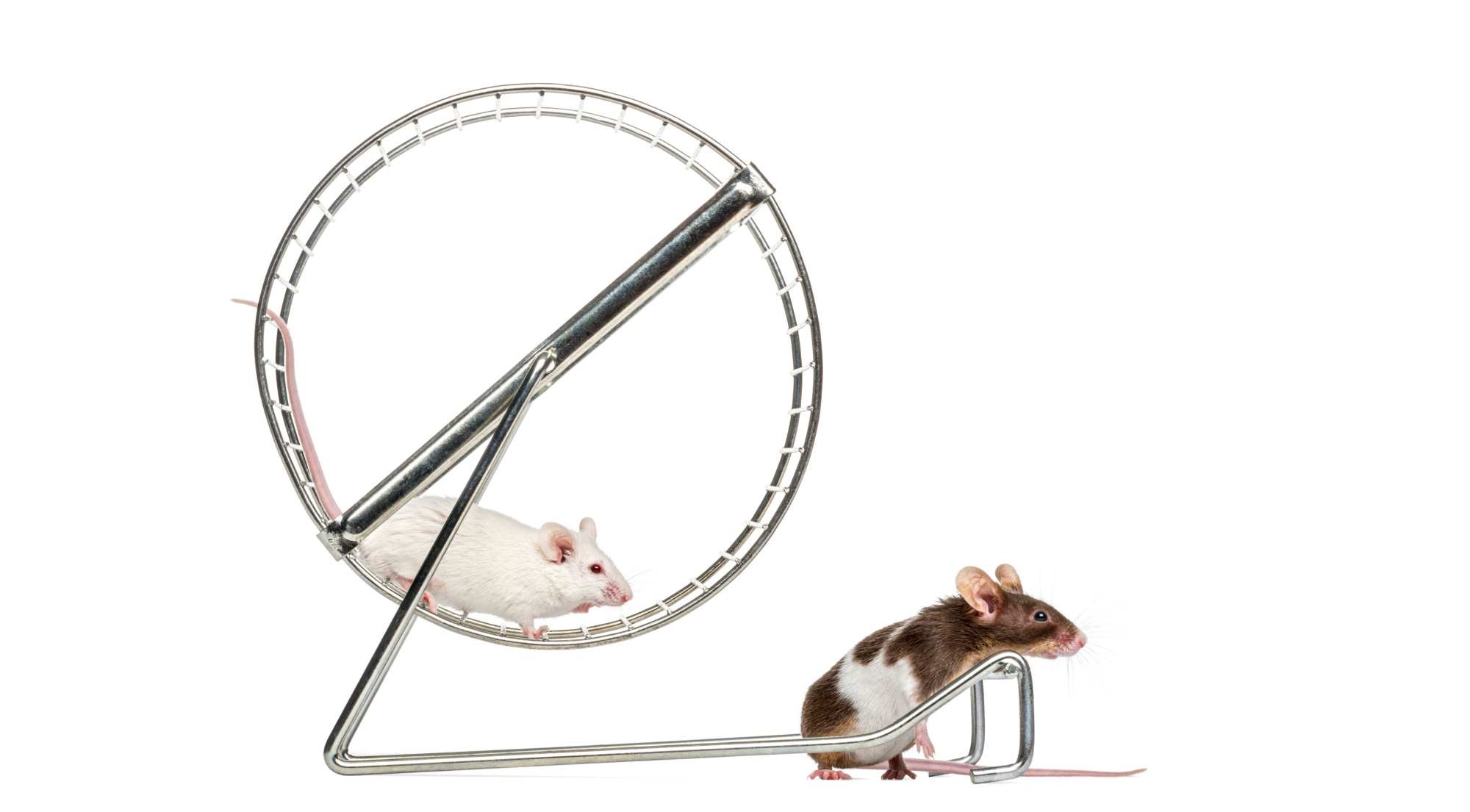
The benefits of physical exercise may depend on certain brain changes, according to a study in mice

Various studies have shown that exercise benefits the brain. Now, an international team has studied in mice how physical activity affects the brain and how these changes influence the effects of exercise. The research, published in Neuron, has shown that physical activity causes brain changes in a region of the hypothalamus involved in how the body uses energy and in regulating blood sugar. If these neurons were blocked immediately after exercise, the animals showed no improvement in endurance or metabolism with training. The authors suggest that activating these neurons may help the body recover faster, allowing other parts, such as the muscles, lungs, and heart, to adapt more quickly to more intense workouts.

0