sport

sport

sport

The benefits of physical exercise may depend on certain brain changes, according to a study in mice

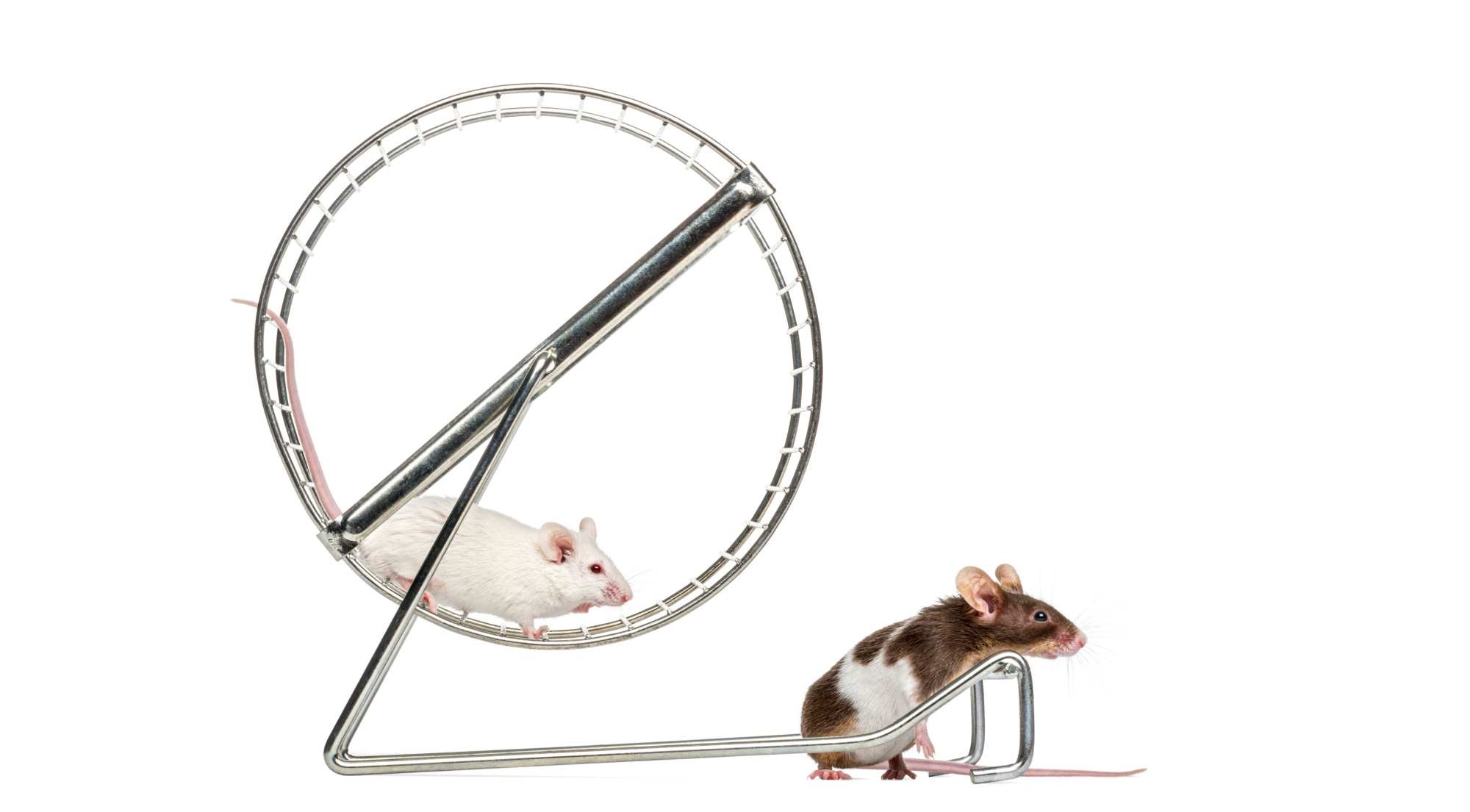
Various studies have shown that exercise benefits the brain. Now, an international team has studied in mice how physical activity affects the brain and how these changes influence the effects of exercise. The research, published in Neuron, has shown that physical activity causes brain changes in a region of the hypothalamus involved in how the body uses energy and in regulating blood sugar. If these neurons were blocked immediately after exercise, the animals showed no improvement in endurance or metabolism with training. The authors suggest that activating these neurons may help the body recover faster, allowing other parts, such as the muscles, lungs, and heart, to adapt more quickly to more intense workouts.

0

A review finds no differences in physical performance between trans women and cis women, even though they have more muscle mass

The inclusion of transgender women in women's sports categories is a controversial decision. To compare body composition and physical fitness between transgender and cisgender women, a team from Brazil has conducted a meta-analysis encompassing 52 studies and 6,485 individuals, analysing these values before and after gender-affirming hormone therapy. Although trans women showed greater lean mass—an indicator of muscle mass—there were no significant differences in upper or lower body strength, nor in maximum oxygen consumption, compared to cis women one to three years after hormone therapy. ‘The current evidence is, for the most part, of low certainty and heterogeneous quality, but it does not support theories about the inherent athletic advantages of trans women over cis women,’ say the authors of the study, published in the British Journal of Sports Medicine.

0

Physical exercise is similar to psychological therapy for the treatment of depression

Physical exercise of any kind shows similar benefits to psychological therapy for the treatment of depression in adults. This is one of the conclusions of a new systematic review by the Cochrane Collaboration based on data from almost 5,000 people, which is the latest update of a review first published in 2008. With regard to antidepressants, the research shows a similar effect, but the evidence is somewhat more limited. The authors point to the lack of robustness in terms of long-term treatment with physical exercise. 

0

Transplanting faeces from elite athletes improves metabolic parameters in mice

A team from France has studied the intestinal microbiota of elite athletes with high aerobic capacity (footballers and cyclists). The data indicates that they have less bacterial diversity and that the transplantation of faeces from athletes to mice improves metabolic parameters such as insulin sensitivity and glycogen deposits in the muscles. The results are published in the journal Cell Reports.

0

The myelin content of the brain decreases after running a marathon

In marathon runners, the myelin content of specific regions of the brain is reversibly reduced, according to a study carried out in the Basque Country. This observation is consistent with animal evidence suggesting that myelin lipids - a substance that surrounds neurons - can act as energy reserves in extreme metabolic conditions, as detailed by the authors in Nature Metabolism. The analysis is based on magnetic resonance imaging of eight men and two women before and after running a marathon. According to the study, the myelin content was fully recovered two months after the race.

0

Most sites in North America that will host the 2026 World Cup are at high risk of extreme heat

Ten of the 16 stadiums that will host the 2026 FIFA Men's World Cup in Mexico, the United States and Canada are at ‘very high’ risk of extreme heat stress conditions, according to a study published in Scientific Reports. Using data from the Copernicus Climate Change Service, the analysis concludes that the risk will be highest at stadiums in Arlington, Houston (USA) and Monterrey (Mexico).

0

A soccer project in prisons improves the behaviour of inmates and their chances of reintegration

The Twinning project is a UK-based initiative that organises soccer-based programmes, with the collaboration of professional clubs such as some Premier League clubs, to improve the mental and physical health of prisoners. Research has studied the behaviour of more than 670 of these participants and a group that did not participate, as well as collecting data related to the possible reintegration of those who were in this programme. According to the authors, who publish their research in the journal Nature Human Behaviour, ‘the results indicate that social bonding is associated with better behaviour in prison and a greater willingness of host communities to support reintegration efforts’.

0

Fans every four years: Why do we love the Olympics even if we don't watch sports the rest of the time?

Many people don't follow sports events, yet they enjoy the Olympics. Unlike the dominant men's soccer industry, the Olympics offer a wide variety of events for all tastes, with greater visibility of women's sports and a context that makes it easier to connect with the competition narrative, based on an internationalist and humanist spirit. They are proof that sports appeal to everyone because play is part of human essence.

1