Miquel Llorente

Miquel Llorente

Miquel Llorente
Position

Head of the Department of Psychology at the University of Girona, associate professor Serra Húnter and principal investigator of the Comparative Minds research group
 

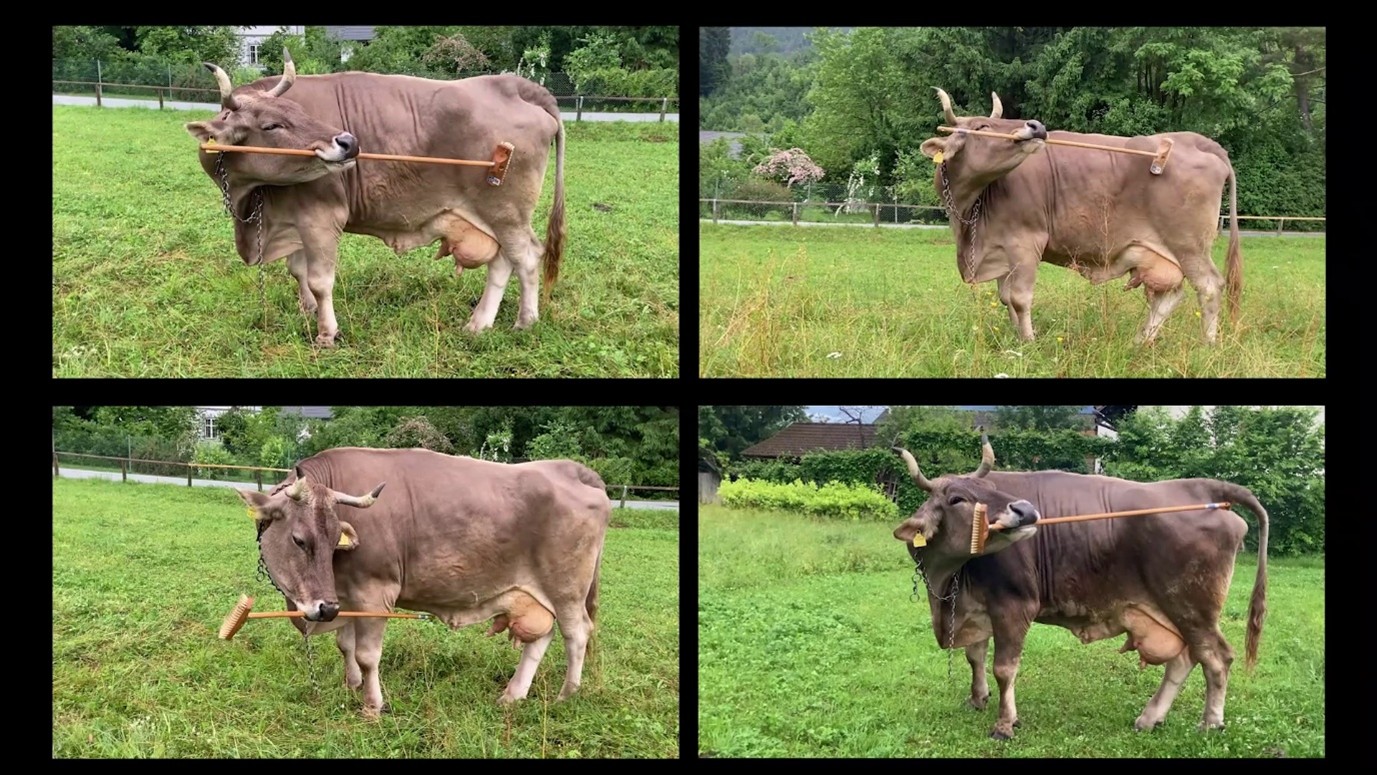
It is demonstrated for the first time that a cow can use tools

Two researchers from the University of Veterinary Medicine Vienna (Austria), one of them Spanish, have described for the first time the flexible use of tools in a cow, which, according to the authors, suggests that the cognitive abilities of cattle have been underestimated. The animal, named Veronika, was kept as a pet by an Austrian farmer, who observed that she occasionally picked up branches and used them to scratch herself. After several experiments, the researchers found that she could use different parts of the same tool for different purposes and apply different techniques depending on its function and the body region. Beyond humans, this has only been convincingly documented in chimpanzees, the researchers indicate. “The findings highlight how assumptions about cattle intelligence can reflect gaps in observation rather than true cognitive limitations,” they state. The results are published in Current Biology. 

0

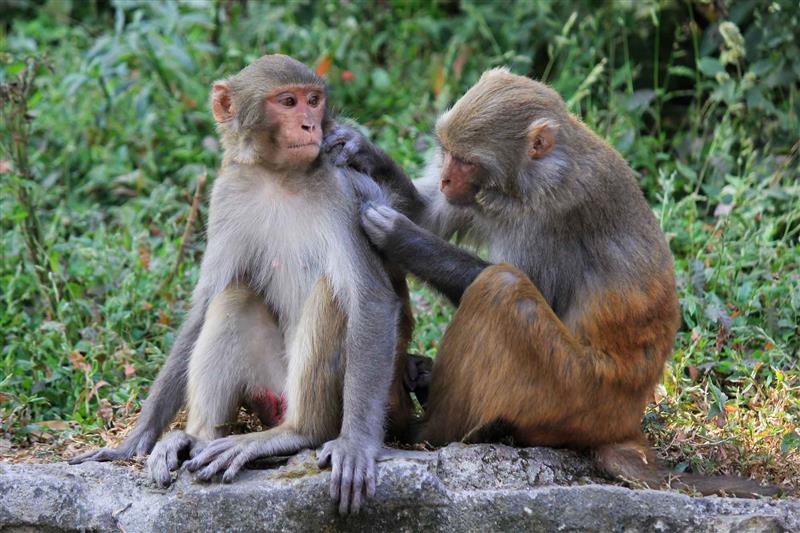
Two macaques can tap to the beat of music in an experimental study

Gilberto and Tomás are two macaques trained to synchronise their movements with the rhythm of a metronome, who were also able to tap to a musical beat, according to a study published in Science. This result contradicts the vocal learning hypothesis, according to which only species capable of complex vocalisations can perceive and follow a musical rhythm.

0

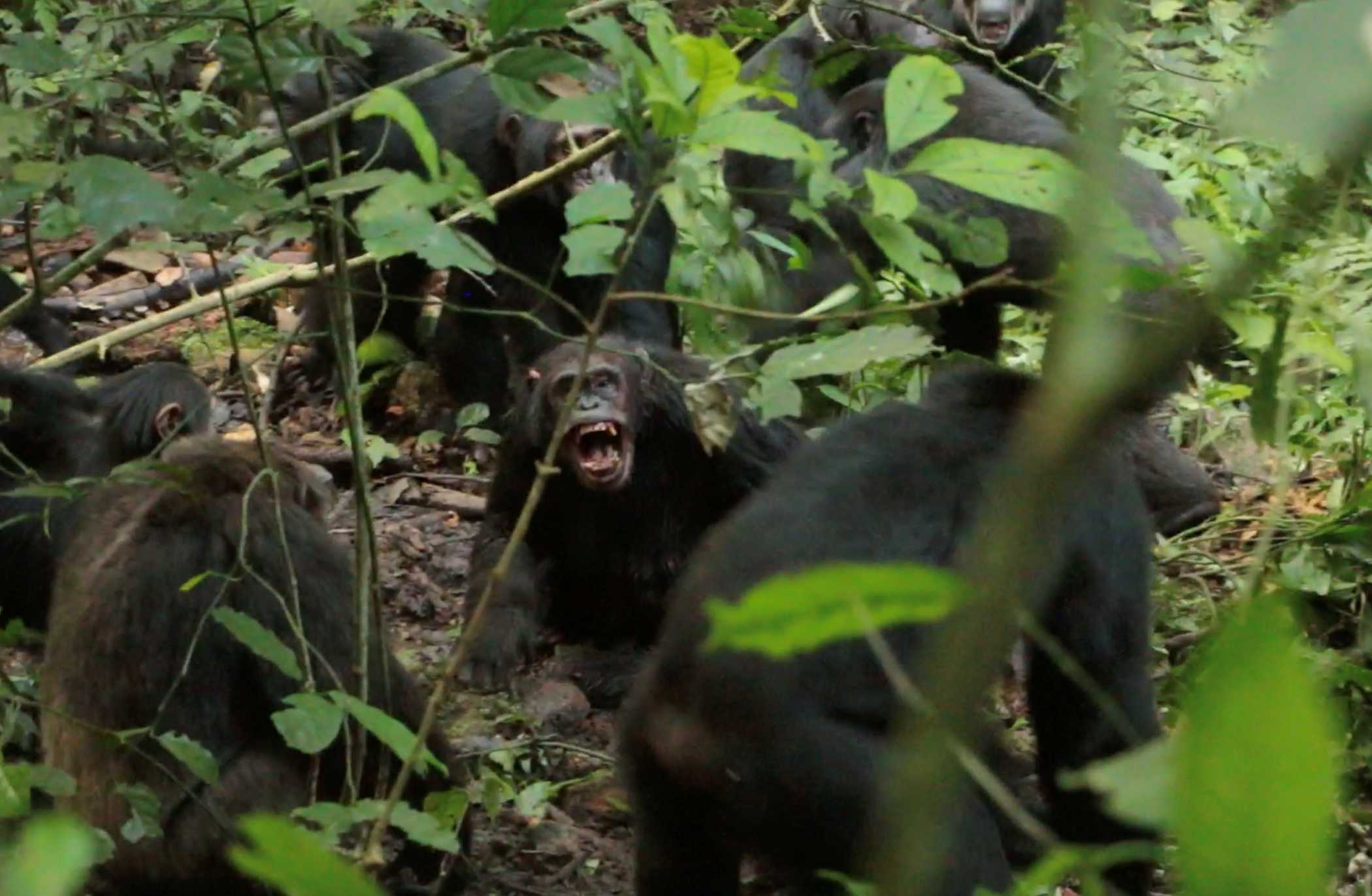
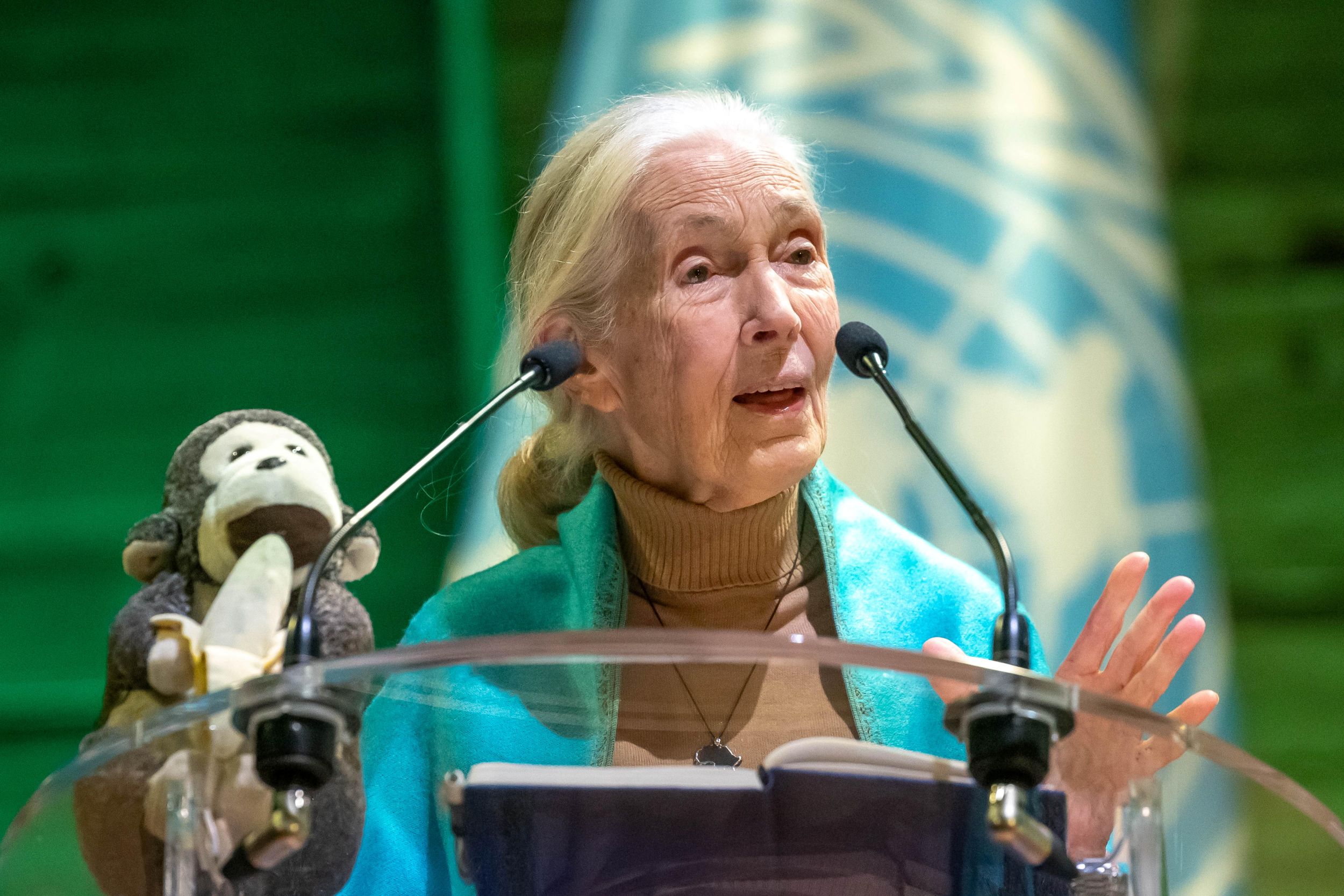
Jane Goodall, icon of primatology and environmentalism, dies

English ethologist Jane Goodall died on Wednesday at the age of 91 in California (United States), where she was participating in a lecture tour. This was announced by the Jane Goodall Institute on its social media. ‘Dr Goodall's discoveries as an ethologist revolutionised science and she was a tireless advocate for the protection and restoration of our natural world,’ the statement said. Her observations and analysis of chimpanzees in the wild over decades were a milestone in primatology.


0

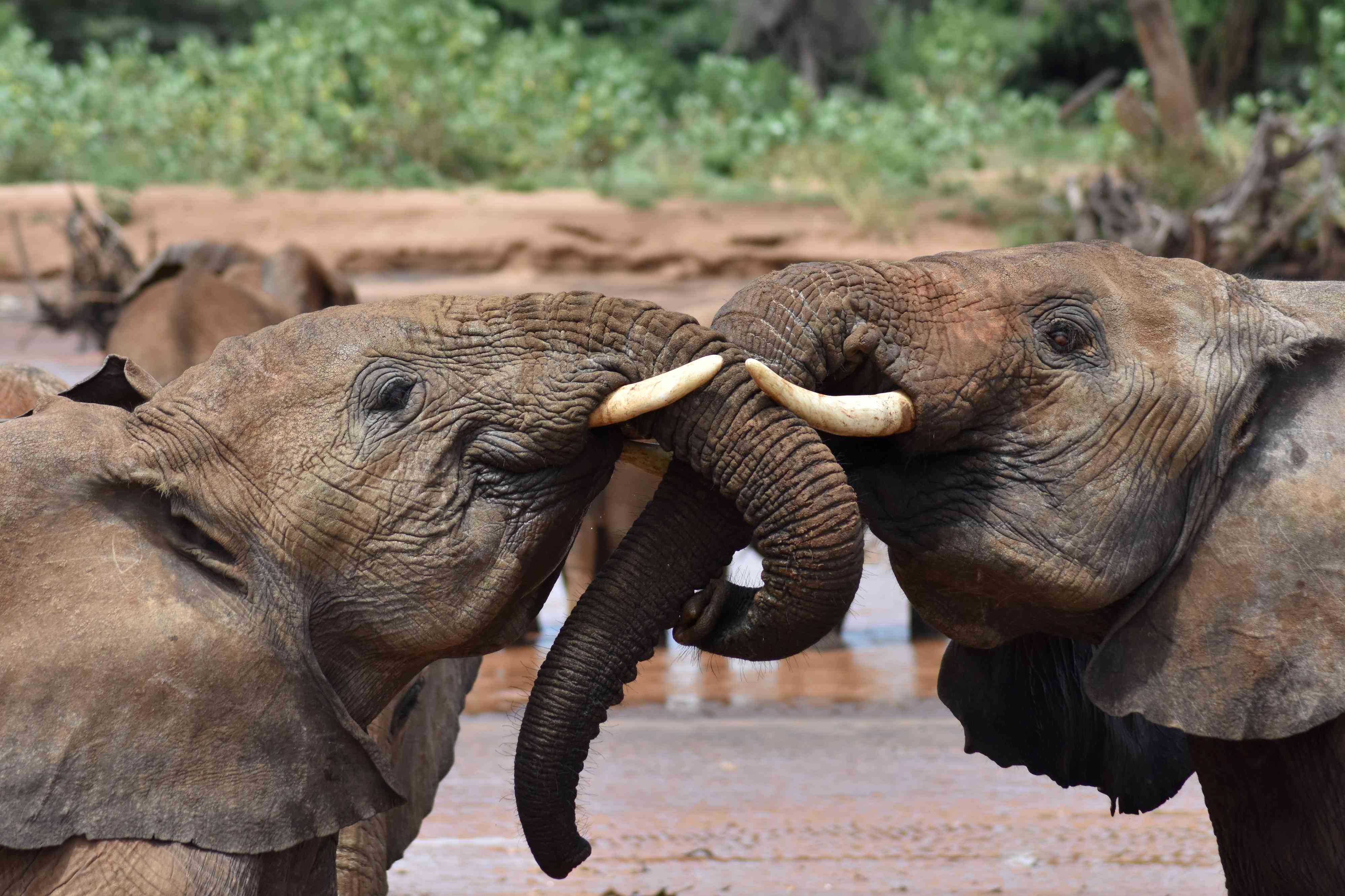
African elephants address each other with name-like calls, study finds African elephants address each other with name-like calls, study finds

Some animal species, such as parrots or dolphins, appear to address each other by imitating sounds from the receiver. However, animals addressing each other by individual names has only been observed in humans. Now, an international team of researchers says that African elephants can communicate through name-like calls and do not appear to rely on imitation to do so. According to the authors, who publish their results in the journal Nature Ecology & Evolution, the finding would imply that they have some degree of symbolic thinking. 

0

Reaction: genomic sequencing of hundreds of primates reveals clues to identify disease-causing mutations such as cancer

A special issue published in the journals Science and Science Advances shares for the first time the genomes of hundreds of primates, representing 86% of known genera. One of the papers -co-led by the Institute of Evolutionary Biology and the Pompeu Fabra University- analyzes the relationship between the genes of these animals and the risk of suffering from certain diseases such as cancer in humans.

0

Reaction to study linking climate change with the descent to the ground of arboreal primates

An international study published in the journal PNAS has associated deforestation and climate change with different species of monkeys and lemurs that usually live in trees spending more time on the ground. This implies that they would be exposed to a greater number of hazards. The research has taken place in 47 species in different parts of the Americas and Madagascar.

0