Clínico San Carlos Hospital
If you are the contact person for this centre and you wish to make any changes, please contact us.
Acute Cardiac Care Unit Coordinator. Cardiovascular Institute. Hospital Clínico San Carlos. Madrid; Associate Professor of Medicine at Complutense University of Madrid; and President of the Association of Ischemic Heart Disease and Acute Cardiac Care of the Spanish Society of Cardiology
Head of the Neurology Section and coordinator of the Multiple Sclerosis Unit at the Hospital Clínico San Carlos.
Head of the Advanced Development Group on Arrhythmia Mechanisms and Therapies at the National Centre for Cardiovascular Research (CNIC), cardiologist at the Health Research Institute of the San Carlos Clinical Hospital and member of CIBERCV
Specialist in Clinical Psychology at the Institute of Psychiatry and Mental Health of the Hospital Clínico San Carlos and member of the Spanish Society of Clinical Psychology ANPIR
Head of Cardiology at San Carlos Clinical Hospital and professor at Complutense University of Madrid
professor of Obstetrics and Gynaecology at the Universidad Complutense de Madrid, ex-president of the Spanish Association for the Study of Menopause (AEEM)

Polycystic ovary syndrome (PCOS) has recently been renamed polyendocrine metabolic ovarian syndrome (PMOS), to emphasise its metabolic and endocrine dimensions, rather than viewing it solely as a gynaecological condition. A study involving more than 400,000 women has linked PPOS to an increased incidence of cardiovascular events, specifically atherosclerotic cardiovascular disease. This association was observed independently of traditional cardiovascular risk factors such as diabetes, dyslipidaemia, obesity, and hypertension, suggesting that these factors alone do not fully explain the relationship. The study included women aged 18–50 years with PMOS and drew data from the Optum Clinformatics Data Mart patient database. The findings were published in The Lancet Obstetrics, Gynaecology & Women’s Health.
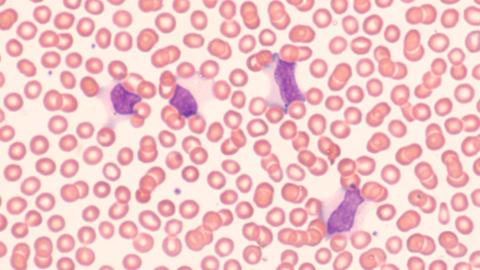
Multiple sclerosis is an autoimmune disease whose cause was a mystery for a long time, but recent studies have strengthened its link to the Epstein-Barr virus, the cause of mononucleosis, or the kissing disease. The challenge now is to define the exact mechanisms involved, which would help in developing therapies. An international team has identified certain components of the virus that tend to trigger a response in patients, which helps explain the effectiveness of some current treatments and could be helpful in developing vaccines and/or antiviral drugs against the disease. The study is published in Science Translational Medicine.

A team from China used data from over 17,000 people in the UK Biobank to analyze the relationship between physical activity and cardiovascular risk. Their results indicate that the current minimum recommendation of 150 minutes of moderate-to-vigorous physical activity per week was associated with an 8-9% risk reduction. However, increasing the time to 560-610 minutes was linked to a decrease of more than 30%. According to the authors, who published the study in the British Journal of Sports Medicine, the current recommendations offer universal but modest protection, and optimal benefits would be obtained with substantially higher levels of activity.

A team in China has studied the ability of a test to detect the human papillomavirus (HPV)—responsible for the vast majority of cervical cancers—in menstrual blood from more than 3,000 women. The results indicate that the test is comparable to current screening performed in medical offices. According to the researchers, “Using menstrual blood for HPV testing is practical and non-invasive, allowing women to collect samples at home and thus potentially offering a practical way to expand access to screening.” The study is published in The BMJ.

A higher body mass index (BMI) correlates—regardless of age at menarche—with a lower risk of breast cancer, according to a meta-analysis based on genetic data from more than 56,000 women. The study, published in Science Advances, seeks to clarify previous seemingly contradictory findings: more body fat (measured by BMI) before puberty could have a protective effect against breast cancer; however, a higher BMI is also linked to earlier menarche, which is associated with an increased risk of developing this disease. The authors indicate that the prepubertal stage is a ‘critical window’ in which adiposity has the greatest influence on future breast cancer risk.
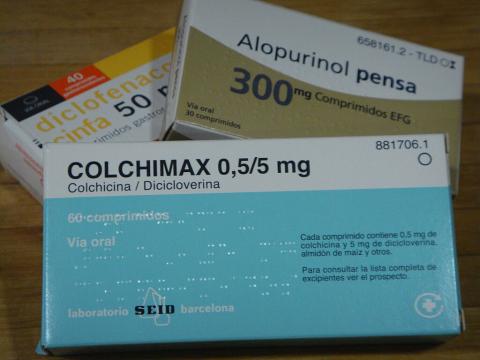
A review conducted by the Cochrane Collaboration analyzed the effects of colchicine—a medication commonly used to treat some rheumatic diseases—on people who had already experienced a cardiovascular event. The review included 12 clinical trials with more than 23,000 patients and concluded that colchicine reduces the risk of stroke or heart attack in these individuals. Overall, for every 1,000 people treated, there were 9 fewer heart attacks and 8 fewer strokes compared to those who did not take the medication, with no apparent serious side effects.

A meta-analysis concludes that the use of beta-blockers is not necessary in patients who have suffered a heart attack but have normal cardiac function. The research, coordinated in Spain by the CNIC, brings together data from five clinical trials and 17,801 patients. One of these trials, REBOOT, already showed that patients who did not have reduced cardiac function after a heart attack did not benefit from treatment with beta blockers. According to this recent meta-analysis, published in the New England Journal of Medicine and presented at the American Heart Association Congress in New Orleans (USA), the use of these drugs does not reduce mortality, reinfarction or heart failure in this group of patients.
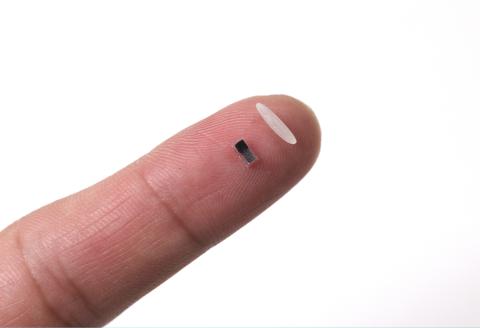
An international team has created a tiny temporary pacemaker, smaller than a grain of rice (1.8 mm × 3.5 mm × 1 mm). The device is resorbable by the body, achieves effective pacing in human and various animal cardiac models, and could be implanted less invasively than existing pacemakers, according to a study published in Nature.

A study led by researchers in Canada has analysed the relationship between perimenopausal symptoms and later cognitive and behavioural problems in nearly 900 women. Their findings are that those with more symptoms were more at risk of cognitive problems and dementia later in life. The results are published in the journal Plos One.

In a group of people at high cardiovascular risk, low to moderate wine consumption was associated with fewer cardiovascular events (cardiovascular death, myocardial infarction, stroke or heart failure), according to a study. The analysis uses urinary concentrations of tartaric acid, a substance found in grapes and grape derivatives, as a biomarker of wine consumption. It finds that consuming between three and 35 glasses per month was associated with fewer cardiovascular events than in people who consumed fewer than three or more than 35 glasses. The study, published in the European Heart Journal, included more than 1,200 participants from Spain's PREDIMED study with an average age of 68 years.