Pyrenean Institute of Ecology (CSIC)
If you are the contact person for this centre and you wish to make any changes, please contact us.
Researcher at the Pyrenean Institute of Ecology (IPE)
Research Professor at the Pyrenean Institute of Ecology (CSIC)
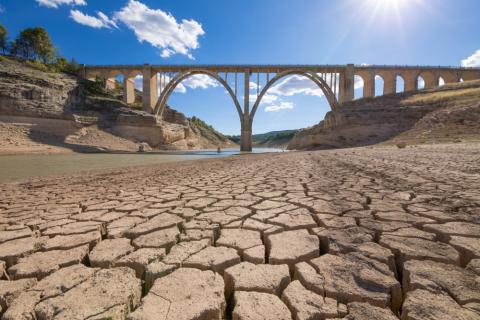
According to a report published by the World Meteorological Organisation, 2025 has been one of the driest years in more than three decades for rivers worldwide. Global water reserves have been declining for more than 10 years, and this is the fourth consecutive year in which glacier losses have been recorded across all regions. Although rainfall in the Iberian Peninsula was above normal in the summer, the west and north-west of Spain experienced a reduction in rainfall of up to 75 per cent below average.
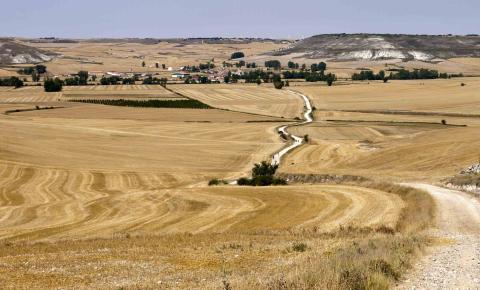
Next Monday, 17 August, COP17 on desertification gets underway in Ulaanbaatar (Mongolia). This is the first of three environmental summits to be held this year. The next event will be in Yerevan (Armenia), where the COP17 on biodiversity will be held from 19 to 30 October, and the year will conclude with the COP31 on climate change, which will take place in Antalya (Turkey) from 9 to 20 November and will be co-chaired by Australia. Why has there been no proposal for a single summit encompassing all three? Would a climate summit held every two years, like those on biodiversity and desertification, be more appropriate? With the United States out of the picture, who is leading them? To answer these and other questions, SMC Spain organised a briefing session with experts who have extensive experience of this type of summit.
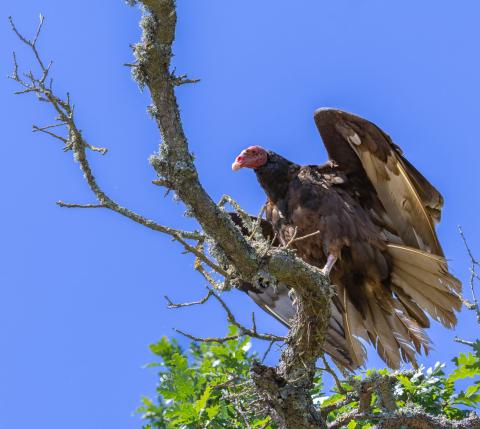
A team from Stanford University (USA) has analysed the conservation status of 1,376 species of scavenger animals. The results, published in the journal PNAS, indicate that 36% of them are threatened or in decline, especially large species and obligate scavengers, which depend exclusively on carrion for food. In contrast, the number of small and facultative scavengers, such as rodents, for which carrion is not their only source of food, is increasing. According to the authors, this ‘could increase the risks of diseases that large scavengers have helped to mitigate’.
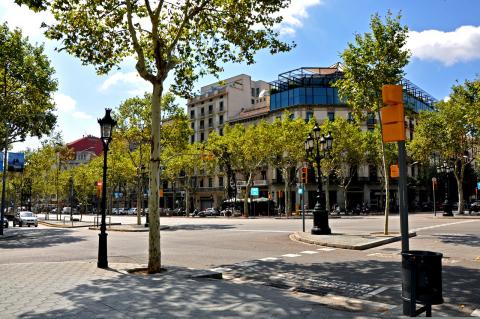
International research on more than 3,000 tree and shrub species in 164 cities -including Barcelona, Valencia and Santa Cruz de Tenerife- reveals that up to two-thirds of urban tree species may already be experiencing climatic conditions that exceed their potential climate tolerance. The study is published in Nature Climate Change.