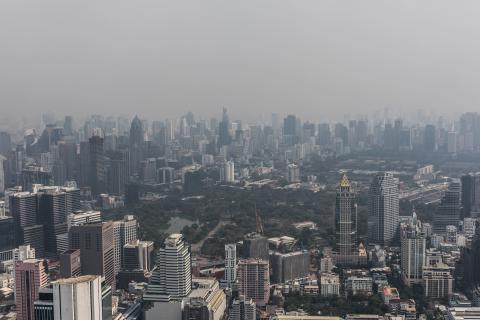
Exposure of babies to environmental ozone is associated with asthma between the ages of four and six
Exposure to mild ozone air pollution during the first two years of life is linked to the development of asthma and wheezing in children between the ages of four and six, both individually and in combination with nitrogen dioxide and fine particles. This relationship was not found in children under eight or nine years old, according to a study published in JAMA Network Open. The epidemiological study is based on data from more than 1,000 children in the U.S.

José Gregorio - Ozono
José Gregorio Soto Campos
Director of the Pneumology and Allergy Clinical Management Unit of the Hospital de Jerez
It is an interesting and well-designed study on the epidemiological link between postnatal exposure to ozone and asthma in the U.S. This study corroborates what we already knew: there are specific pollutants capable of inducing airway inflammation (ozone, nitrogen dioxide, and particles smaller than 2.5 micrometers), bronchial hyperreactivity (ozone and nitrogen dioxide), and oxidative stress (ozone, nitrogen dioxide, and particles smaller than 2.5 micrometers), which are associated with the onset of exacerbations or even the initiation of asthma – although the mechanisms behind this are not yet clarified.
It has been proposed that exposure to atmospheric pollutants may amplify sensitization to aeroallergens, as there is evidence of this response to ozone, nitrogen dioxide, sulfur dioxide, and diesel combustion particles. Several mechanisms may be involved, including: an increase in allergen deposition in the airway due to particle transport; an increase in epithelial permeability due to oxidative stress; an increase in antigenicity as proteins undergo chemical modifications when exposed to pollutants; or even an adjuvant effect promoted by the action of diesel combustion particles on the human respiratory epithelium.
- Research article
- Peer reviewed
- Observational study
- People