What are food supplements?
“Food supplements are food products that contain concentrated amounts of nutrients such as vitamins, minerals, proteins or fibre, or any other substance — including plant extracts or probiotics (microorganisms) — with potential beneficial effects on health,” defines Iciar Astiasarán, professor of Nutrition and Food Science and Director of the Centre for Nutrition Research at the University of Navarra.
They are marketed in measured doses in the form of tablets, capsules or liquids, “which allow them to be taken in unit quantities and thus enable intake to be controlled,” Astiasarán adds to SMC Spain. Despite being sold in doses intended to improve health, they are not considered medicines nor regulated as such, but rather as food.
Are food supplements and dietary supplements the same thing?
No, although the terms are often confused. According to the Spanish Agency for Food Safety and Nutrition (AESAN), the legal term used in Spain is “food supplement” (complemento alimenticio), rather than other terms such as “dietary supplement” or “nutritional supplement”.
“European legislation refers to them as food supplements, and in its translation the term ‘complemento alimenticio’ has been adopted. From a legal standpoint, the correct term would be ‘complement’, although in everyday language we refer to them as either complements or supplements,” Astiasarán notes.
“Supplements are legally associated with addressing critical deficiencies or nutritional gaps,” Laura Esquius, lecturer in Health Sciences at the Universitat Oberta de Catalunya, tells SMC Spain. Creatine used by athletes is an example of a supplement. In contrast, food supplements are intended to optimise our health, she adds. Esquius points out that in the sports context the term “supplement” is used due to the influence of US marketing “to convey an idea of strength and the need to compensate for the extreme demands of training, thereby distinguishing it from the more gentle or preventive approach of general wellbeing.”
Why are food supplements so popular at the moment?
The consumption of food supplements has increased significantly in recent years. According to a 2025 survey by the Spanish Consumer Organisation (OCU), 58% of respondents had taken a supplement in the previous 12 months, compared with 42% in 2021. Another survey by the Spanish Food and Drink Industry Federation (FIAB) in 2023 put the proportion of users as high as 75%. That same year, turnover exceeded €2 billion.
What could be driving this upward trend? On the one hand, health and physical appearance are a growing concern. The annual Who Cares, Who Does? report by Kantar in 2025 showed that half of Spaniards identify body weight as a “significant issue”, followed by sleep, stress and anxiety. This is particularly true among young people. According to the Youth, Health and Wellbeing Barometer 2025 by Fad Juventud and the Mutua Madrileña Foundation, more than 70% of people aged 15 to 29 are very or fairly concerned about their health, and around 36% about their appearance. More than half pay close or very close attention to their diet.
Xavier Medina, professor of Health Sciences at the Universitat Oberta de Catalunya, tells SMC Spain that there is a social trend towards achieving bodily wellbeing by correcting physiological imbalances: “It seems that this can be supplemented from outside, through self-diagnosing possible deficiencies based on perceived symptoms that may or may not be real.”
It is a big business, with powerful marketing strategies behind it
Elena Espeitx
On the other hand, there has been extensive research into the health benefits of countless substances found in foods and plants, and there are numerous scientific articles highlighting their positive effects, with healthcare professionals increasingly prescribing supplements. Three out of four primary care doctors in Spain recommend food supplements to their patients, according to a study carried out by the Spanish Association of Manufacturers and Distributors of Food Supplements (Afepadi) in collaboration with IQVIA and presented in 2025.
“It is a big business, with powerful marketing strategies behind it. That is why there is a lot of innovation — although often only apparent — and the range of products has expanded far beyond traditional multivitamins,” says Elena Espeitx, professor at the University of Zaragoza in the Department of Psychology and Sociology, where one of her research areas is eating behaviour. Speaking to SMC Spain, Espeitx points to social media and the rise of influencers “who give advice on every topic and propose solutions to any problem in order to gain followers. From intermittent fasting to miraculous goji berries.”
When is their use justified?
Food supplements are not strictly necessary, since “a balanced and adequate diet provides all the nutrients needed for the normal development and maintenance of a healthy body,” according to Royal Decree 1487/2009 on food supplements. However, the regulation also notes that “this ideal situation does not occur in practice for all nutrients or for all population groups.”
In this sense, supplements can be useful “in certain situations where the body requires extra support from substances that help improve some physiological processes,” says Astiasarán. The expert mentions illness, or specific stages of life such as periods of stress, intense physical exercise or menopause. “Ideally, food supplements should be taken on the recommendation and under the supervision of a healthcare professional, a doctor, pharmacist or nutritionist,” she adds.
Medina states: “From my point of view, supplements are used to alleviate consumers’ perceived lack of certain elements, or to increase a person’s sense of wellbeing". "I emphasise the ‘perceptions’ aspect, because in most cases — unless they are prescribed by a professional — they tend to act primarily at this level, rather than having a physiological effect,” he adds.
How are they regulated?
In the European Union, food supplements are regulated as food under Regulation (EC) No 178/2002. At national level, the marketing of food supplements in Spain is governed by Royal Decree 1487/2009, and its subsequent amendment, Royal Decree 130/2018.
Food supplements therefore follow the same rules on official controls as other foods, based on the potential risk they may pose to health. The responsibility for complying with this legislation lies with the companies that place these products on the market.
A distinctive feature of these products is that they must be notified to the General Health Register of Food and Food Businesses (RGSEAA), although they are not subject to any specific authorisation process or any formal evaluation of their effectiveness. “In Spain there are currently more than 40,000 registered food supplements,” says Astiasarán. They can be consulted here.
In Spain there are currently more than 40,000 registered food supplements
Iciar Astiasarán
On the other hand, according to AESAN, “the labelling, presentation and advertising of food supplements must not include any claim suggesting that a balanced and varied diet does not provide adequate quantities of nutrients in general on its own. Nor must they attribute to food supplements the property of preventing, treating or curing a disease, nor refer in any way to such properties.”
However, they may be labelled and marketed in line with nutritional and health claims — those that link a food or one of its components with health — as established in the European Union since 2006 under Regulation (EC) No 1924/2006 and its subsequent amendments and extensions.
Is there scientific evidence that they work?
The body of research into the beneficial properties of these substances is increasingly broad, although in many cases marketing plays a significant role. “Not all of these substances are effective; sometimes you are literally wasting your money, but in other cases they can help improve quality of life,” says Astiasarán.
In order for these products to be allowed to claim health benefits, the European Union requires that such claims be supported by sufficiently robust scientific evidence. According to Astiasarán, this must include studies carried out by different research groups, and must also clarify the mechanism behind the beneficial effect, as well as the required dosage and duration of intake needed to achieve benefits.
Below, we highlight the most popular substances and the benefits they have demonstrated, based on the compilation of nutritional and health claims prepared by AESAN, although its benefits may vary depending on the mode of intake (through foods rather than supplements):
- Magnesium. Magnesium helps reduce tiredness and fatigue, contributes to electrolyte balance, to normal energy-yielding metabolism, to normal functioning of the nervous system and muscles, and to protein synthesis. It also supports normal psychological function and the maintenance of normal bones and teeth.
- Omega-3. Omega-3 fatty acids — EPA (eicosapentaenoic acid) and DHA (docosahexaenoic acid) — contribute to the maintenance of normal blood pressure, normal blood triglyceride levels, and normal heart function. They also support the normal development of the eyes and brain of the foetus and breastfed infants.
- Vitamin D. Vitamin D contributes to the normal absorption and utilisation of calcium and phosphorus, to the maintenance of normal blood calcium levels, and to the maintenance of bones, teeth, muscle function and the immune system. It helps reduce the risk of falls associated with muscle weakness and instability in people over 60, which is a risk factor for fractures. It also contributes to normal cell division. In addition, according to major clinical guidelines, vitamin D supplementation of 400 IU/day is recommended for infants under one year who are breastfed or who do not meet the recommended daily intake through infant formula. In this case, vitamin D acts as a supplement.
- Collagen. The evidence is controversial, as once ingested the body breaks it down into amino acids like any other protein. “There is no guarantee that that collagen will go straight to your knee,” says Esquius. There are no authorised health claims for collagen in the European Union — in fact, such claims have been rejected — although it is often combined with vitamin C, which contributes to normal collagen formation for the normal function of blood vessels, bones, cartilage, skin, gums and teeth. It is commonly marketed together with this vitamin, which is what allows some commercial products to claim associated benefits.
- Ashwagandha. There are studies on the potential effects of this root as an adaptogen — a substance that increases the body’s resistance to adverse situations — and it is considered one of the plants with the strongest evidence for reducing cortisol and improving resilience to temporary anxiety, according to Esquius. However, there are no authorised health claims in the European Union, and it is under scrutiny due to potential risks such as liver damage or effects during pregnancy. This has led to its ban in Denmark, although the decision remains controversial.
- Multivitamins. Because these formulations include several vitamins or minerals, there is a greater risk of exceeding recommended daily levels of some of the substances involved. In such cases, the body eliminates them through urine, or they may accumulate, as happens with fat-soluble vitamins. “My personal advice is to stop taking multivitamins, whether in tablets or gummies. Eat a healthy, varied diet rich in fruit and vegetables (the main natural source of vitamins and minerals), and do not spend your money on nutritional supplements,” said Pilar Guallar Castillón, professor in the Department of Preventive Medicine and Public Health at the Autonomous University of Madrid, to SMC Spain.
As for other popular supplements such as melatonin — which can be a supplement when prescribed by a healthcare professional in cases of deficiency — or creatine — when used as a supplement rather than by elite athletes — we have published specific articles and analyses on these topics at SMC Spain that you can consult.
Can they cure diseases?
Food supplements “will never have a therapeutic or curative effect; that is, they are not medicines,” emphasises Astiasarán. As noted above, it is not legal to attribute such properties to them, and their role is limited to potential beneficial effects on health.
Are there any health risks?
Natural does not mean safe. The body has limits for vitamins, minerals and other substances, and food supplements are dosed with those limits in mind. If recommended amounts are exceeded, there may be health risks.
The AESAN warns that “many plant species contain active substances that may not be safe for some people or when consumed in high quantities, as can happen with certain concentrated extracts.”
Particular caution is needed for people with underlying health conditions, those taking medication, pregnant women and children. For example, warfarin (a prescribed anticoagulant), ginkgo biloba (a plant-based supplement), aspirin and vitamin E (a supplement) can all thin the blood, so taking any of these together may increase the risk of internal bleeding, according to the US Food and Drug Administration (FDA).
There may also be certain risks associated with supplements purchased from unknown sources, such as those bought online. AESAN has an alert section on food supplements that can be consulted here.
Espeitx warns that “from the consumers’ perspective, there is a coexistence of a very reasonable concern for health and physical condition with individuals who show excessive concern, which can lead to maladaptive and even harmful behaviours.”
Where can they be bought?
The main sales channels include, as summarised by Esquius:
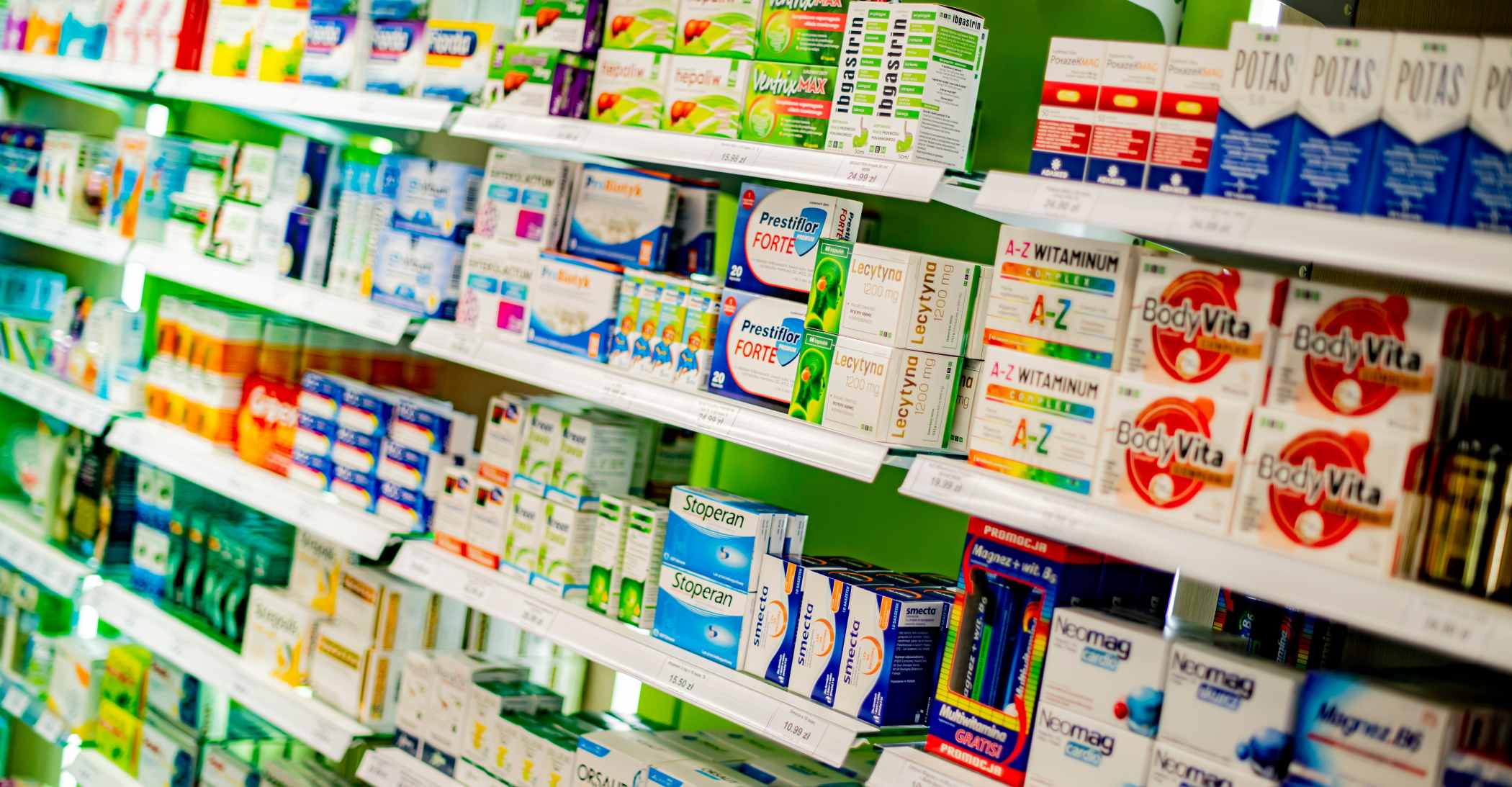
- Pharmacies and chemists’ shops. These are the most trusted outlets, as they offer advice from a healthcare professional.
- Herbal shops and specialised stores. Traditionally the home of ‘natural’ supplements (collagen, magnesium, plants such as ashwagandha).
- Large retail stores and supermarkets. Dietary sections typically stock the most common products (multivitamins, omega-3).
- Online shops and marketplaces. This is the fastest-growing channel, but also the one that requires the greatest caution from consumers.