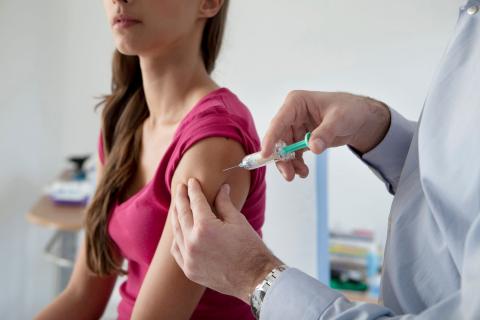
High-income countries could eliminate cervical cancer by 2048
Given current vaccination and cervical cancer screening campaigns, high-income countries could eliminate this disease by around 2048, according to a study published in The Lancet. However, the incidence of this cancer in low- and middle-income countries would decline by only 23% over this period if current trends continue, the article states. Elimination is defined as an incidence of fewer than four cases per 100,000 women.
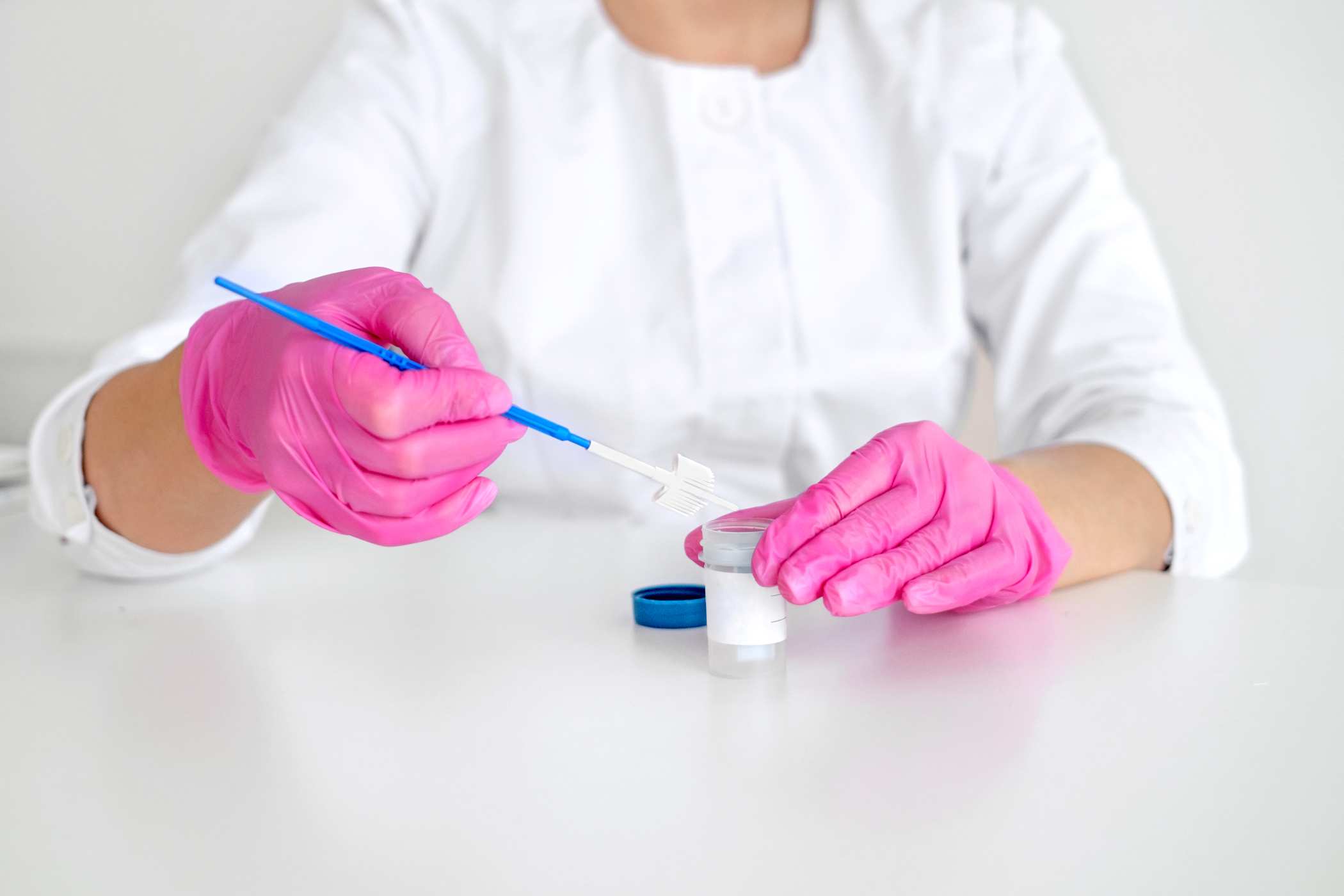
Silvia de Sanjosé - cancer uterino
Silvia de Sanjosé
Researcher at ISGlobal and consultant for Médecins Sans Frontières (MSF)
An international team led by Brisson of the University of Laval Research Center (Quebec, Canada), with the participation of researcher Laia Bruni of the Catalan Institute of Oncology, has reported on the persistence of global health inequalities in the prevention of cervical cancer.
In 2020, the WHO used models developed by Brisson and his team, which predicted the elimination of this cancer within 100 years if three goals were met: vaccinating 90% of girls under 15, screening 70% of women with an HPV [human papillomavirus] test, and treating 90% of those who required it.
By applying these same long-term models, incorporating the advances observed since then, the authors conclude that high-income countries are effectively implementing these measures, which will allow them to reach such low incidence levels that elimination could be achieved in just a few years.
In contrast, low-resource countries are progressing more slowly, with limited information systems and insufficient investment, which is widening inequalities in a disease that is virtually preventable.
Spain ranks among the leading countries, where the current context suggests that cervical cancer could be eliminated in the coming years. This is due to high vaccination coverage among children, the transition to HPV-based population-wide screening, and a high treatment rate among women who need it.
Marc Brisson et al.
- Research article
- Peer reviewed