A new method for studying cancer progression and predicting prognosis based on epigenetic markers is presented
A study co-led by the Hospital Clínic-IDIBAPS in Barcelona presents a new methodology for studying the origin and evolution of cancer and predicting prognosis. This approach is based on the study of epigenetic DNA methylation signatures in the specific case of a type of leukemia, chronic lymphocytic leukemia. The researchers, who publish their results in the journal Nature, suggest that the tool could also be applied generally to other tumors.
Manel - Clínic metilación (EN)
Manel Esteller
ICREA Research Professor at the Josep Carrera Leukaemia Institute
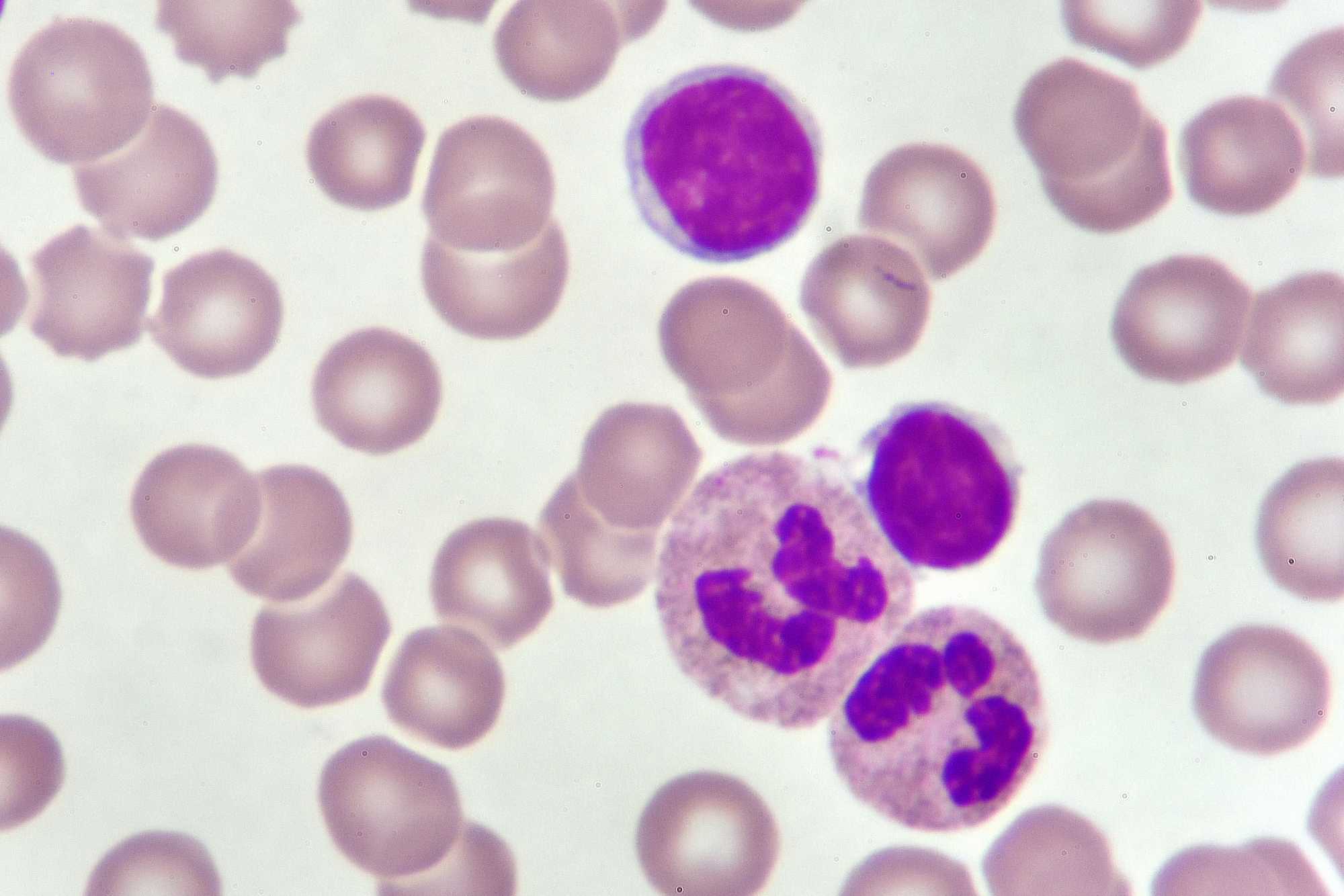
The article focuses on the development of a bioinformatics program to study an epigenetic signature (DNA methylation) as a marker of cell evolution in a type of leukemia (chronic lymphocytic leukemia, CLL). The researchers propose using it to determine how leukemia clones change as the disease progresses, finding that when CLL leukemia (which is usually quite benign) transforms into a type with a worse prognosis (Richter's disease), certain groups of cells are selected.
The work is theoretical and would require further experimental validation, and is not currently implementable in clinical practice. As a computational science tool, it appears promising for studying methylation patterns in cancer, but it should be noted that single-cell DNA methylation analysis techniques now exist that combine rigorous biological verification of the results with novel mathematical and artificial intelligence algorithms that allow for obtaining results similar to those presented in this study for this specific leukemia.
Gabbutt et al.
- Research article
- Peer reviewed
- People