Warm-water coral reefs pass their point of no return
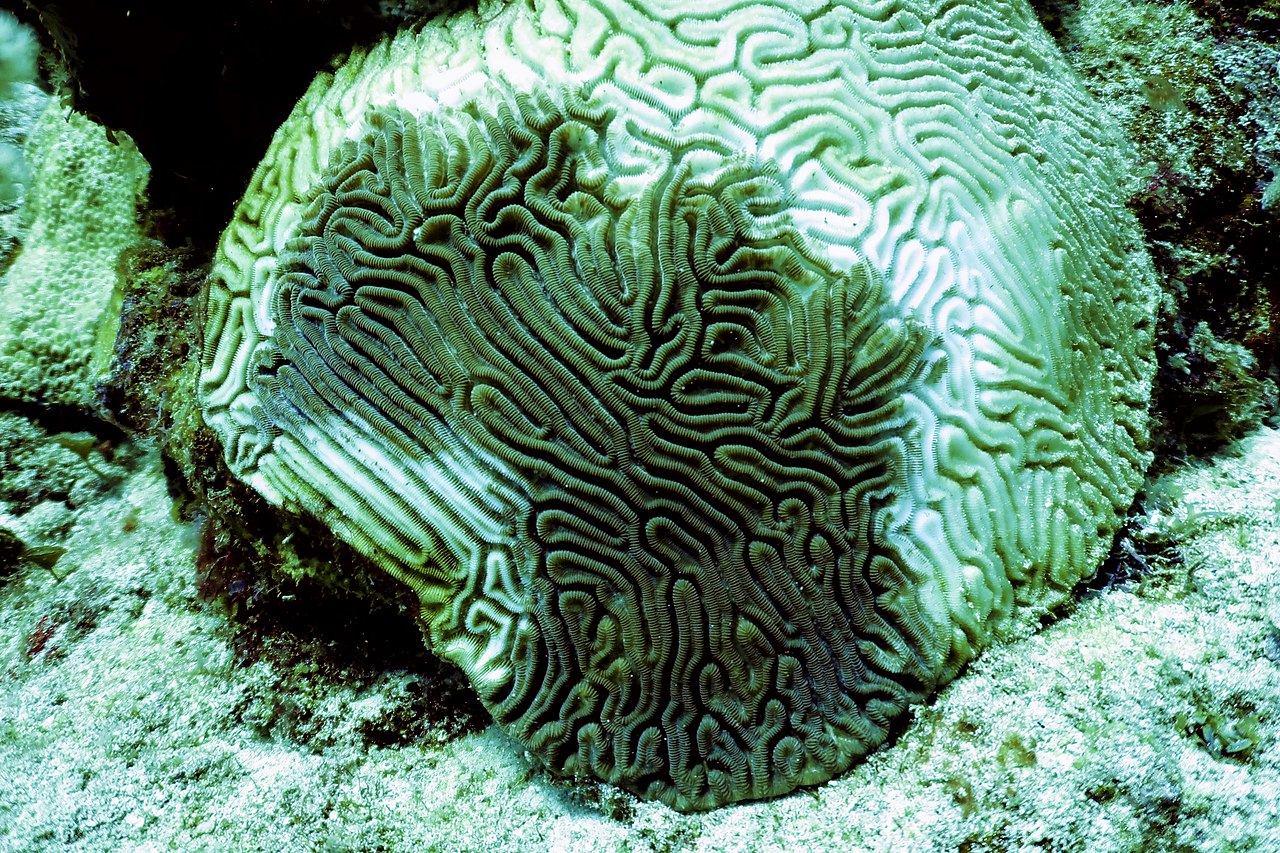
Extensive warm-water coral reefs are facing widespread mortality and, unless global warming is reversed, will be lost, warns the report Global Tipping Points 2025. This is the first tipping point reached by the Earth system, the first in a series of tipping points that will cause ‘catastrophic’ damage—melting ice sheets, death of the Amazon rainforest, and collapse of vital ocean currents—unless humanity takes urgent action. The report also identifies positive tipping points that have been crossed on a global scale, for example in the area of solar energy and the adoption of electric vehicles.
Pep Canadell - tipping points arrecifes EN
Pep Canadell
Executive Director of the Global Carbon Project and Senior Research Fellow at the CSIRO Climate Science Centre in Canberra, Australia
Beyond the controversy over what is and is not a tipping point, the new report makes it clear that every year there is an increase in the scope and magnitude of the negative impacts of climate change, that every year more people are experiencing more prolonged and diverse impacts, and that every year those impacts are accelerating.
There is now clear evidence of collapse profiles in many large-scale ecosystems, including the degradation of coral reefs and their provision of fisheries for hundreds of millions of people, the degradation of parts of the Amazon, and the slowdown of the Atlantic meridional overturning circulation that influences the climate of Europe, Africa, and the many tropical countries affected by the monsoon.
All of these risk profiles and impacts increase rapidly with further global warming and are therefore one of the most compelling reasons to act quickly to reduce greenhouse gases.
Lenton, T. M. et al (eds). Universidad de Exeter.
- Report