One lake in the central Amazon reached 41 °C and four others exceeded 37 °C in 2023
Lakes are considered sentinels of climate change, although most research has focused on temperate regions. An international team analysed 10 tropical lakes in the central Amazon during the 2023 drought, which caused high mortality among fish and river dolphins. Using satellite data and hydrodynamic models, the authors show how intense drought and a heatwave combined to raise water temperatures: five of the 10 lakes experienced very high daytime temperatures, exceeding 37°C. Specifically, temperatures in the shallow waters of Lake Tefé soared to 41°C—hotter than a thermal bath. The study is published in Science.
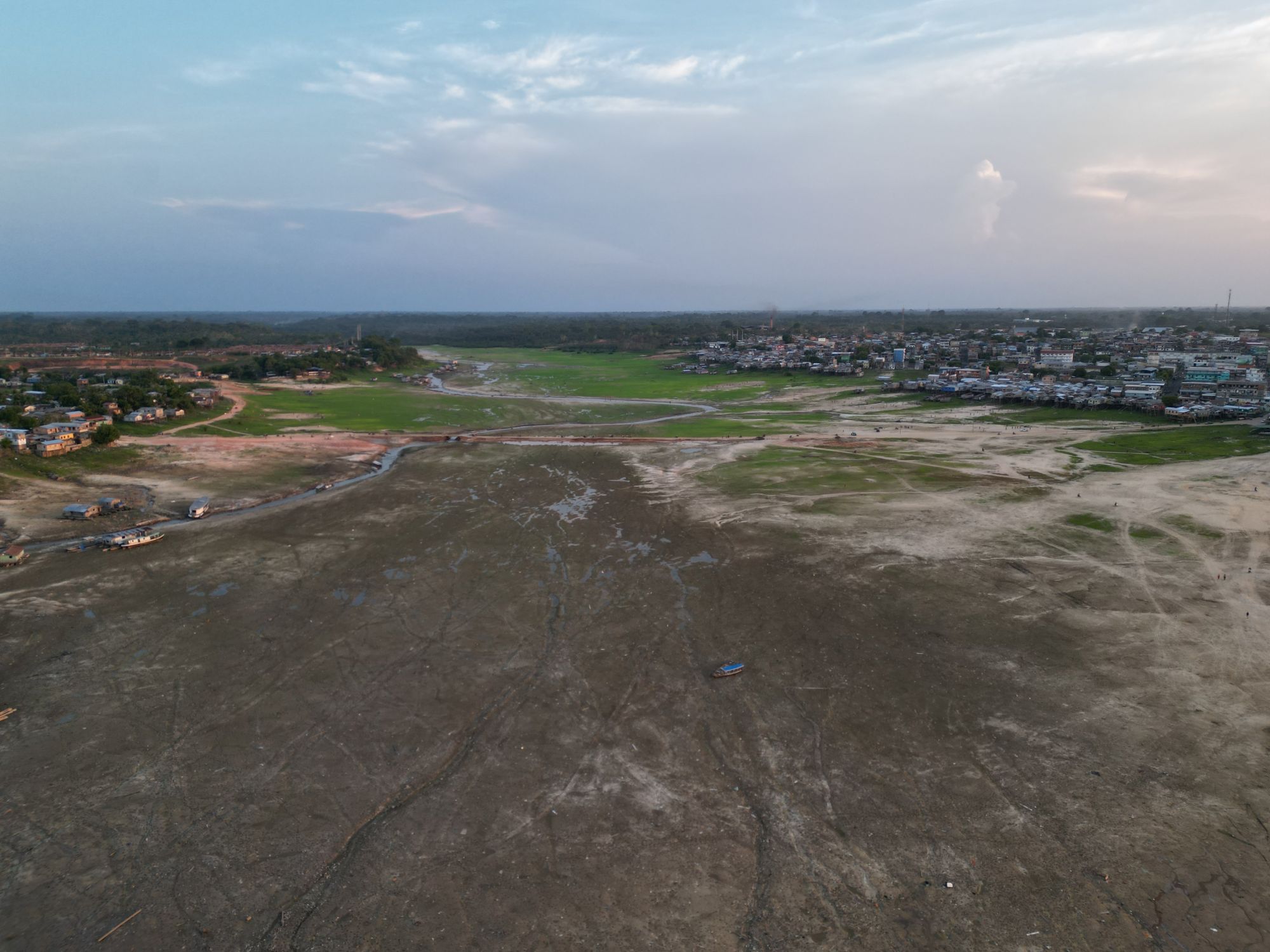
Lake Tefé. Author: Débora Hymans.
Jordi Catalán - lagos Amazonia EN
Jordi Catalán
CSIC research professor at CREAF
"Around the Amazon River, and specifically in its central section, there is a series of extremely unique forest and aquatic ecosystems that maintain a continuous interdependence with the river and are still only superficially understood. The river is also a transport route between isolated human populations along its course and defines a way of life. Among the relevant ecosystems are large, shallow lakes, the result of the river's own geomorphological dynamics, which are the focus of the study. The study details the trend of warming waters over decades and extreme fluctuations during a period of drought, when water temperatures reached over 40 degrees, a phenomenon without precedent even in the tropics. This extreme situation dramatically affected aquatic life and human activities, with the death of hundreds of pink dolphins, characteristic of these waters, being particularly striking.
The study combines intensive measurements during the drought episode, decades of monitoring data, which are essential for identifying trends, satellite information to assess the extent, and explanatory models of the physical processes associated with the observations. This provides an accurate description of what happened and a convincing analysis of the relevant processes, among which the importance of low wind speeds stands out as a necessary factor in reaching the thermal peaks observed in the water. This understanding of the physical processes will be fundamental to understanding and predicting the biological consequences of these large climatic fluctuations, although the study only speculates partially on them, due to a lack of adequate data.
In general terms, climate change predictions include long-term trends for certain meteorological variables and also highlight that these trends will be accompanied by an increase in the magnitude of fluctuations and the frequency of extreme events. These predictions are gradually materialising in a very concrete way in many parts of the planet and, in some cases, dramatically for the ecosystems and populations of the affected areas, as in this case study in a region as unique and emblematic as the Amazon. It would be desirable for the publication of the study to coincide with COP30, which is being held in Belém at the gateway to the Amazon, to reinforce the conviction and determination of the body responsible for taking the necessary decisions to implement the commitments made by countries in the fight against climate change.
Is the study of good quality?
‘The study very conclusively combines information from high-frequency measurements during the drought event with decades of temperature measurements in some lakes, satellite information and analysis of the processes using mathematical models of physical dynamics. This multiple and complementary approach allows us to reach robust and convincing conclusions about the specific causes of some exceptional episodes, such as the very high water temperatures reached.’
What are the implications and how does it fit in with existing evidence?
"Year after year, if not month after month, we are witnessing extreme weather events across the planet. That the Amazon is being affected so dramatically is perhaps no longer surprising. Climate change predictions already indicated a general increase in the frequency of extreme events over the long term. The study is particularly valuable because it describes an extreme phenomenon in an emblematic and unique ecoregion of the planet, but it also demonstrates the importance of thoroughly analysing data through the prism of existing theoretical knowledge to identify the relevant processes underlying the observed patterns. In this case, a set of meteorological conditions (drought, high air temperatures, low wind) led to an exceptional and dramatic situation in the ecosystems, evidenced by the death of fish and hundreds of pink dolphins.
Are there any limitations to be taken into account?
The study itself points to the difficulty of understanding the biological and ecological consequences of the physical phenomena observed, beyond the verification of certain facts. For example, why the dolphins did not seek refuge early enough in cooler waters that they could presumably access.
Its publication coincides with COP30, which starts on Monday in Belém, at the gateway to the Amazon. Will it serve as a wake-up call about the effects of climate change?
‘It would be desirable for the publication of the study to coincide with COP30 to reinforce the conviction and determination of the body responsible for taking the necessary decisions to implement the commitments made by countries in the fight against climate change. The wake-up calls are piling up, this is just one more, but it is set in an emblematic location on the planet. Let us hope that its proximity will encourage decision-making in the desired direction and manner.’
Núria Bonada - lagos Amazonia EN
Núria Bonada
Professor of Ecology at the University of Barcelona
The effects of climate change are significantly altering global hydrological patterns, causing changes in the availability and quality of water in rivers and lakes. Currently, around 60% of the world's river network experiences periods of drought at some point during the year, and projections indicate that this figure will increase, accompanied by a trend towards longer and more extreme droughts in many regions of the planet.
Numerous large rivers and lakes are experiencing rising temperatures and significant drops in water levels, and even episodes of partial or total drying up. The Amazon River basin, which has been poorly monitored until now, is a particularly worrying example due to its high biodiversity and the numerous ecological functions and ecosystem services it provides. The article published by Fleischmann and colleagues (2025) documents how an unprecedented heatwave and drought in 2023 transformed the lakes of the central Amazon into shallow and extremely hot basins, with water temperatures exceeding 40°C in some cases and levels falling to historic lows.
Declining water levels and rising temperatures in rivers and lakes cause habitat loss and mortality of aquatic species, leading in some cases to their extinction, which compromises the ecological integrity of these ecosystems. Given this scenario, it is urgent to implement conservation and adaptive management measures aimed at preserving biodiversity, ecological functions and ecosystem services in order to mitigate the impacts of prolonged droughts on these critical habitats.
Ernesto Rodríguez Camino - lagos Amazonia EN
Ernesto Rodríguez Camino
Senior State Meteorologist and president of Spanish Meteorological Association
An unprecedented drought and heatwave severely affected the waters of lakes in the Amazon region in 2023, causing high mortality rates among fish and river dolphins. These shallow lakes are the canaries in the coal mine of climate change effects, as their relatively low heat capacity, compared to large ocean water masses, means they have little thermal inertia and react quickly to external forces.
It is important to note that combined extreme events, such as drought and heat waves in this case, are increasing in frequency, intensity and duration due to anthropogenic climate change, and that these combined events have amplifying interactions. The impacts are not simply the sum of the individual events; their interaction generates disproportionately large effects, as is the case reported here regarding the extremely high temperatures in lakes approaching or exceeding the thermal tolerance limits of aquatic life.
IPCC reports warn that with the increase in global average temperature, the impacts of combined events may become systemic and highly likely to cause multiple (food, energy, health) and cascading failures. All of this must be taken into account when planning the adaptation of various ecosystems and socio-economic sectors.
Ayan Santos Fleischmann et al.
- Research article
- Peer reviewed