What may be the oldest evidence of drug use by pre-agricultural hunter-gatherers has been discovered
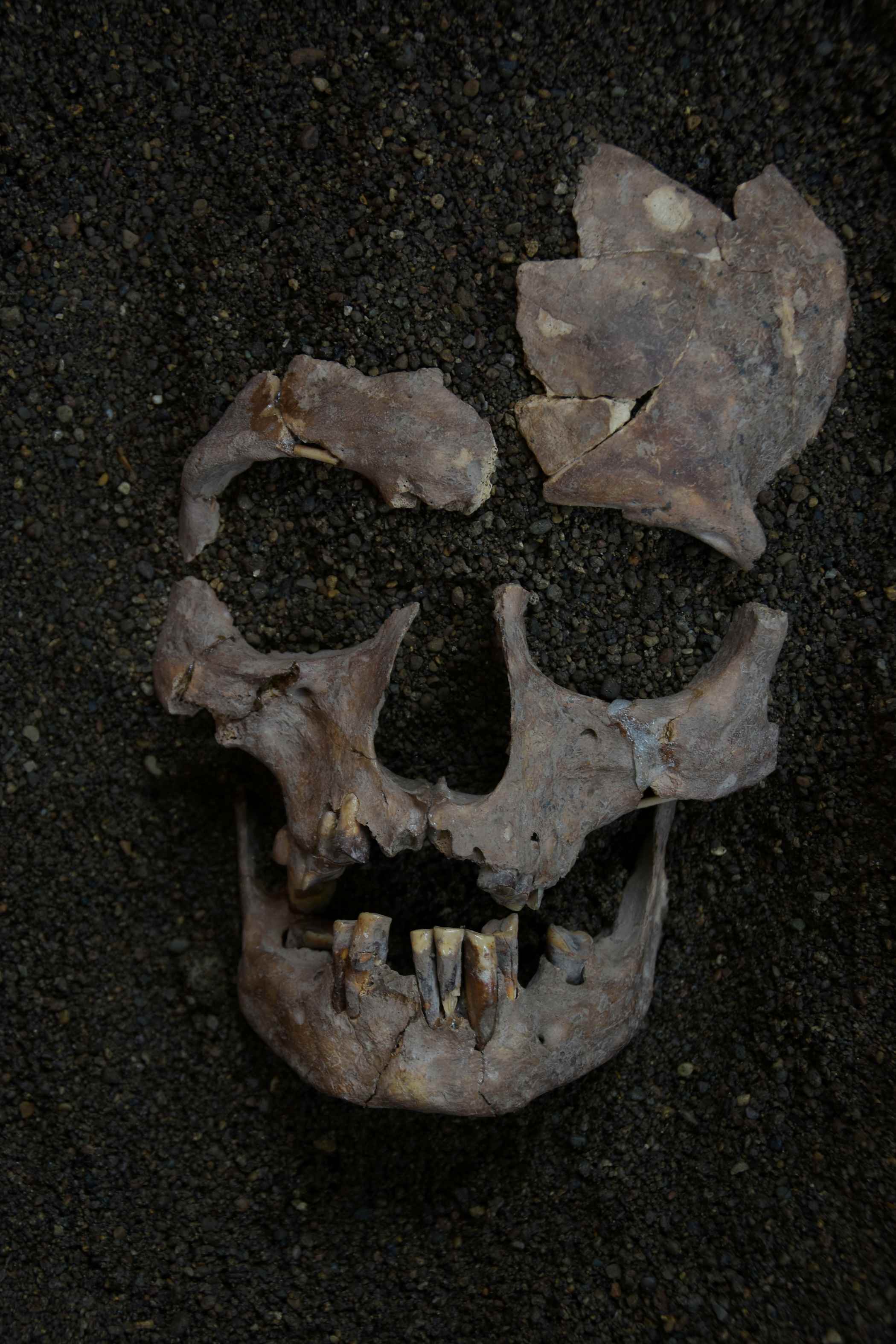
A study published in Science Advances suggests that the use of betel nut as a drug has older origins than previously thought. Bone remains from two pre-agricultural hunter-gatherers — dated between 25,000 and 16,000 years ago — from Sulawesi (Indonesia) show dental pathology associated with the consumption of these whole nuts. Considered one of the world’s oldest known drugs, when consumed, this nut releases arecoline, the plant’s main neuroactive alkaloid. According to the research, it is possible that the hunters-gatherers’ sole motivation for using it was not merely as a drug, but also for its analgesic and digestive properties.
Elisa Guerra - droga preagrícola
Elisa Guerra
The study by Brumm et al. provides direct evidence of the long history of drug use, thanks to data obtained from LC/MS chemical analyses of teeth from two prehistoric individuals from Indonesia, one of whom dates from the Pleistocene. Specifically, arecoline, an alkaloid found in betel nut, has been detected. This plant is a natural stimulant widely consumed today across a vast region stretching from South-East Asia and the South Pacific to East Africa.
These findings not only represent the oldest evidence of the use of psychoactive plants currently known worldwide, but also demonstrate that betel consumption is a millennia-old tradition dating back to prehistoric times, and that hunter-gatherer groups, long before the establishment of a production-based economy in the region, had discovered the psychoactive properties of areca nuts and utilised them for various purposes.
Marian Berihuete-Azorín - droga preagrícola
Marian Berihuete-Azorín
The use of psychoactive and/or medicinal substances has been part of human life for millennia. It is a subject that generates a great deal of interest and attention in today’s society because it allows us to connect deeply with the past. To give an example, in Western societies, the consumption of alcohol, tobacco and other psychoactive substances continues to be frequently associated with certain rites, ceremonies or activities of social significance.
The main innovation lies in the integration of two lines of evidence: the visible marks left on the teeth and their biochemical analysis, to put forward the hypothesis that the chewing of betel nuts – a practice still widespread in South-East Asia – was for medicinal or recreational purposes.
If the findings of this study are confirmed, the evidence presented would push back the consumption of betel nuts in South-East Asia by several thousand years, as the oldest individual has been dated to between 25,000 and 16,000 years before the present. This finding extends beyond its significance for the region and the specific species consumed, as it enhances our understanding of the complex and varied relationship between hunter-gatherer societies and the plants and environment in which they lived.
Finally, this close contact over millennia would have led to the domestication of betel nuts and thus enabled this custom to survive to the present day.
Brumm et al.
- Research article
- Peer reviewed