A study claims that microplastics in water are chemically active and could cause biological damage
Plastics are generally considered to be chemically inert, which is why they are so frequently used for food packaging, bottling water or manufacturing toys. However, when a large piece breaks down into microplastics — less than 5 mm in size — its surface area increases dramatically in relation to its volume. As a result, the amount of material exposed to the environment is much greater. A study published in Nature concludes that this new surface area is not necessarily safe when submerged in water, but may generate high-energy reactive radicals — reactive oxygen species — which can cause harm to health and the environment.
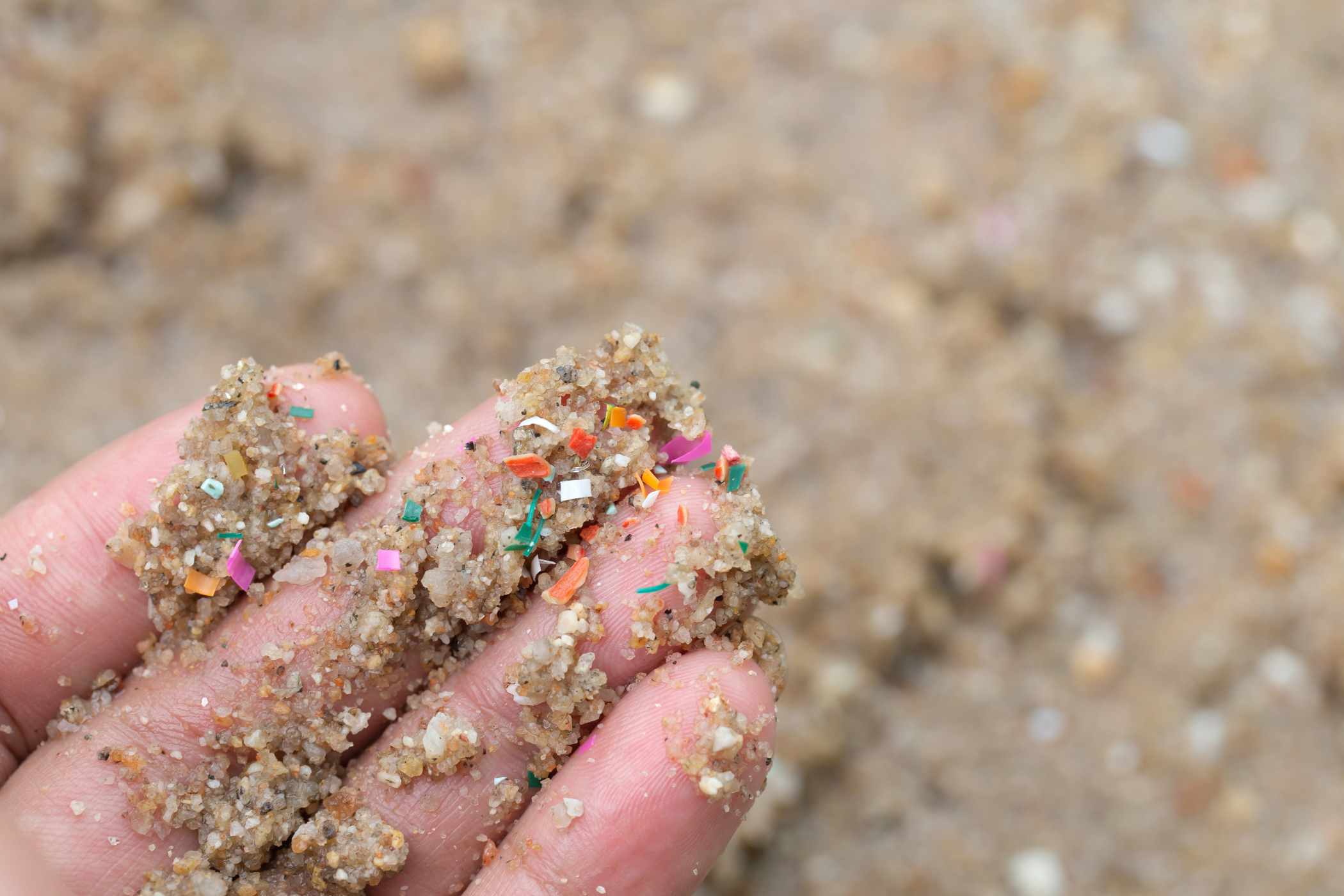
June-Woo Park - microplásticos
June-Woo Park
What is the context of this study? What topics related to microplastic activity has the research community recently focused on, and how do these findings relate to those trends?
"Until now, microplastic research has mainly focused on questions that attract interest or curiosity, such as how much microplastic is found in the environment or the human body, and how much is released from plastic products under various conditions. From a toxicological perspective, several papers have reported that microplastics can induce ROS-related harm in living organisms. This study is relevant in that it provides scientific evidence for the mechanism by which microplastics generate ROS."
What is the most important contribution of these findings, and what are their limitations?
"The key contribution is identifying the mechanism of ROS generation by microplastics in aquatic environments. However, in terms of environmental relevance, a limitation is that the study did not examine nanoscale plastic particles, only microscale ones. Nanoplastic pollution in the environment is considered more hazardous than microplastic pollution."
Are the conclusions supported by sufficient evidence or data? Are the reasoning and process robust, and were confounding factors adequately controlled?
"Sufficient evidence and data were provided."
How does this study differ from previous research in terms of data or methodology?
"Previous studies confirmed a link between ROS generation and toxicity (harm). This study differs in that it identifies how ROS are generated."
How might this study help address the microplastic problem? Could it influence risk prevention or avoidance, or policymaking?
"As a study confirming the hazards of microplastics, it can serve as baseline data for addressing micro- and nanoplastic issues, particularly for developing management policies."
Qian et al.
- Research article
- Peer reviewed