A study claims that microplastics in water are chemically active and could cause biological damage
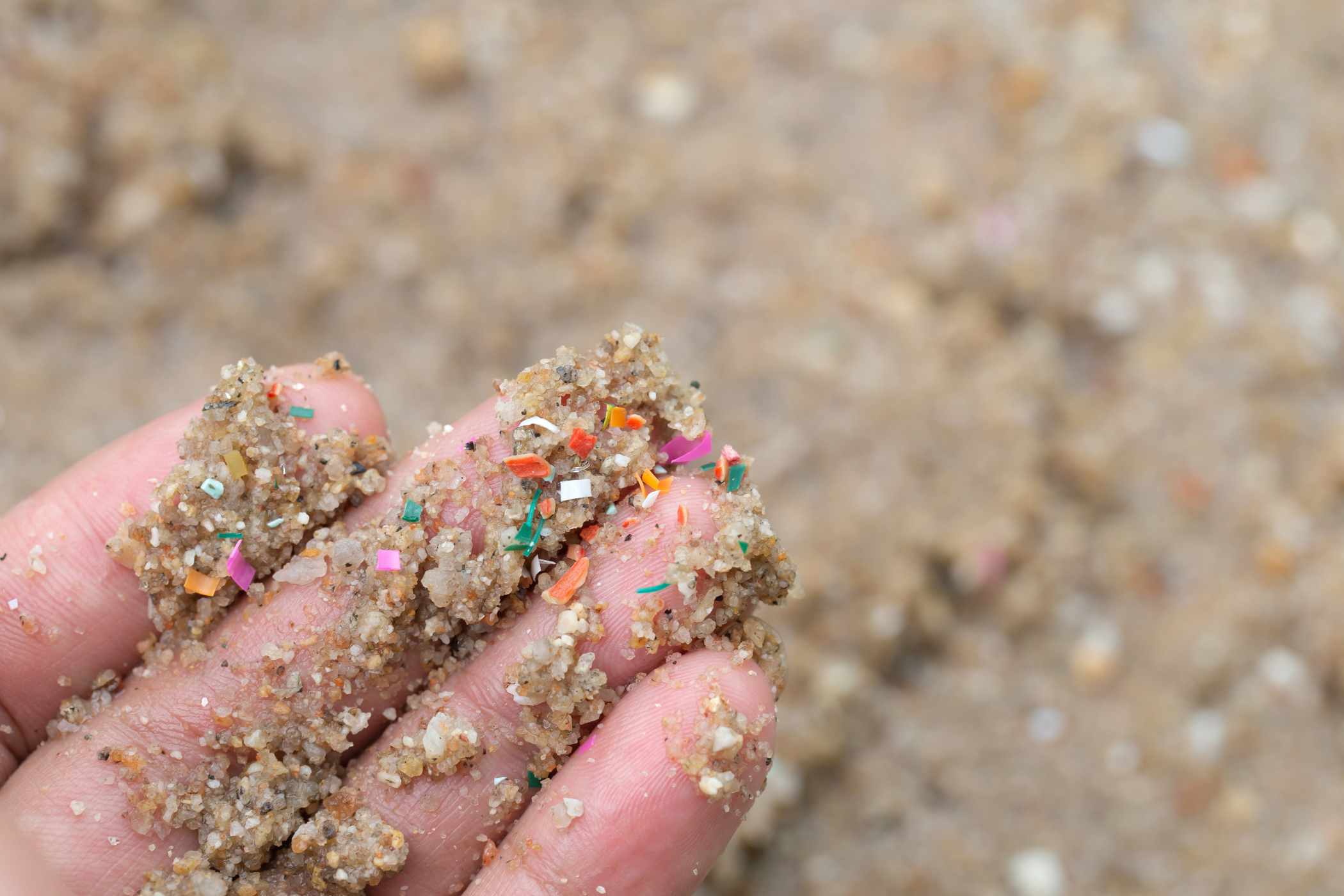
Plastics are generally considered to be chemically inert, which is why they are so frequently used for food packaging, bottling water or manufacturing toys. However, when a large piece breaks down into microplastics — less than 5 mm in size — its surface area increases dramatically in relation to its volume. As a result, the amount of material exposed to the environment is much greater. A study published in Nature concludes that this new surface area is not necessarily safe when submerged in water, but may generate high-energy reactive radicals — reactive oxygen species — which can cause harm to health and the environment.
0