Pilot whales in the Strait of Gibraltar increase the volume of their calls to try to be heard over the noise of ships
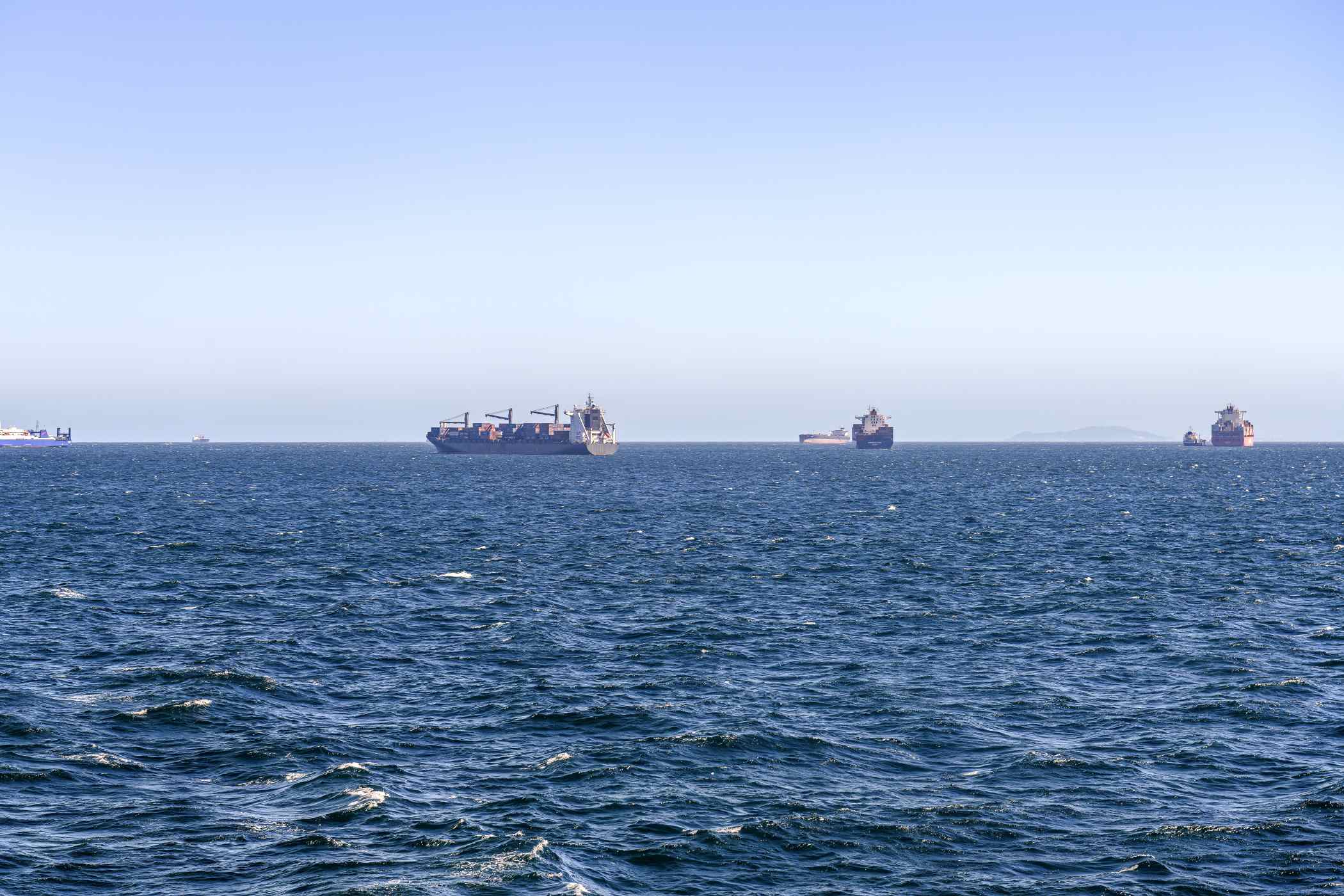
More than 60,000 ships cross the Strait of Gibraltar each year, making it one of the busiest shipping lanes on the planet and generating noise pollution that can affect communication between animals. An international team, including Spanish researchers, has studied more than a thousand calls between 18 long-finned pilot whales, an endangered cetacean, and observed that these animals increase the volume of their calls as ambient noise increases, comparable to "that of a noisy restaurant or being next to a vacuum cleaner," as noted in a press release. However, this attempt at compensation is not always enough, which could hinder the reunion of members of the same group. The results are published in Journal of Experimental Biology.
Michel - Ballenas
Michel Andrés
Michel André, director of the Laboratory of Bioacoustic Applications at the Polytechnic University of Catalonia (UPC)
The article is of good quality; the methodology and results are consistent, and the conclusions are prudent.
Noise in the sea now affects all links in the food chain, from plants to cetaceans, including phytoplankton and invertebrates. Increased noise levels in some areas where human activities are concentrated require adaptation from the species present. That some cetacean acoustic productions increase in intensity to temporarily mask ambient noise is neither new nor unusual, as has been demonstrated in some species. The data suggest that this phenomenon would also affect pilot whales in the Strait of Gibraltar.
The authors acknowledge that they have not been able to determine the level of signal loss or whether this possible masking of their vocalizations reduces the distance between individuals. All the data suggests that their prey could be more affected by this permanent exposure to artificial noise than the cetaceans themselves, but the authors make no mention of this, when the presence of this species in the Strait of Gibraltar is due to the availability of cephalopods.
Hegeman et al.
- Research article
- Peer reviewed