autism

autism

autism

A combination of three nutrients improves social and neural traits in mouse models of autism

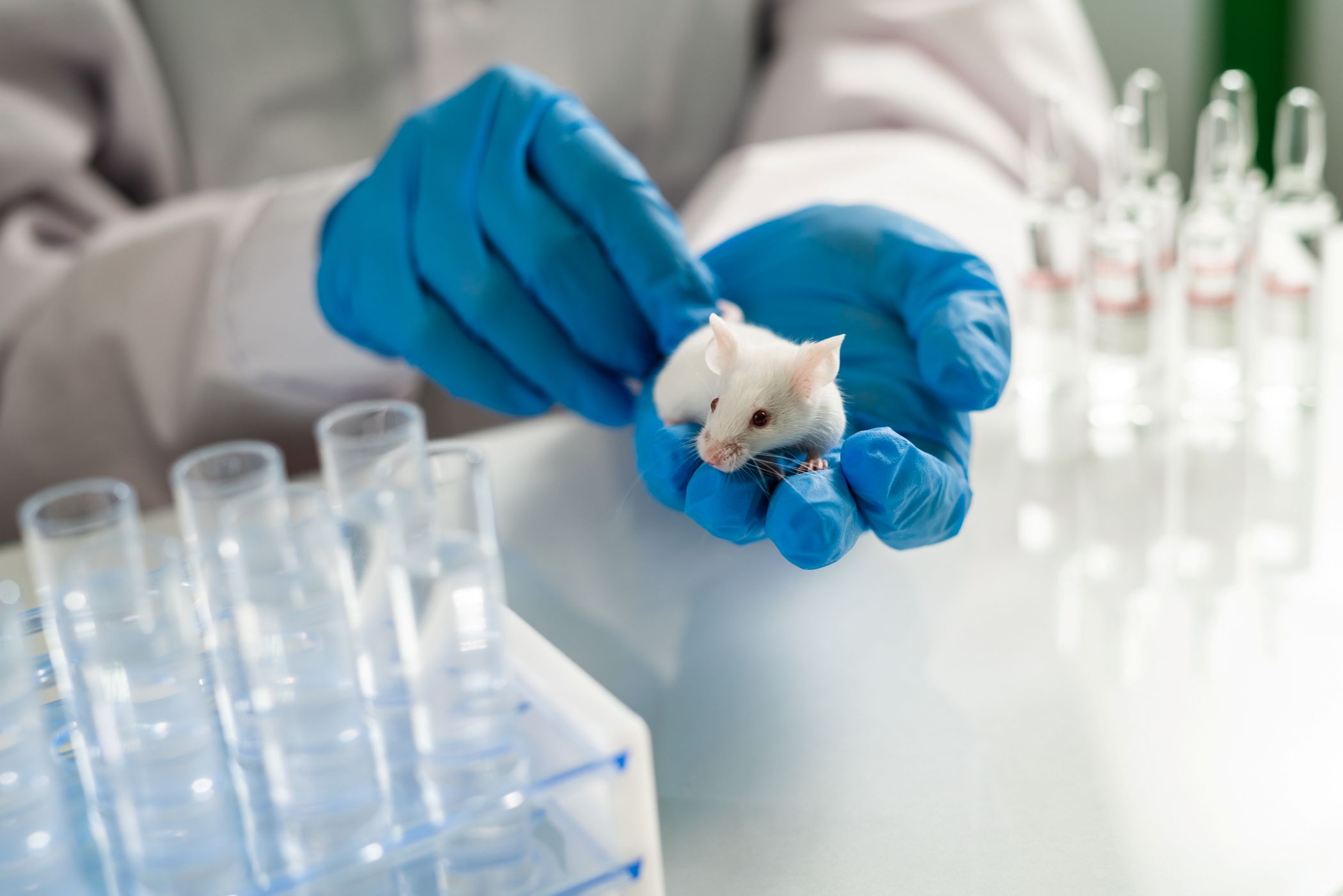
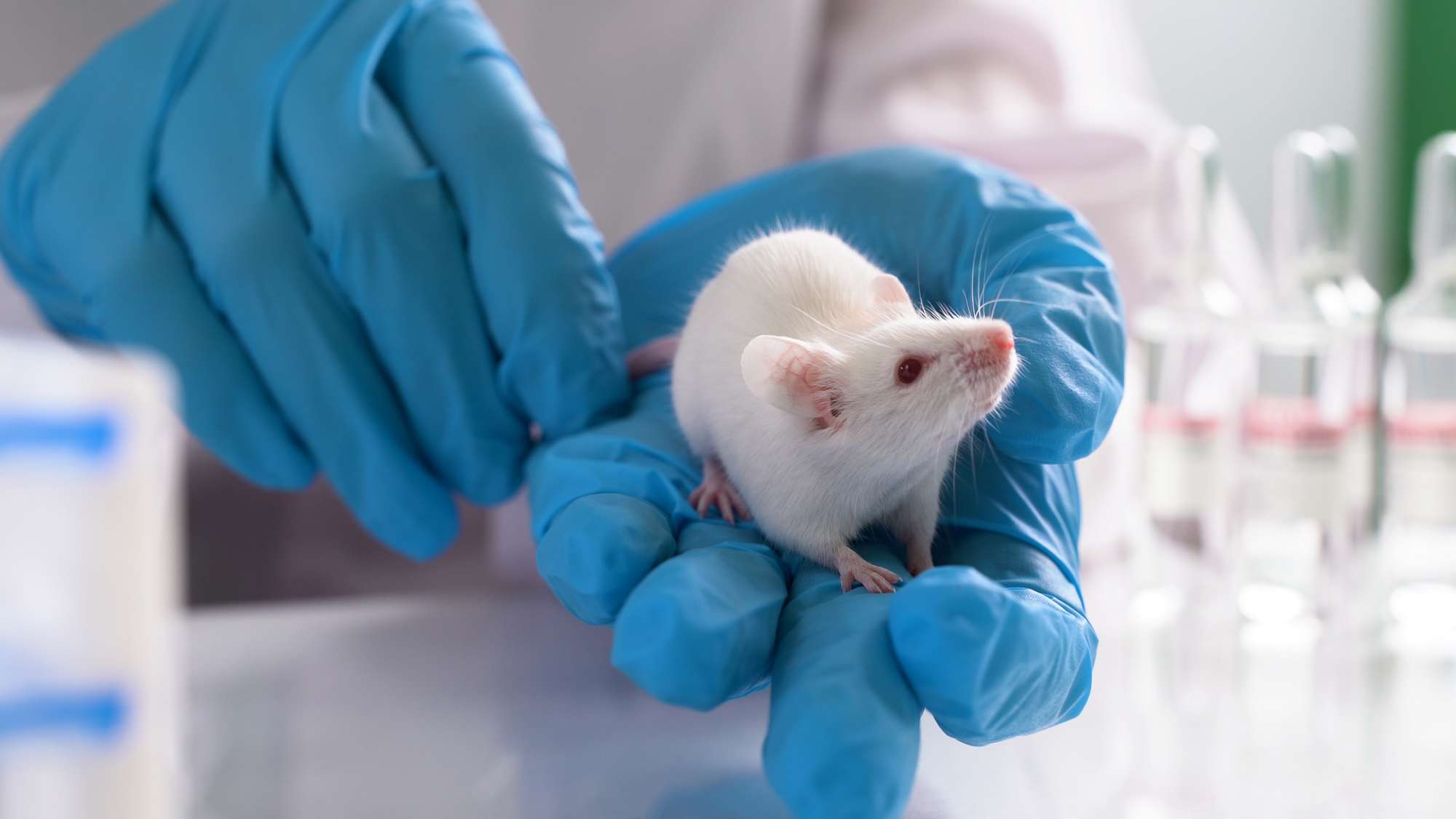
A study published in PLOS Biology analysed whether supplementation with zinc, serine and branched-chain amino acids —valine, isoleucine and leucine— improves autism-related symptoms in three mouse models. These nutrients are believed to regulate synaptic formation and activity. The results show that the combination of the three nutrients, at low doses for seven days, improved affected brain traits —such as hyperactivity and hyperconnectivity of the amygdala— and the social behaviour of the animals. Individual supplementation did not show such improvements. 

0

An opinion piece refutes studies linking gut microbiota and autism

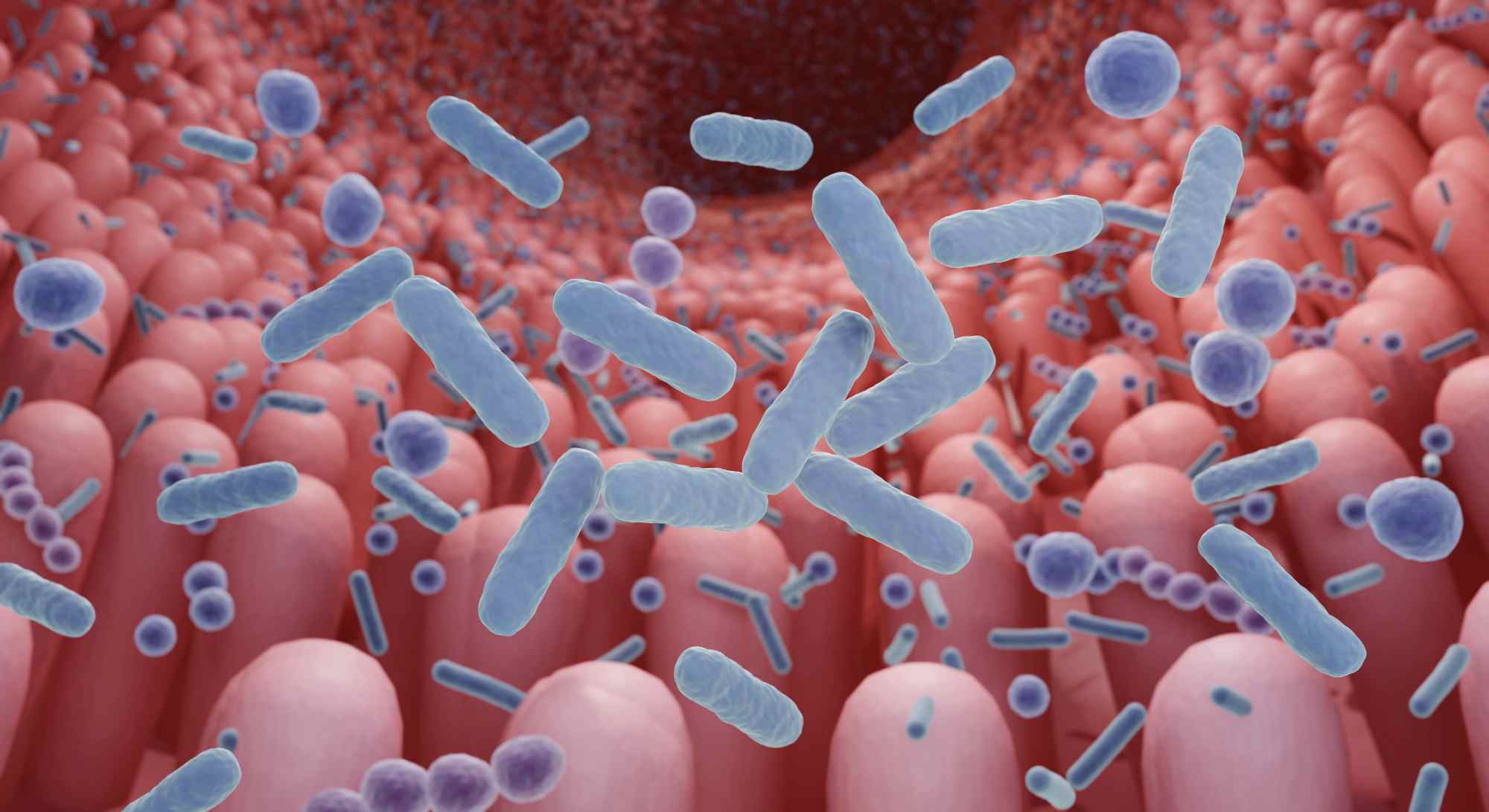
There is no solid scientific evidence that alterations in the gut microbiota cause autism, according to an opinion piece published in the scientific journal Neuron. The research supporting this hypothesis—observational studies and clinical trials in humans, as well as mouse models—has both conceptual and methodological shortcomings, the authors write.

0

A study claims that exposure to fine particulate matter pollution during pregnancy is associated with an increase in autism diagnoses

A team has analysed estimated data on exposure to pollution during and after pregnancy and its possible link to a diagnosis of autism in more than two million births in Canada between 2002 and 2022. Their findings are that greater exposure to small PM2.5 particles containing sulphate or ammonium is associated with a higher likelihood of receiving a diagnosis of autism in the first five years of life. A slightly increased proportion was also observed with greater exposure to ozone during certain weeks of pregnancy and in the first year of life. The results are published in the journal JAMA Network Open.

0

Different autism profiles identified according to age of diagnosis

People with autism have different genetic and developmental profiles depending on the age at which they were diagnosed, according to a study published in Nature. The authors distinguish two groups: the first receive a diagnosis of autism in early childhood, with lower social and communication skills and a moderate correlation with attention deficit hyperactivity disorder (ADHD) and mental health disorders. The other group of people receive their diagnosis in adolescence, with increased socio-emotional and behavioural difficulties, and higher genetic correlations with ADHD and mental health disorders. 

0

Controversy over the Trump administration's proposal of leucovorin as a treatment for autism

At a press conference at the White House on Monday, Donald Trump and health authorities linked the use of paracetamol during pregnancy to cases of autism. They also recommended leucovorin as a treatment for autism. Immediately afterwards, the US Food and Drug Administration (FDA) announced in a press release that it had begun the approval process for calcium leucovorin tablets for patients with cerebral folate deficiency. “People with cerebral folate deficiency have been observed to have developmental delays with autistic characteristics, seizures, and movement and coordination problems,” they said. The update on the use of the drug, discussed by the scientific community, will authorize the treatment of children with autism spectrum disorder.


0

US health authorities will warn of a link between paracetamol use during pregnancy and the risk of autism in children, according to 'The Washington Post'

On Monday, US federal health authorities will advise pregnant women against taking paracetamol in the early stages of pregnancy, unless they have a fever, as reported yesterday by The Washington Post. The announcement will be accompanied by a recommendation for a drug called leucovorin as a treatment for autism, the article adds. Donald Trump said yesterday: ‘Tomorrow we are going to have one of the most important announcements... from a medical standpoint, I think, in the history of our country. I think we have found an answer to autism.’

0

Maternal diabetes is associated with an increased risk of neurodevelopmental disorders in children, according to a review

A review of 202 studies involving more than 56 million mother-child pairs has observed an association between maternal diabetes — including pre-pregnancy and gestational diabetes — and an increased risk of neurodevelopmental disorders in children, such as autism spectrum disorders, attention deficit hyperactivity disorder or intellectual disability. The authors, who publish the results in the journal The Lancet Diabetes & Endocrinology, call for a cautious interpretation of the association, as there is currently little evidence of a causal relationship.

0

A study in Nature led by Spanish researchers achieves a breakthrough in explaining autism

Most cases of autism have no known cause. Now, a study led at IRB Barcelona has discovered a mechanism that could explain a good part of these situations. The loss of a few amino acids in a crucial protein would affect the activity of hundreds of genes and the development of neurons. To explain the study, which is published in the journal Nature and which could open the door to future treatments, the Science Media Centre Spain organized an informative session with Raúl Méndez and Xavier Salvatella, the two scientists who have led the research. 

0

Correlation between prenatal diet and autism diagnosis in children analyzed

A healthy diet during pregnancy is associated with a lower likelihood of children being diagnosed with autism or communication difficulties, according to a study. The research team did not find a correlation between prenatal diet and repetitive and restricted behaviors (characteristic of these disorders). The analysis is published in JAMA Network Open and gathers data from more than 96,000 mother-child pairs in England and Norway.

0

Gut microbiota markers associated with autism spectrum disorder identified

Research has identified 31 biomarkers in the gut microbiota of children that are associated with autism spectrum disorder (ASD) and could have diagnostic value. The gut microbiota includes bacteria, viruses, fungi and archaea. The team replicated the results, published in Nature Microbiology, in three cohorts and analysed faecal samples from more than 1,600 children and children in total, with and without ASD, in China.

0