communication

communication

communication

Independent research shows that X's (Twitter's) algorithm can influence political polarisation

A US research team has devised a method that uses a browser extension to alter the algorithm of X (formerly Twitter) to study its impact on user behaviour. In a 10-day experiment with 1,256 volunteers during the 2024 US presidential campaign, they used the method to vary the content expressing anti-democratic attitudes and partisan hostility. According to the authors, the results—published in Science—provide causal evidence that greater or lesser exposure to this type of content alters polarisation in the same way. Their conclusions contradict previous research published in the same journal, which found no such relationship on Facebook or Instagram. In that case, the study was conducted in collaboration with and funded by Meta.

0

Online images and texts portray women as less experienced than men across all occupations

On the internet, professional women are represented as younger—and therefore less experienced—than their male counterparts, even though this age difference does not correspond to actual data in the US, according to an article published in Nature. This study of gender and age stereotypes is based on an analysis of 1.4 million images on five platforms (Google, Wikipedia, IMDb, Flickr and YouTube), as well as nine large language models, such as ChatGPT, trained with texts from Reddit, Google News, Wikipedia and Twitter. 

0

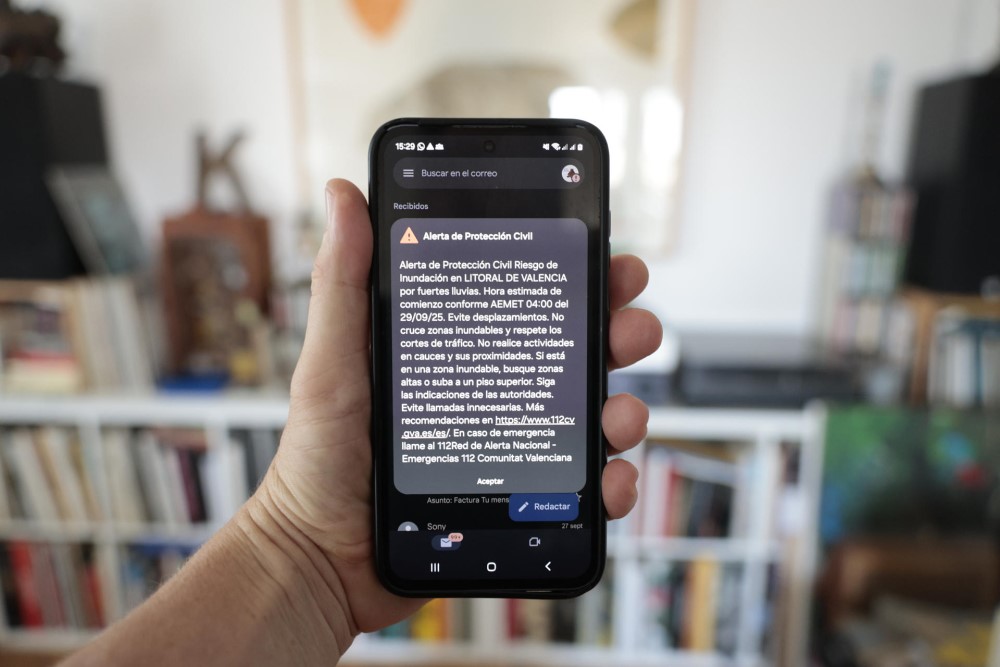
Floods and DANAS: key tips for effective communication

The devastating floods in Valencia in October 2024 and the rainfall alert issued on September 28, 2025, showed that the way we communicate risks can make a difference, for better or for worse. This article presents eight key points for journalists, public officials, communicators, and anyone else interested in communicating better about floods and other crises.

0

A quick guide to reporting obesity without getting it wrong

According to the World Health Organisation (WHO), the prevalence of obesity worldwide has increased by more than 100 % between 1990 and 2022. This reality has been and is constantly reflected in the media, but not always narrated or illustrated in the right way. Here are some tips on how to report on this disease from experts, international guidelines and specialised image banks.

0

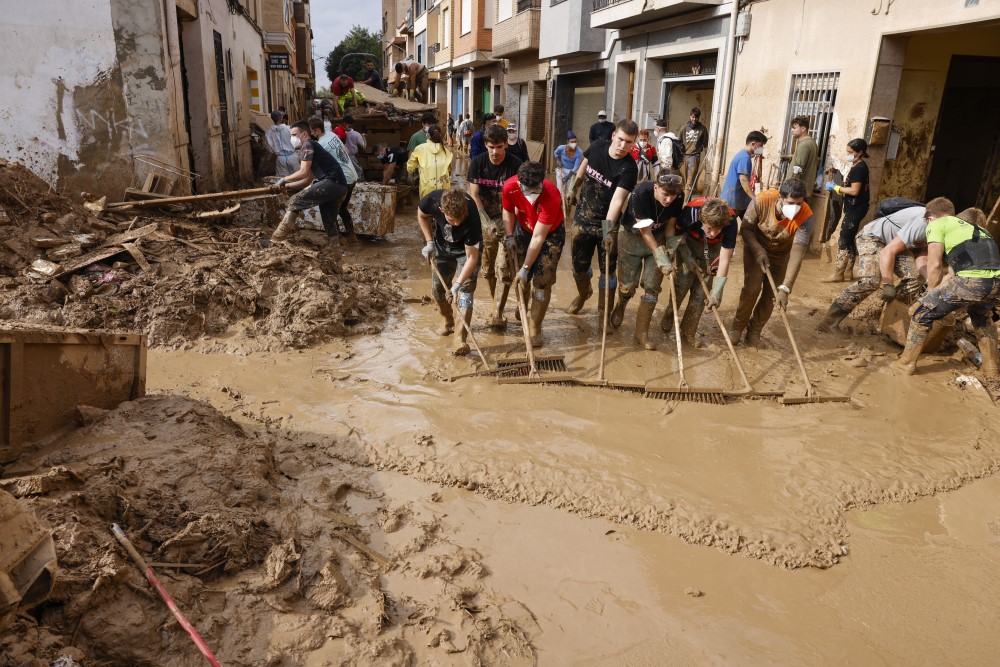
Disasters, nature and responsibility: rethinking journalistic language in the aftermath of the Valencia floods

The devastating floods in Valencia have reminded us of the crucial role of language in journalism: in the maelstrom of information following the catastrophe, numerous articles have resorted to the expression “natural disaster”, as if the tragedy were a sort of inescapable sentence dictated by nature. The idea that nature acts with intent or malice in causing suffering is a concept that distorts our understanding of these events.

1

A brief guide to inform and educate about rare diseases

Every February 28 or 29, World Rare Disease Day is celebrated, an initiative that aims to raise awareness about rare diseases in order to improve access to diagnosis and treatment and achieve a better quality of life among those who suffer from them. Here are some frequently asked questions about the most important concepts, their current situation and the main complaints that affected individuals and families continue to have.   

0

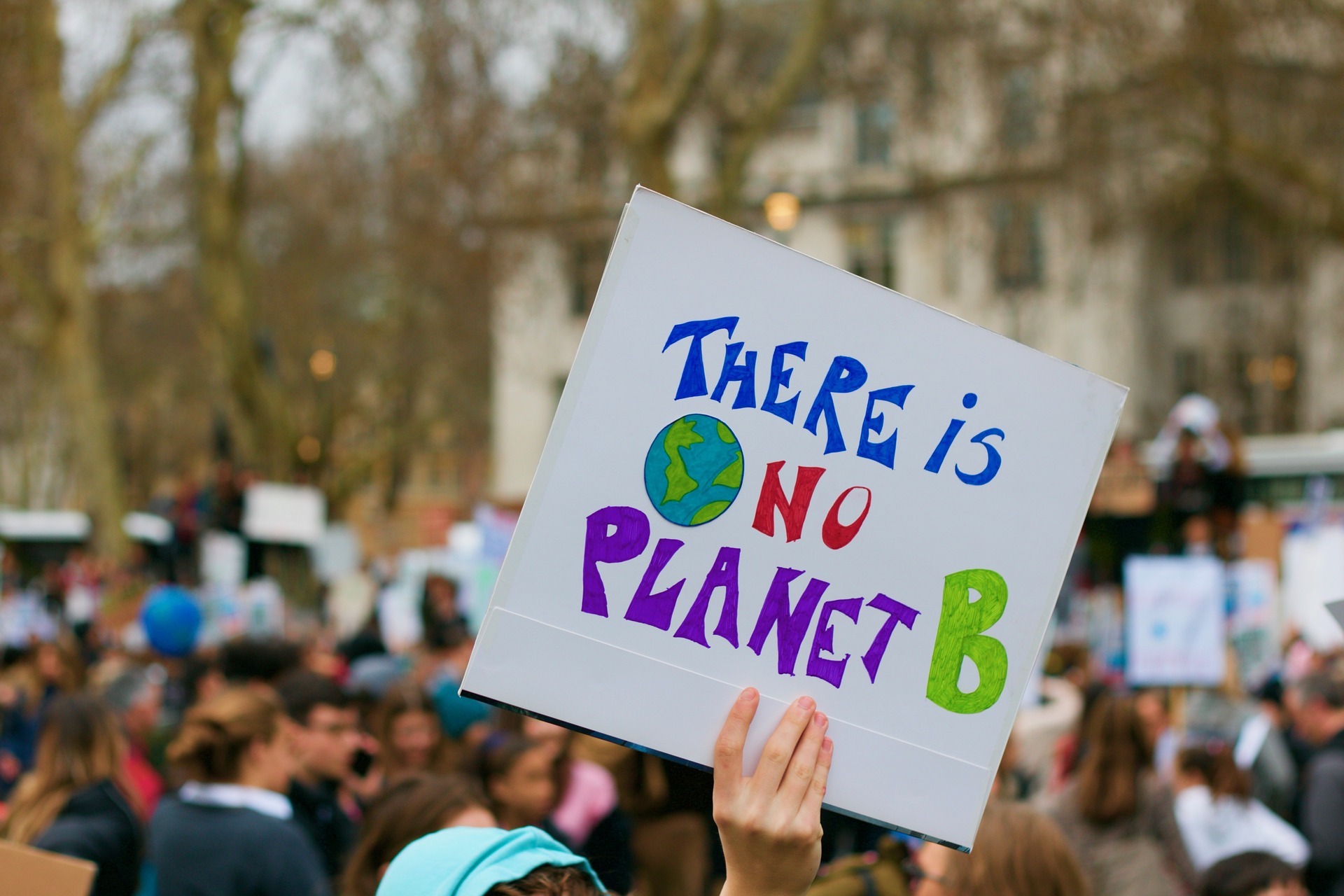
Basic resources for reporting on the climate crisis

Thousands of scientists around the world have spent decades studying the Earth's climate and how its evolution is affecting life on the planet, including human life. Their work is channelled through the UN's Intergovernmental Panel on Climate Change (IPCC), whose regular reports are an unprecedented effort to reach consensus on what has been learned and communicate it in a way that is useful for decision-making. We offer a quick update on the climate crisis.

0

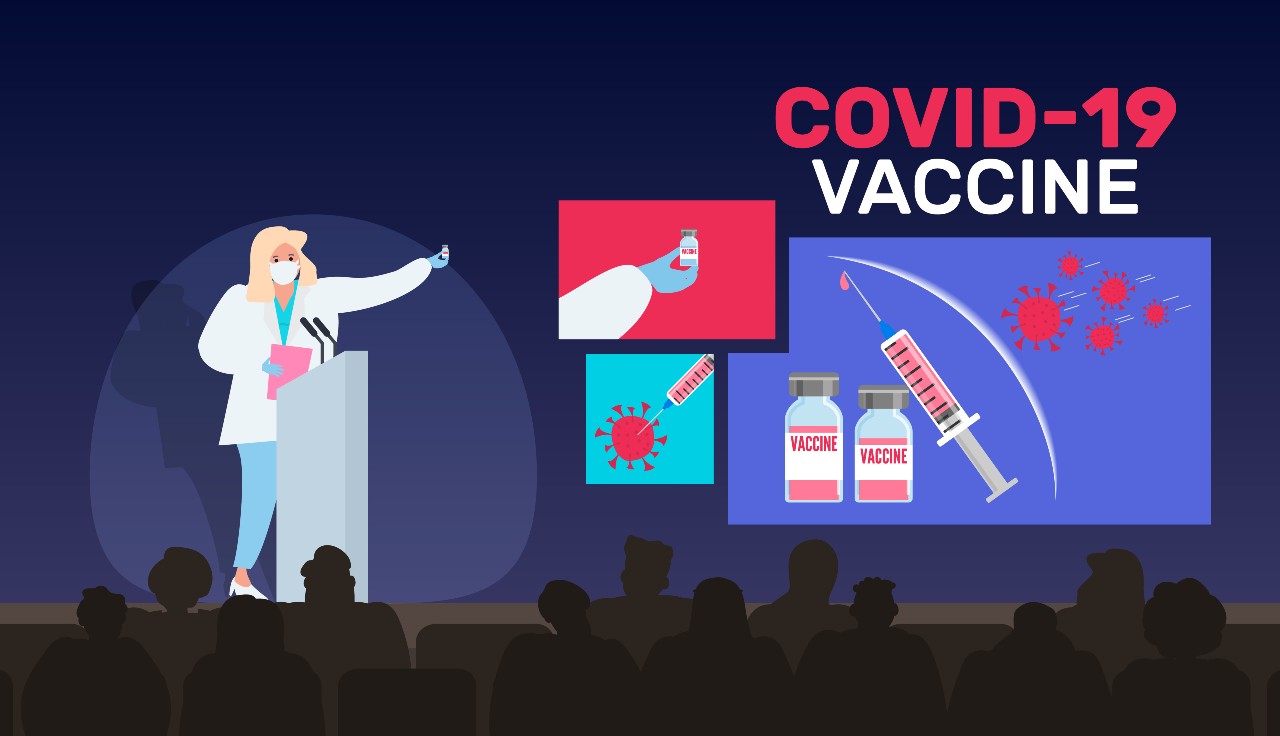
From pandemics to volcanoes or when good crisis communication saves lives

Journalists are not the only generators of information content, but they certainly are the ones who are trained to select, channel, and amplify truthful information and combat misinformation. In crisis situations, where scientific evidence guides decision-making, science communication to society takes on an almost strategic role. Here are some key points for scientists talking to journalists at such times.

0