conservation

conservation

conservation

Reactions: two-thirds of conservation efforts help combat biodiversity loss

Two-thirds of biological conservation actions improve biodiversity or slow its decline, a meta-analysis claims. The study highlights the effectiveness of interventions focused on invasive species control, habitat loss reduction and restoration, and protected areas. The article, published in the journal Science, brings together the findings of 186 previous studies.   

0

Reaction: UN report warns of migratory species decline

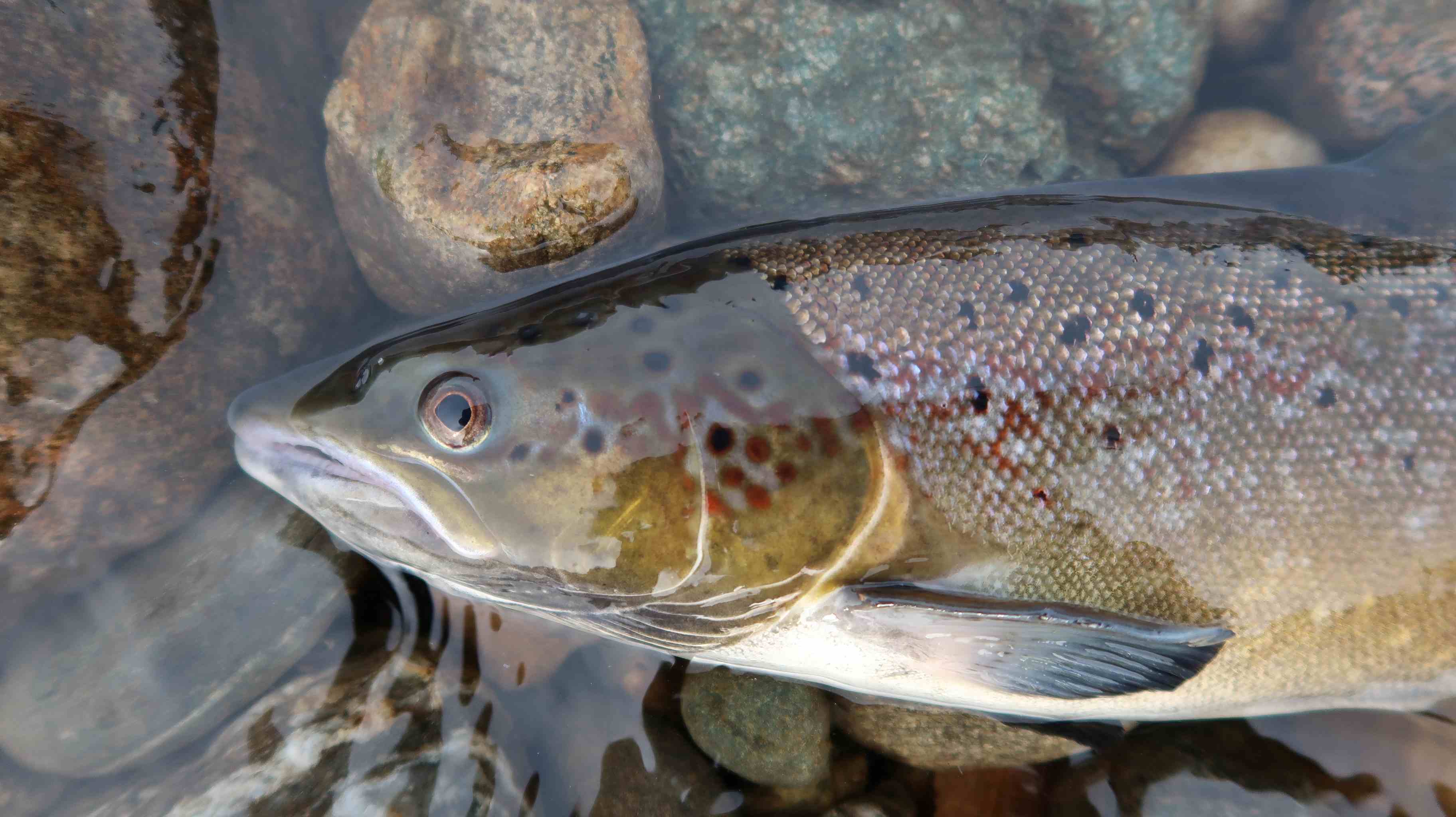
One in five species included in the list of the Convention on the Conservation of Migratory Species of Wild Animals (CMS, to which Spain is a party) is in danger of extinction. These are data from the first global monitoring report on these species published by the World Conservation Monitoring Centre, a branch of the United Nations Environment Programme (UNEP). This figure rises to 97% for fish species. The authors warn that the situation has deteriorated in recent decades due to "intense levels of anthropogenic pressure". The presentation of the report coincides with the start of the COP on the conservation of these species in Uzbekistan (COP14).

0

Reaction: Human action is causing vertebrate genera to disappear at an unprecedented rate

Research published in PNAS has analysed the conservation status of 5,400 terrestrial vertebrate genera, comprising 34,600 species, between the years 1500 and 2022. The authors found that 73 genera have become extinct since 1500. Birds suffered the greatest losses, with 44 extinct genera, followed by mammals, amphibians and reptiles. The results reveal that the extinction rate was 35 times higher during this period than the average extinction rate over the previous million years. According to the researchers, the genera lost in the last five centuries would have taken 18,000 years to become extinct without human impact.

0

Reaction: Intensive agriculture is most responsible for Europe's bird declines

A study led by the University of Montpellier (France) and with the participation of CREAF has analysed the causes of the decline in bird populations in Europe. To do so, they have compiled data on 170 bird species in 28 countries, including Spain, over 37 years. The overall decline is 25 %, and the decline in populations in agricultural areas is around 60 %. The main cause in both cases, according to the research, is intensive agriculture, although climate change is also an important factor. The results are published in the journal PNAS.

0

Reactions: scientists warn of the critical state of Doñana in the face of the proposed law on the extension of irrigation systems

The Participation Council of Doñana has analysed this Monday in an extraordinary meeting the bill presented in the Andalusian Parliament that aims to extend the legal irrigation in the area. The Andalusian Government maintains its support for the new regulation, which will begin its parliamentary debate tomorrow, Wednesday, with the proposal to take the bill into consideration. For his part, the director of the Doñana Biological Station, Eloy Revilla, in his speech to the Council warned of the general deterioration of the lagoon system and pointed out that "the current exploitation of the aquifer is not sustainable". "Spain has been condemned by the European Court of Justice for failing to comply with its obligations under the Water Framework Directive and the Habitat Directive," he said. The Ministry for Ecological Transition has warned that it will take the law to the Constitutional Court.

0

Reactions: birds lose morphological diversity due to climate change

Climate change is causing a mass extinction of species, but for birds, this loss of biodiversity has wider implications. In research published in the journal Current Biology, researchers use statistical models to predict that this extinction will decrease morphological diversity among the remaining birds at a faster rate than species loss alone.

0