mathematics

mathematics

mathematics

An AI system could win a medal at the International Mathematical Olympiad, according to a study

A team at Google DeepMind has developed AlphaProof, an artificial intelligence system that learns to find formal proofs by training on millions of self-formulated problems. According to the authors, the system “substantially improves upon previous-generation results on historical problems from mathematical competitions.” Specifically, in the 2024 International Mathematical Olympiad (IMO) for secondary school students, “this performance, achieved after several days of computation, resulted in a score equivalent to that of a silver medalist, marking the first time an AI system has achieved medal-level performance.” The results are published in the journal Nature.

0

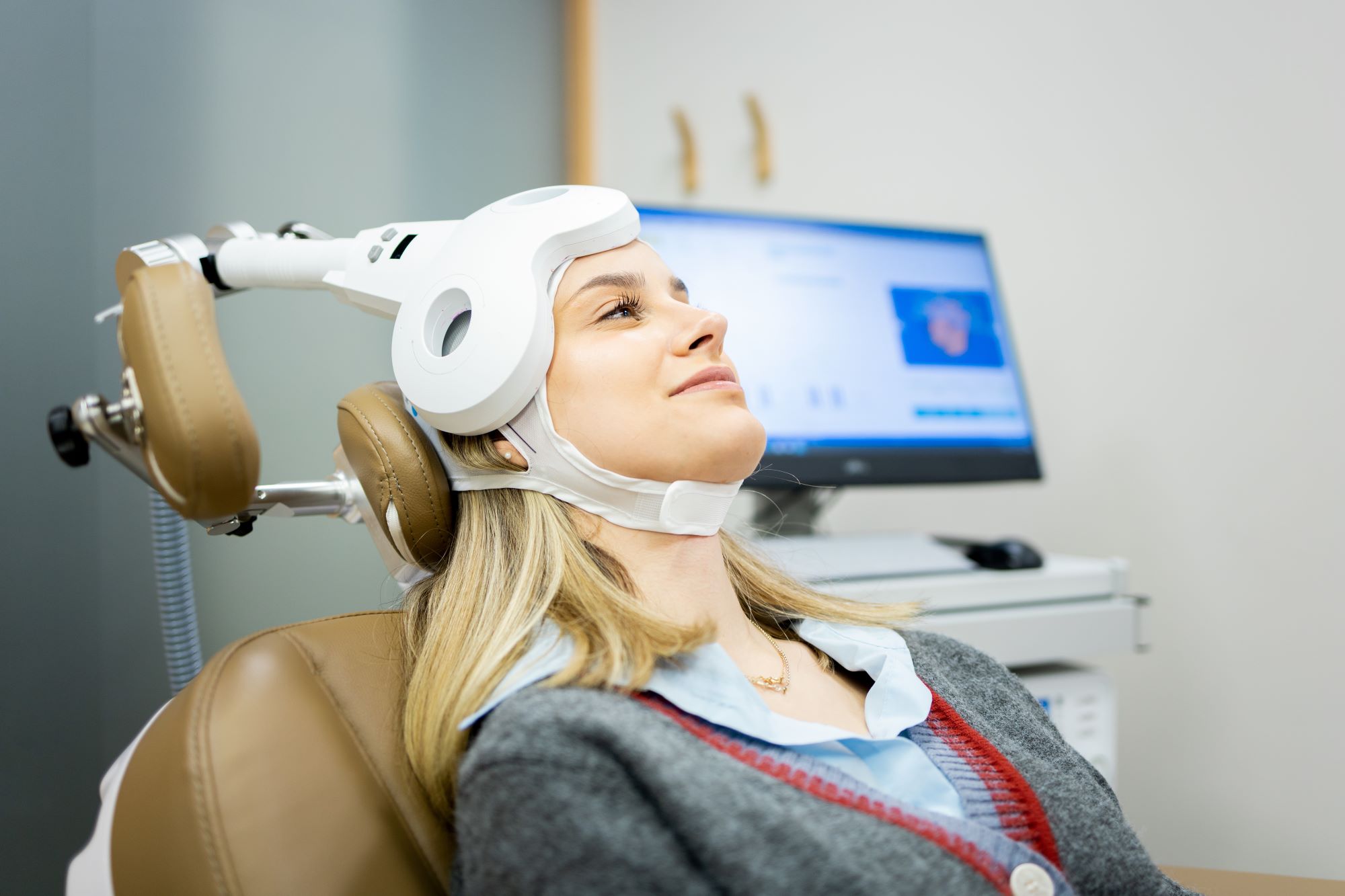
Electrical brain stimulation could improve mathematics learning in people with more difficulties

An international study with 72 participants has found that greater connectivity between certain brain areas is associated with greater mathematical computational ability. In addition, weak electrical stimulation in a particular area was associated with improved computational learning in volunteers with lower connectivity. The results are published in the journal Plos Biology.  

0

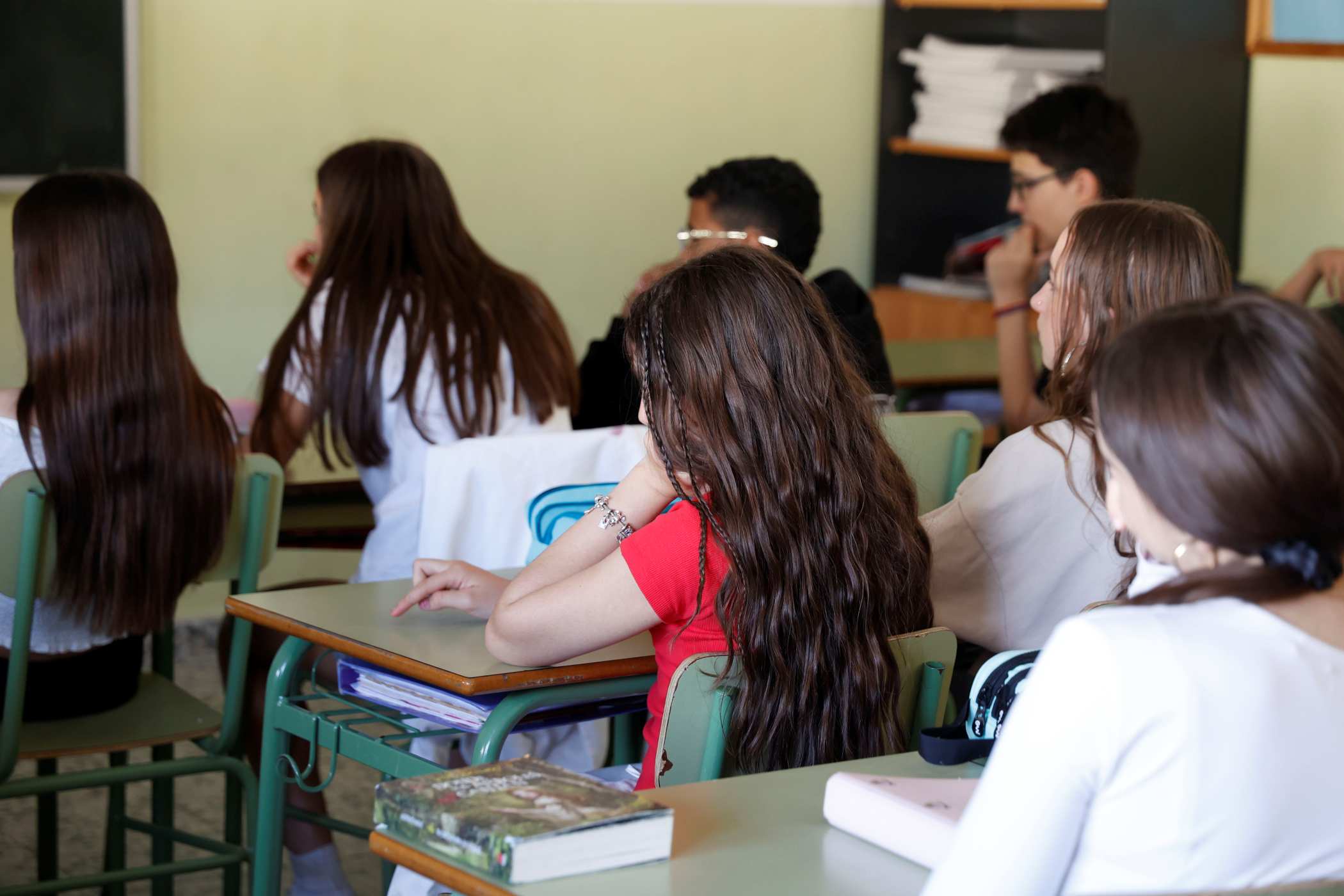
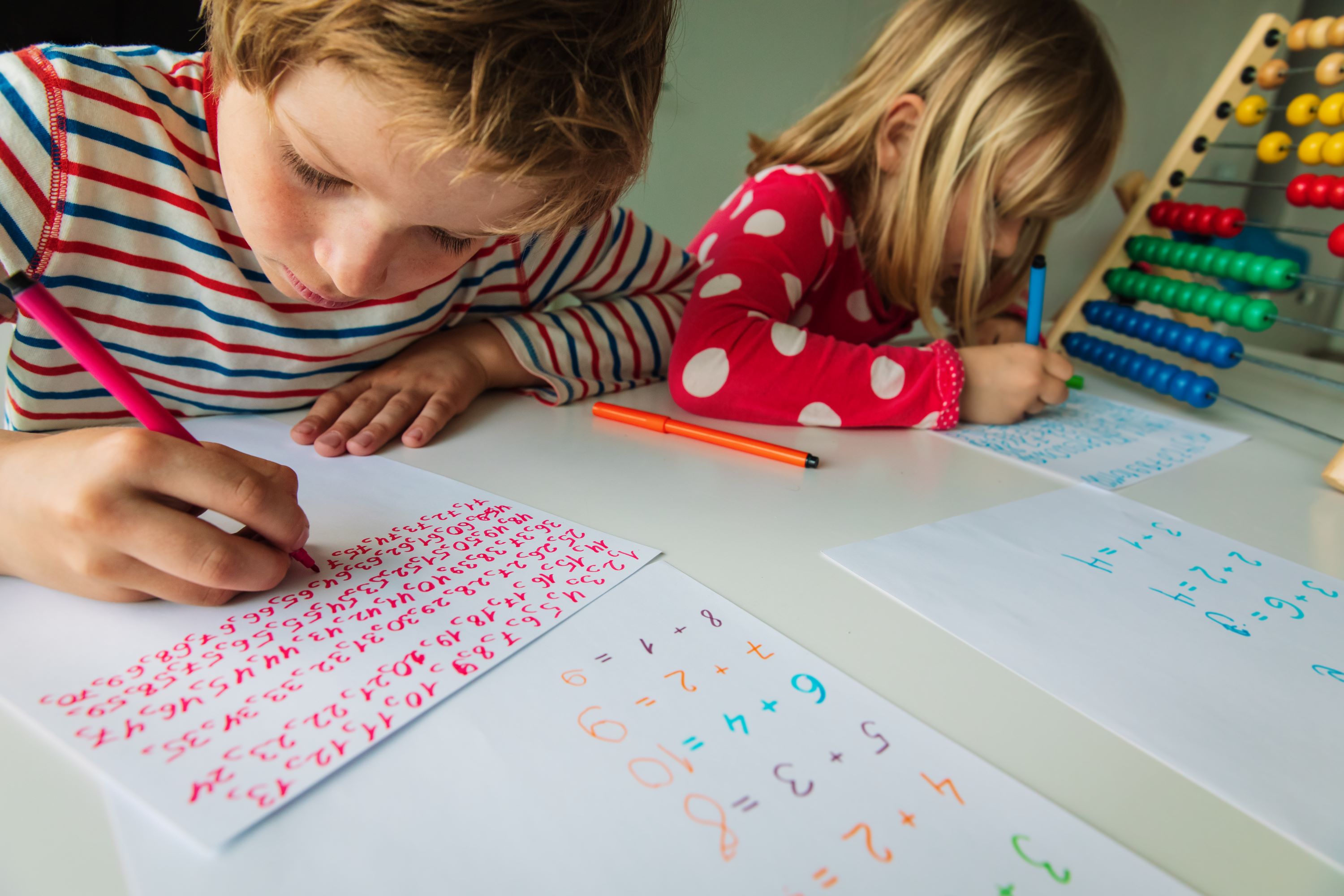
The gender gap in mathematics appears in the first year of primary school

A study evaluating the mathematical and linguistic performance of first- and second-year primary school students in France—more than 2.6 million children between 2018 and 2022—shows that the gender gap in mathematics appears within a few months of starting primary school. This gap increases with years of schooling, not with age, adds the research published in Nature.

0

Reactions: a mathematical model analyses what allows different languages to coexist

A study led by the University of the Balearic Islands proposes a mathematical model to understand quantitatively the impact of ideologies on the coexistence of various languages. The more groups of people with different linguistic preferences mix, the more challenging it becomes for different languages to coexist within the same society, say the authors, whose study is published in the scientific journal Chaos. The team says this model could be useful to design policies aimed at preserving minority languages.

0

Reactions: Luis A. Caffarelli wins the Abel Prize, the Nobel Prize in Mathematics, for his contributions to the regularity of partial differential equations

The Norwegian Academy of Science and Letters has awarded the Abel Prize to Luis A. Caffarelli, a native of Argentina with US-Argentine nationality, for his "fundamental contributions to the theory of the regularity of nonlinear partial differential equations". Considered the Nobel Prize of mathematics, the award recognises work over an entire career - unlike the Fields Medal, which is awarded for a result under the age of 40. Caffarelli has become the first Latin American to receive this award.

0

Why we should be concerned that mathematics research is less attractive to women

This year's theme for 8M is "For an inclusive digital world: innovation and technology for gender equality". If we want to innovate for everyone, there must be women doing research in mathematics, an essential discipline in the fields of technology, finance and health. However, the future of mathematical research in Spain has a male profile and this is worrying: advances and major decisions will be made excluding half of the population.

1

Reactions to the Fields Medal awarded to Maryna Viazovska, the second woman to receive mathematics' highest award

Ukrainian mathematician Maryna Viazovska was today awarded one of four Fields Medals, considered the Nobel Prize in mathematics. After Iran's Maryam Mirzakhan, who received it in 2014, she is the second woman to be honoured with this prestigious award.

0