psychiatry

psychiatry

psychiatry

A review confirms major differences in the cardiometabolic side effects of 30 antidepressants

Different antidepressant drugs cause different side effects in the body, in parameters such as heart rate, blood pressure or body weight, according to a meta-analysis published by The Lancet. For example, agomelatine administration is associated with weight loss, while other molecules such as maprotiline are associated with weight gain. The research brings together 151 studies and 17 reports from the US Food and Drug Administration (FDA), including more than 58,000 people and comparing 30 antidepressant drugs with a placebo.

0

An antipsychotic proves effective in treating schizophrenia when taken orally weekly rather than daily

An oral formulation of risperidone could be administered weekly instead of daily to treat patients with schizophrenia with the same efficacy, according to a phase III clinical trial published in The Lancet Psychiatry. The study included 83 patients in the United States.


0

Teenagers with mental health problems spend more time on social media, UK study finds

A team has analysed data from a survey of more than 3,000 teenagers aged 11-19 in the UK. Their findings show that those with mental health problems spend an average of 50 minutes more per day on social media than those who do not suffer from them. According to the authors, who publish the results in the journal Nature Human Behaviour, further research is needed to know if this is a causal relationship.

0

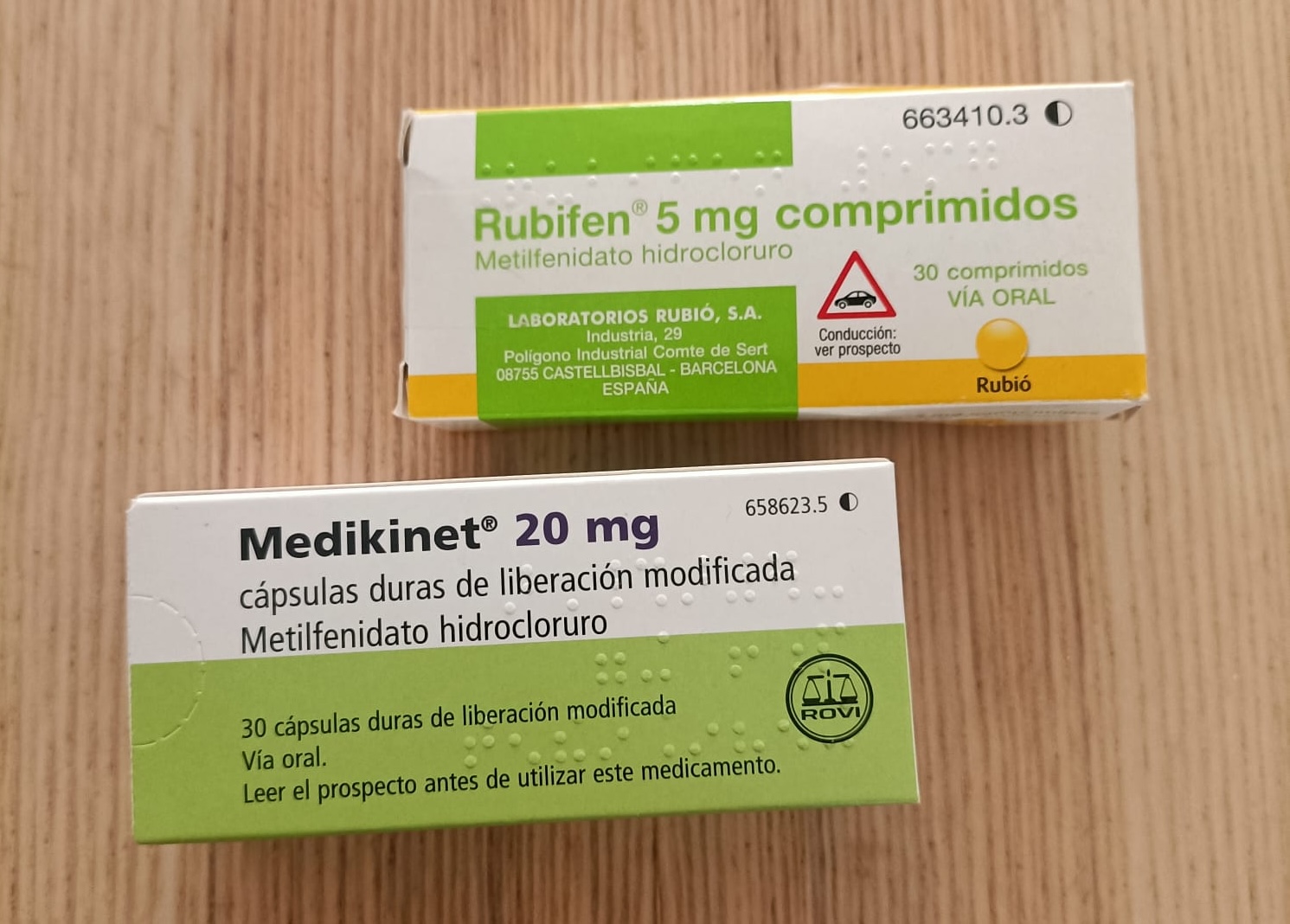
Most ADHD drugs, not just stimulants, affect heart rate and blood pressure

An international team has carried out a review of studies and a meta-analysis on the cardiovascular safety of the drugs used to treat ADHD (attention deficit hyperactivity disorder). Their conclusions are that most of them, and not just the stimulants, affect the pulse and blood pressure. According to the authors, who publish the results in the journal The Lancet Psychiatry, although the changes are slight, ‘professionals should monitor blood pressure and pulse in patients with ADHD treated with any pharmacological intervention’.

0

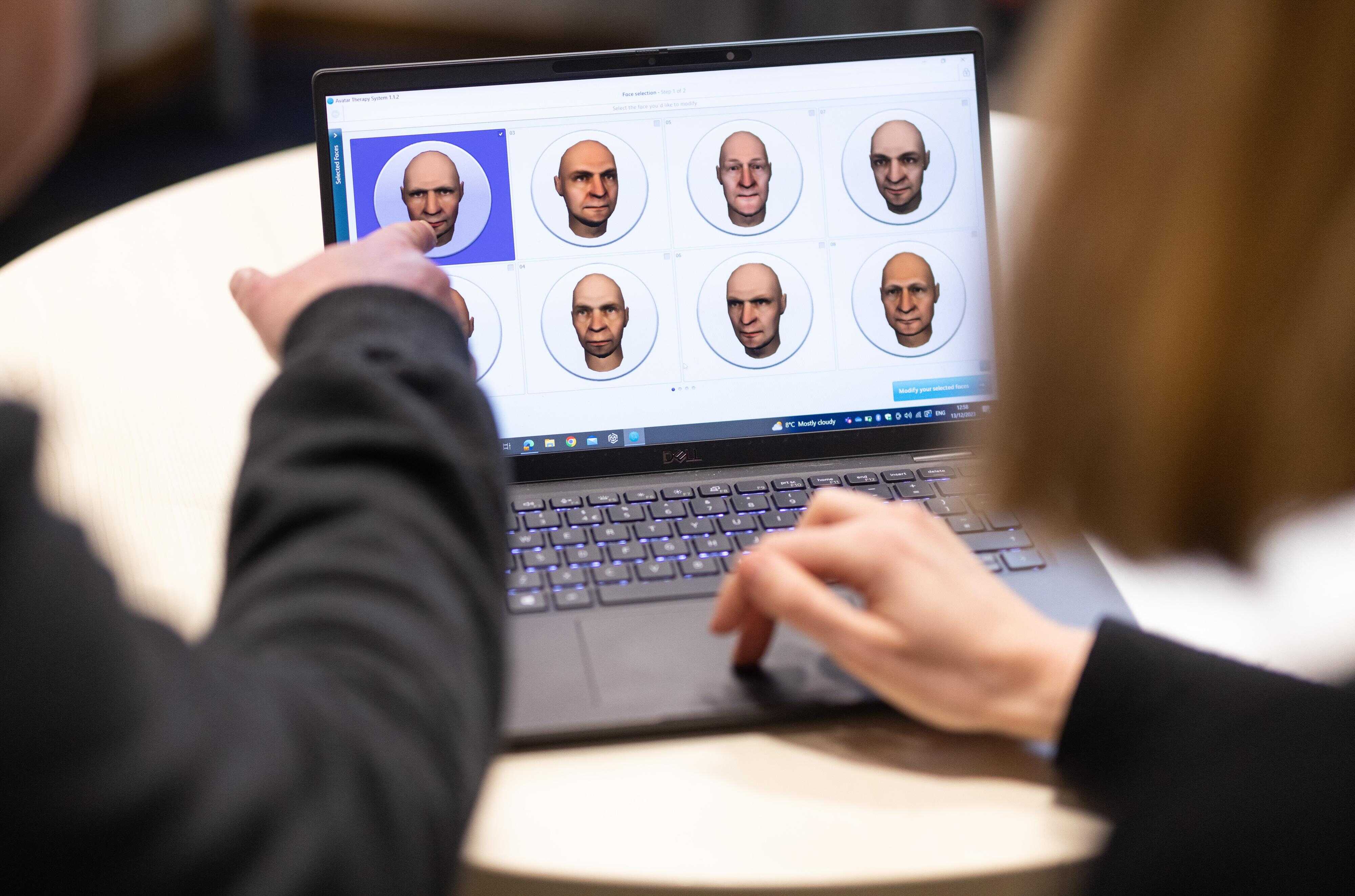
Clinical trial tests digital avatar to treat voices in people with psychosis

A team of researchers from the United Kingdom has conducted a phase 2/3 clinical trial in people with a psychotic disorder to study the efficacy of interaction with a digital avatar in alleviating the discomfort generated by hearing voices. After analyzing it in 345 people, they conclude that it can reduce the frequency of occurrence at 16 and 28 weeks. The discomfort provoked is reduced at 16 weeks, but not at 28 weeks. The team publishes the results in the journal Nature Medicine.

0

Home brain stimulation device improves symptoms of depression, clinical trial finds

A phase 2 clinical trial has tested the efficacy and safety of a transcranial magnetic stimulation device used at home to treat major depression in 174 patients. After dividing them into two groups, one group received the treatment and the other a placebo procedure. After ten weeks, both groups had improved their symptoms, but the improvement in the active treatment group was 0.4 points greater on the Hamilton depression scale. According to the authors, who publish the results in the journal Nature Medicine, ‘it could potentially serve as a first-line treatment for major depression’.

0

Self-harm remains neglected globally, with at least 14 million episodes per year

A report by the Lancet Commission on Self-Harm highlights that at least 14 million episodes of self-harm occur each year - particularly among young people and in low- and middle-income countries. The paper argues that their impact has been neglected by governments globally and sets out a series of recommendations to reduce their incidence. 

0

High body mass index in childhood may be linked to increased risk of schizophrenia

A study published today in Science Advances suggests that there may be a correlation between having a high body mass index (BMI) in childhood and developing schizophrenia later in life. However, the study also indicates that having a higher BMI in adulthood may be correlated with a lower risk of schizophrenia and obsessive-compulsive disorder.

0

Use of drugs such as Ozempic is not associated with an increased risk of suicide

The use of GLP-1 analog diabetes drugs-such as semaglutide, sold under the trade name Ozempic-is not linked to an increased risk of suicide, according to two studies published in JAMA Internal Medicine. The first, led by a U.S. team, analyzes data from more than 3,300 people who have participated in clinical trials. The second analyzes data from 124,517 users of these drugs in Sweden and Denmark, and compares them with an even larger group of people who used another type of diabetes medication.

0