Celia Díaz

Celia Díaz

Celia Díaz
Position

Permanent professor at the TRANSOC Institute of the Complutense University of Madrid

A review identifies what most influences polarization on health issues

A study by the University of Cádiz has identified six factors that drive polarization around health-related issues, for example during crises such as the COVID-19 pandemic: political ideology, misinformation, social media dynamics, trust in institutions and professionals, risk perception, and socioeconomic factors. This review, published in Science Advances, brings together the conclusions of 90 previous studies and analyzes how these determinants exacerbate health inequalities and influence compliance with public health measures.

0

More than 40% of Americans will lose confidence in public health recommendations following changes in federal leadership

A survey conducted in the United States by the Harvard Opinion Research Program shows that more than four in ten American adults (44%) say that changes in federal leadership will cause them to lose confidence in the recommendations of public health agencies, compared to 28% who say they will trust them more. The survey, which included a sample of more than 3,300 participants aged 18 and older, also revealed that other health issues have strong support among Democrats and Republicans, such as chronic disease prevention, pandemic protection, and reducing maternal and infant mortality.

0

Populist attitudes towards science in Spain analysed

Populist movements often pit people against political elites, but they can also target academic elites. Science-related populism pits ‘ordinary people’ and common sense against academic elites and scientific knowledge. A report published by FECYT analyses this phenomenon in Spain for the first time. Science Media Centre España organised an informative meeting with its authors to explain the main results.

0

Are punitive measures on unvaccinated people against covid effective?

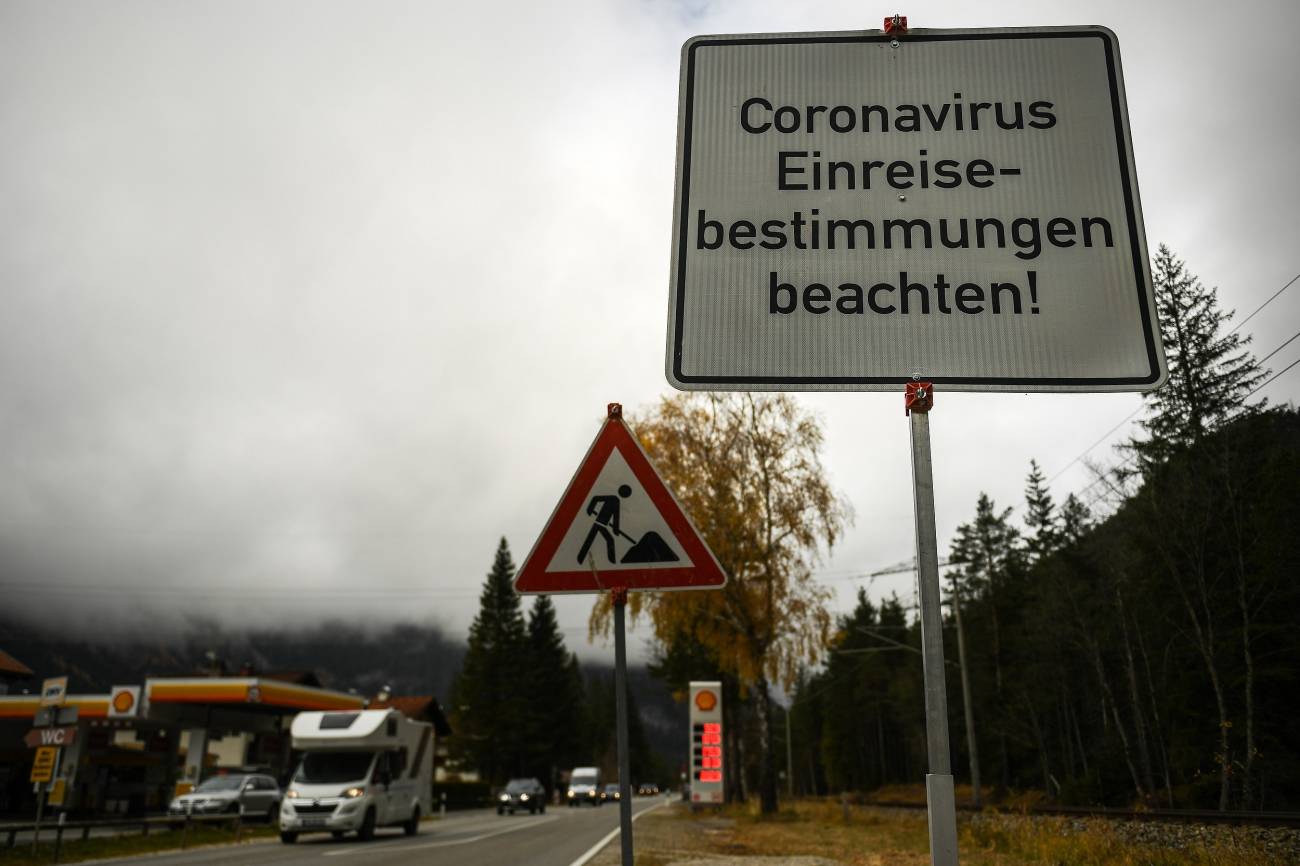
European countries are implementing anti-covid strategies in the unvaccinated population. Austria will make vaccination mandatory after extending its confinement targeting the unvaccinated to the entire population. In Germany, the unimmunized have restricted access to restaurants and hotels, and must show a negative test on public transport. Slovakia has also imposed restrictions on those who have chosen not to be vaccinated. Sweden will introduce a covid passport at events of more than 100 people. What is the effect of these policies?

0