Daniel Montoya

Daniel Montoya

Daniel Montoya
Position

Research proffesor at Ikerbasque, the Basque Centre for Climate Change (BC3)

Extensive livestock has declined in regions such as Europe, and this has ecological consequences, according to a study

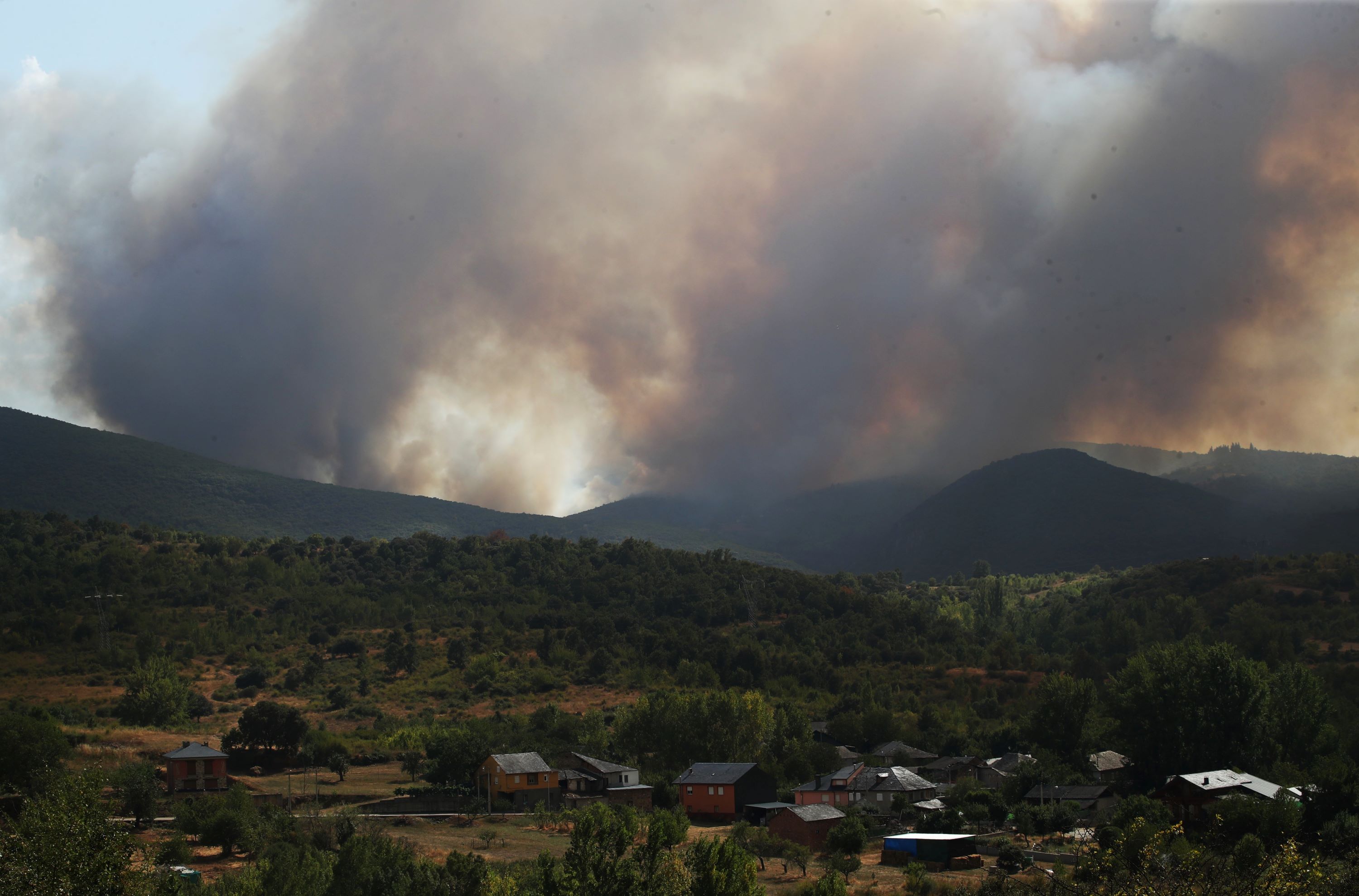
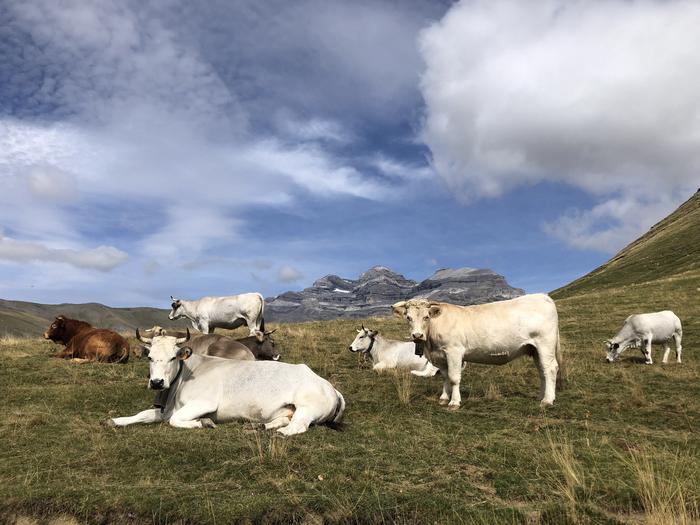
Although extensive livestock farming has increased in some regions, it has also decreased in 42% of pastures dedicated to this purpose, according to a study published in the journal PNAS that analyses data from 1999 to 2023. The decline has occurred in wealthy areas of the world, such as Europe, North America and Australia, where consumption trends have shifted towards animals such as pigs and chickens. The increase was seen in poorer areas, specifically in Africa, Asia, South America and Central America. The authors of the study, one of whom is Spanish, state that ‘reductions in livestock stocking rates can have significant ecological consequences at regional and global scales,’ affecting biodiversity and fire regimes.

0

COP16 agrees to adopt first global plan to finance nature conservation

The 16th meeting of the United Nations Conference on Biodiversity (COP16) in Rome has concluded with an agreement to adopt the first global plan for financing nature conservation, after three days of meetings. This meeting meant resuming the negotiations that began last October in Cali (Colombia), where the parties failed to reach an agreement on how to finance the Kunming-Montreal Global Biodiversity Framework reached at COP15, which aims to protect a third of the land and oceans by 2030.

0

Europe faces a seed dispersal crisis due to changes in animal populations

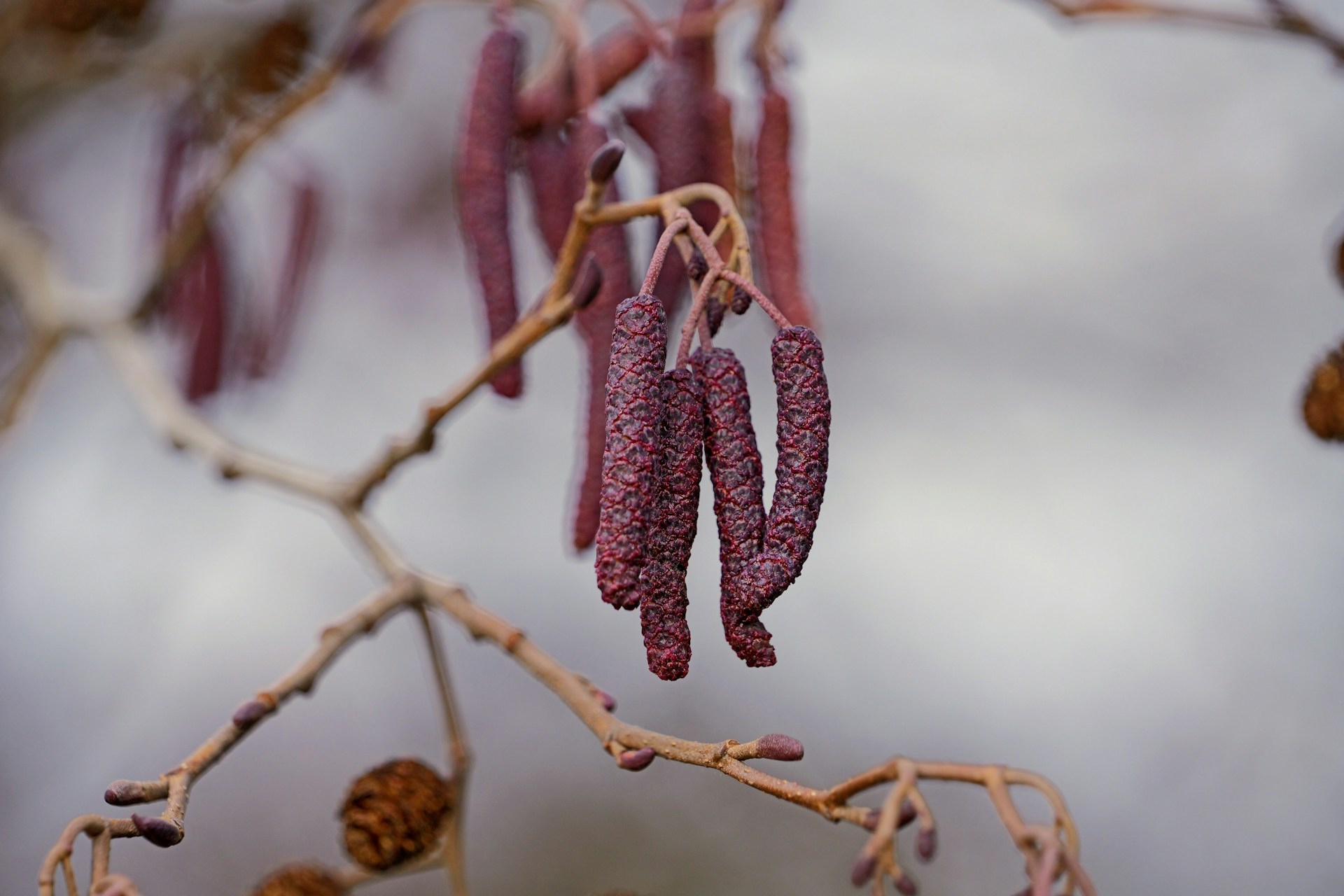
An international team of researchers has reconstructed the first European seed dispersal network based on a literature review. The data indicate that extinction threats and demographic changes in the animals that disperse them have resulted in 30% of plant species having their dispersers listed as 'high concern.' The lack of seed dispersal could hinder the recovery of declining plant populations. The authors publish their results in the journal Science. 

0