There is insufficient evidence that most complementary treatments for in vitro fertilization improve fertility
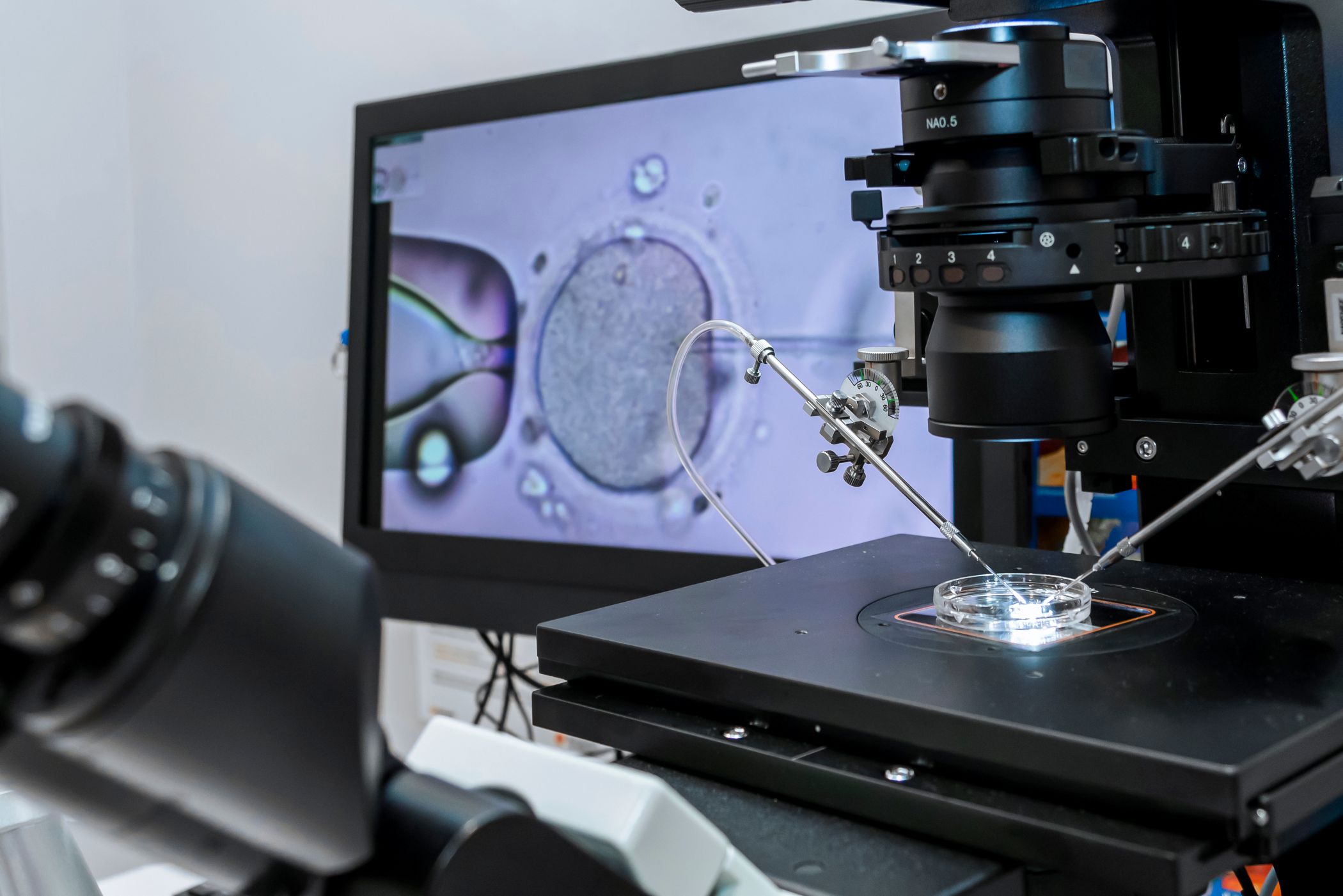
A systematic review with a meta-analysis published in The Lancet Obstetrics, Gynecology, & Women’s Health concludes that there is insufficient evidence that most complementary treatments for in vitro fertilization (IVF) improve fertility in patients undergoing this procedure. Some of these techniques involve introducing platelet-rich plasma into the uterus or ovaries, administering a lipid infusion into the bloodstream, administering corticosteroids, or performing preimplantation genetic testing to detect aneuploidies—that is, abnormalities in chromosome number. According to the study, which included 85 clinical trials, there is only evidence—albeit of low quality—suggesting a possible benefit from three treatments: EmbryoGlue—a method of embryo transfer containing hyaluronic acid—endometrial scraping, and physiological intracytoplasmic sperm injection—a technique for selecting sperm.