Professor of Regional Geographical Analysis at the University of Alicante
Jorge Olcina
Jorge Olcina
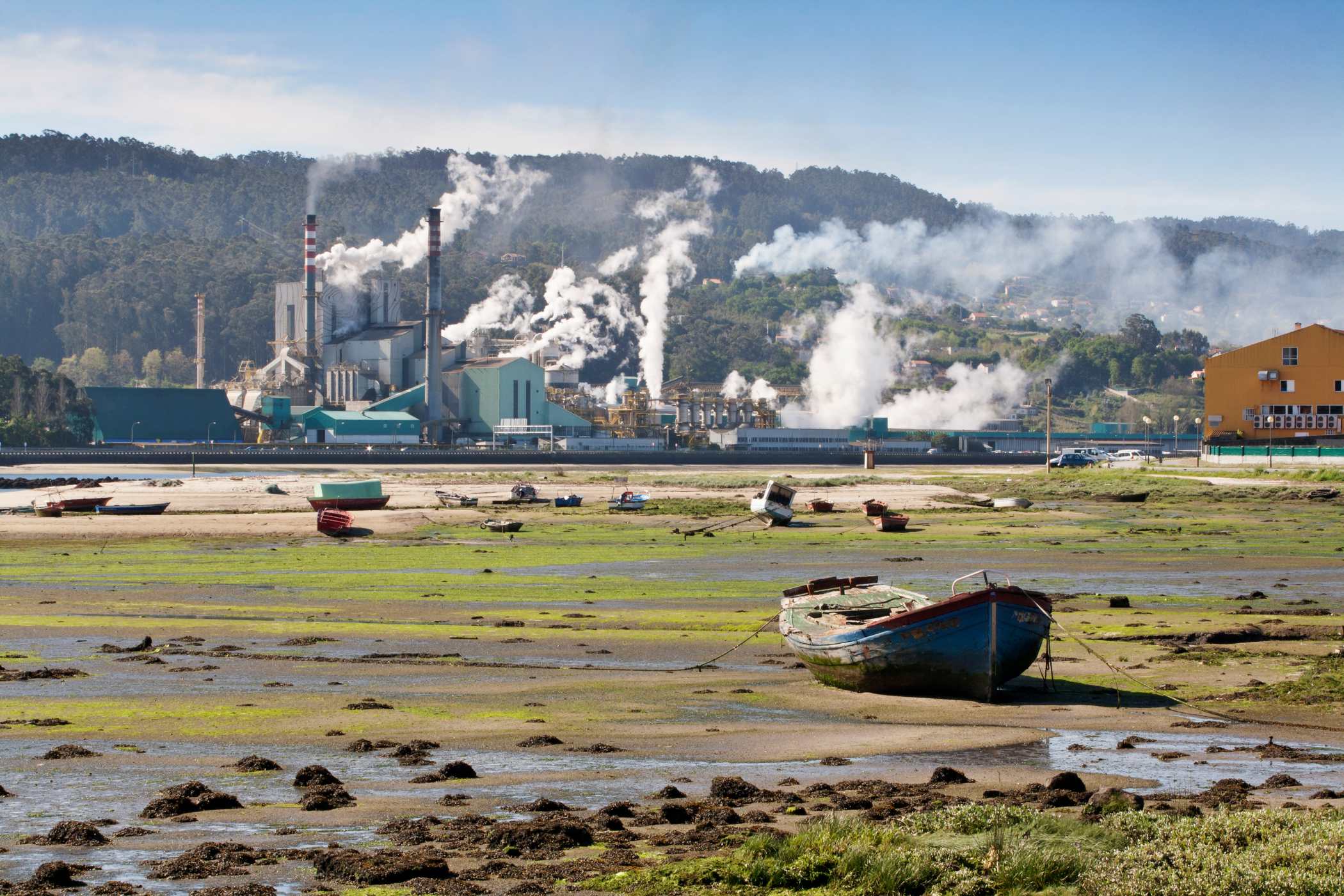
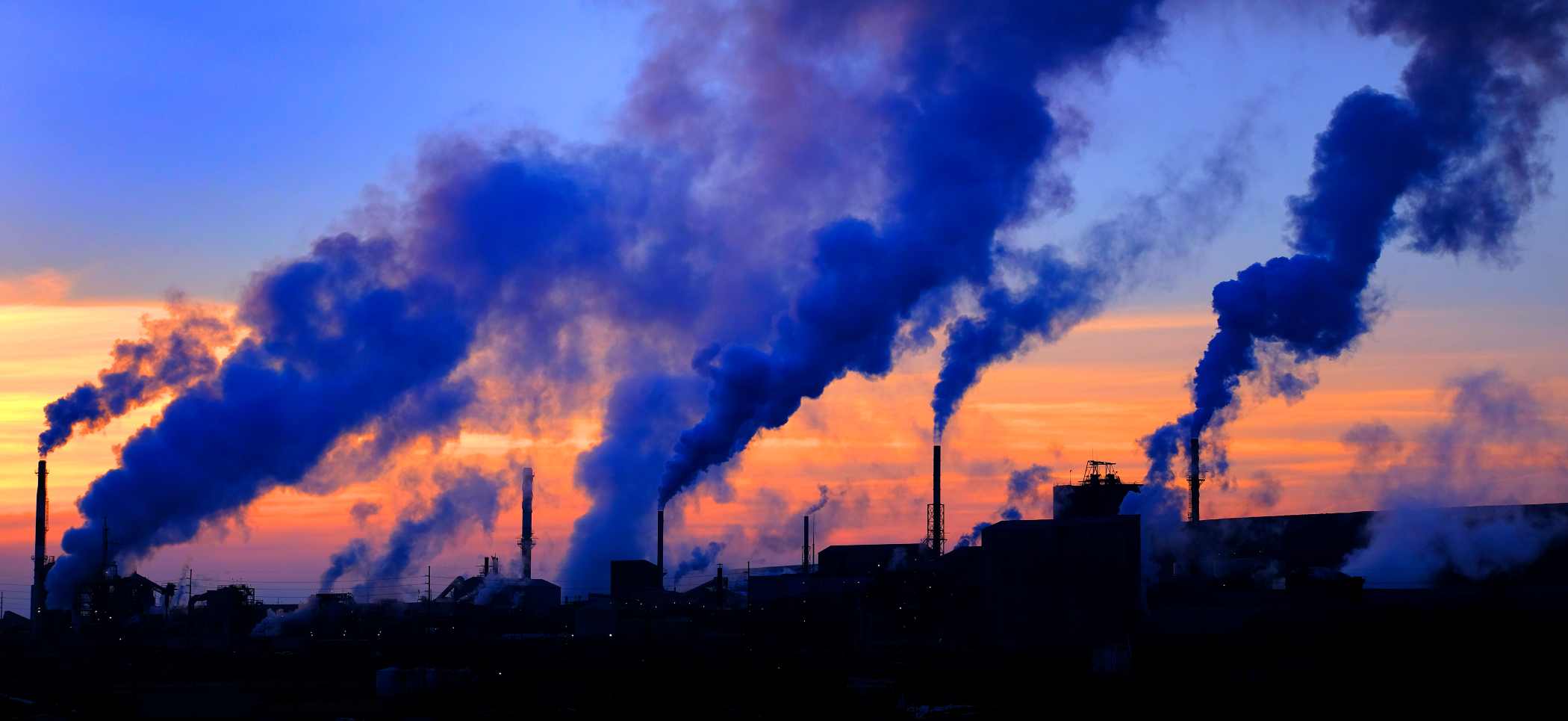
Historical carbon emissions will generate greater economic costs in the future than they have already caused to date
The economic costs of CO₂ emissions can be calculated in three ways: through the historical damages resulting from past emissions; through the expected future damages caused by those past emissions; and through the expected future damages from current or future emissions. A study published in Nature concludes that the future economic costs associated with past emissions could be at least ten times higher than the costs already incurred from those same emissions. The authors estimate that one tonne of CO₂ emitted in 1990 caused $180 (around €155) in global damages up to 2020, but will generate an additional $1,840 (nearly €1,590) by 2100. The analysis covers countries, high-net-worth individuals and major companies, as well as behavioural patterns, including taking an additional long-haul flight each year or choosing a non-vegetarian diet.
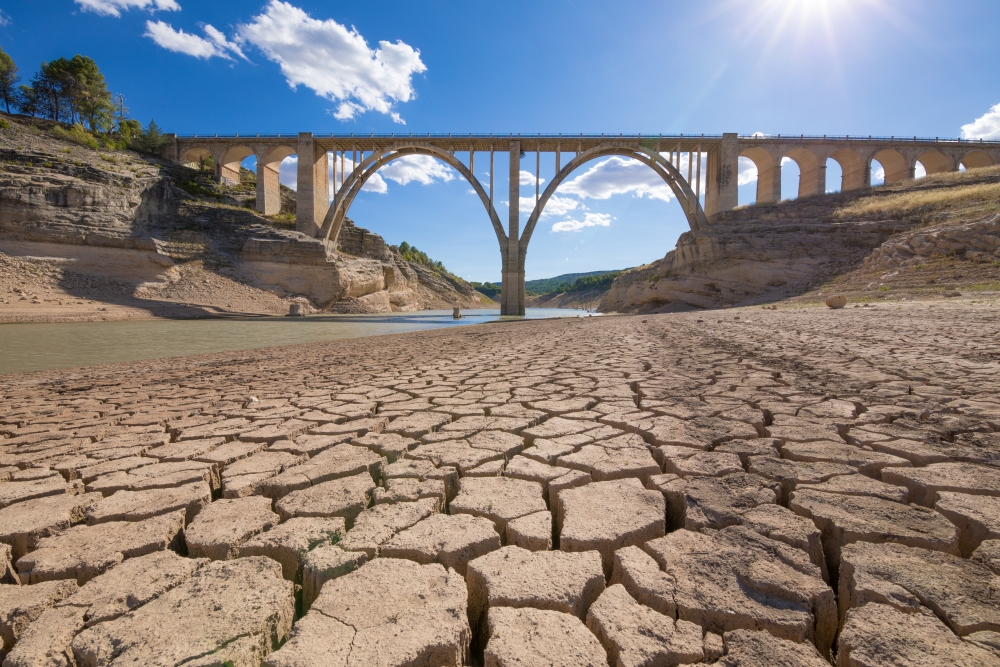
Report estimates 8% loss of GDP by 2050 due to global water crisis
An international report by the Global Commission on the Economics of Water says the water crisis puts more than half of the world's food production at risk by 2050. It also claims that it threatens an average loss of 8% of GDP in countries around the world by 2050, with losses of up to 15% in the lowest income countries.