José-Miguel Carretero Díaz

José-Miguel Carretero Díaz

José-Miguel Carretero Díaz
Position

Professor of Palaeontology and Director of the Human Evolution Laboratory at the University of Burgos
 

New evidence confirms that the oldest known hominid walked on two legs 7 million years ago
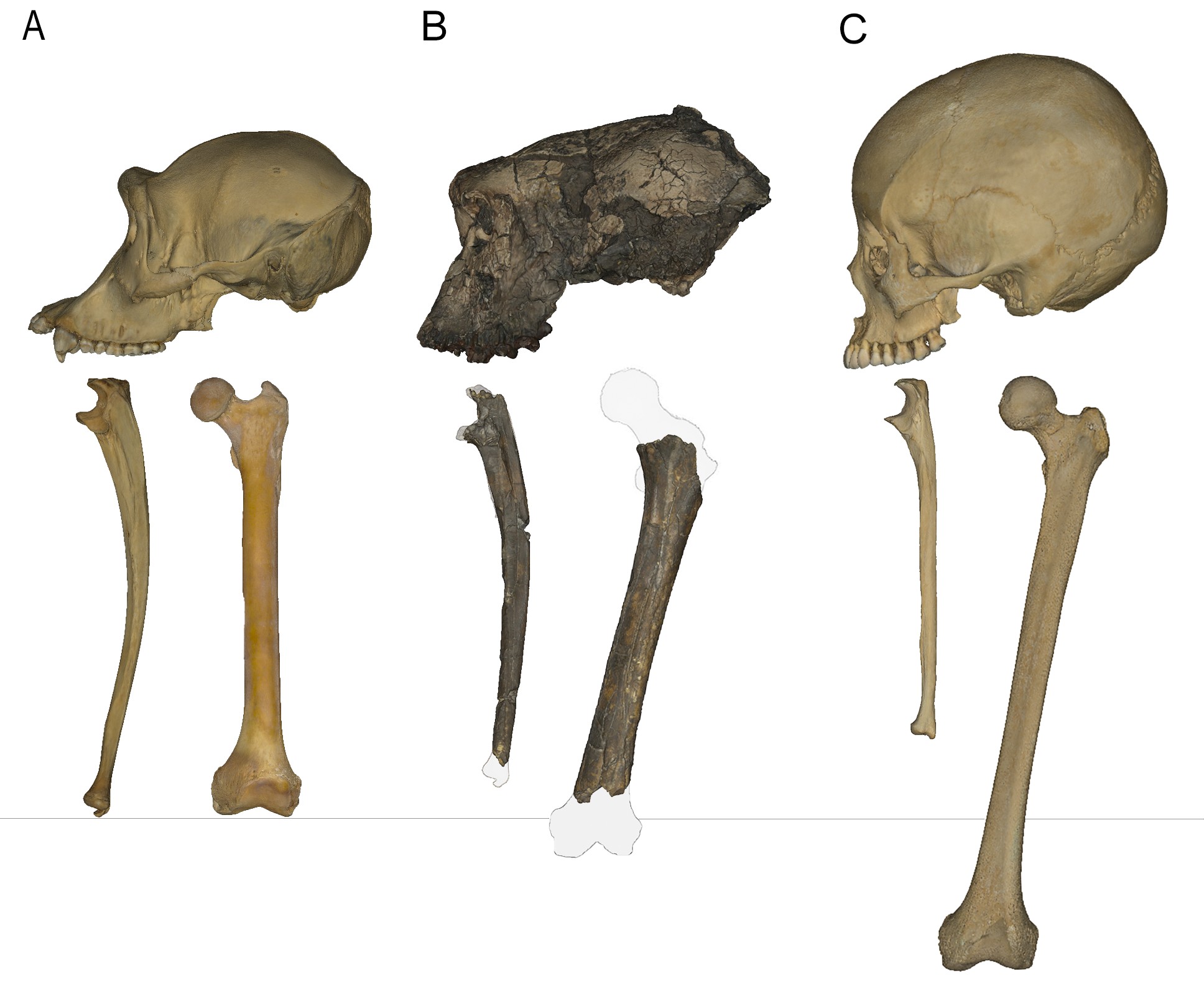
A US research team presents new evidence in Science Advances that Sahelanthropus tchadensis was a biped that evolved from an ape ancestor. Based on the study of two partial ulnas and a femur, they conclude that S. tchadensis—the oldest known hominid, which lived around 7 million years ago—had bones similar in size and shape to those of chimpanzees, but with a relative proportion more similar to that of hominids.

0
Two changes in the human pelvis that were key to walking on two legs discovered

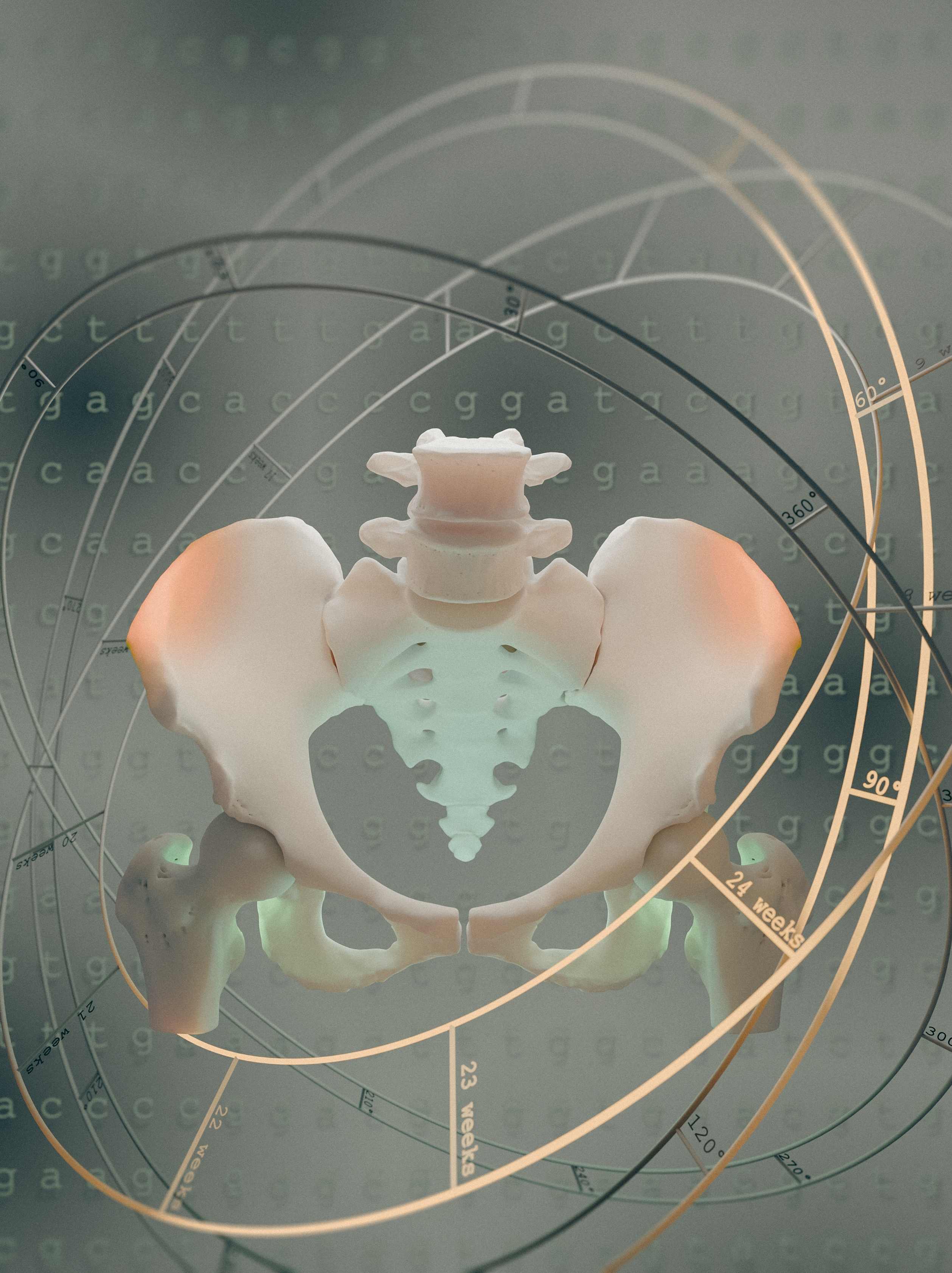
The upper part of the human pelvis, the ilium, underwent two major structural changes during evolution that enabled humans to walk on two legs. One was the formation of cartilage and the second was the process of bone formation. New research identifies differences in the way bone cells are deposited on cartilage in the human ilium, compared to other primates and human long bones. The study, published in Nature, lays the genetic and evolutionary foundations for bipedalism, according to the authors.

0