Pilar Brufau

Pilar Brufau

Pilar Brufau
Position

Researcher and Lecturer in the Department of Materials and Fluids Science and Technology at the University of Zaragoza

Global water reserves continue to decline, with serious social and economic implications
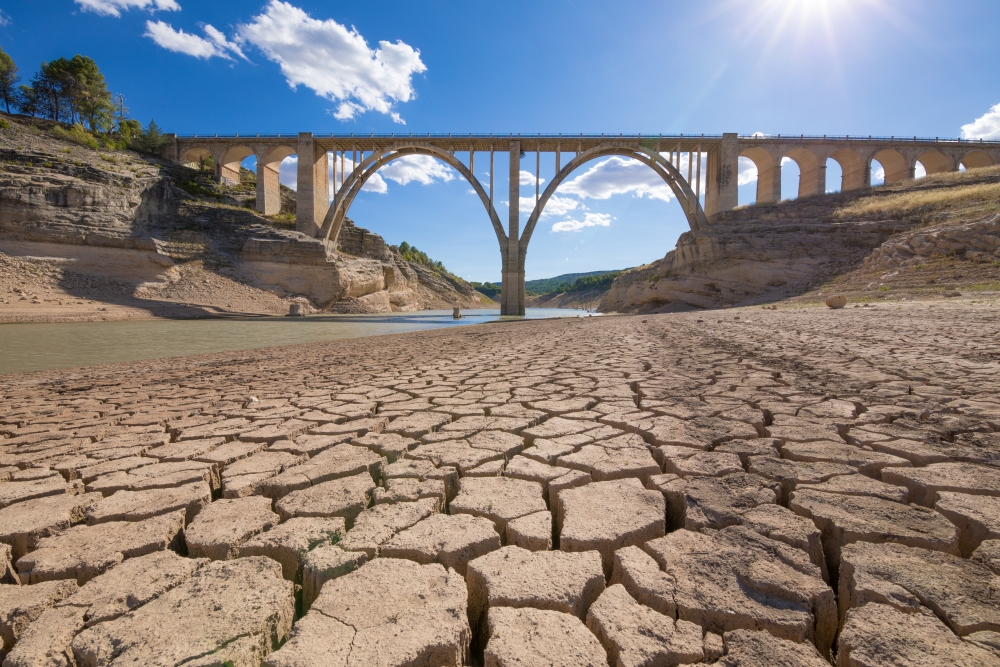
According to a report published by the World Meteorological Organisation, 2025 has been one of the driest years in more than three decades for rivers worldwide. Global water reserves have been declining for more than 10 years, and this is the fourth consecutive year in which glacier losses have been recorded across all regions. Although rainfall in the Iberian Peninsula was above normal in the summer, the west and north-west of Spain experienced a reduction in rainfall of up to 75 per cent below average.
  

0
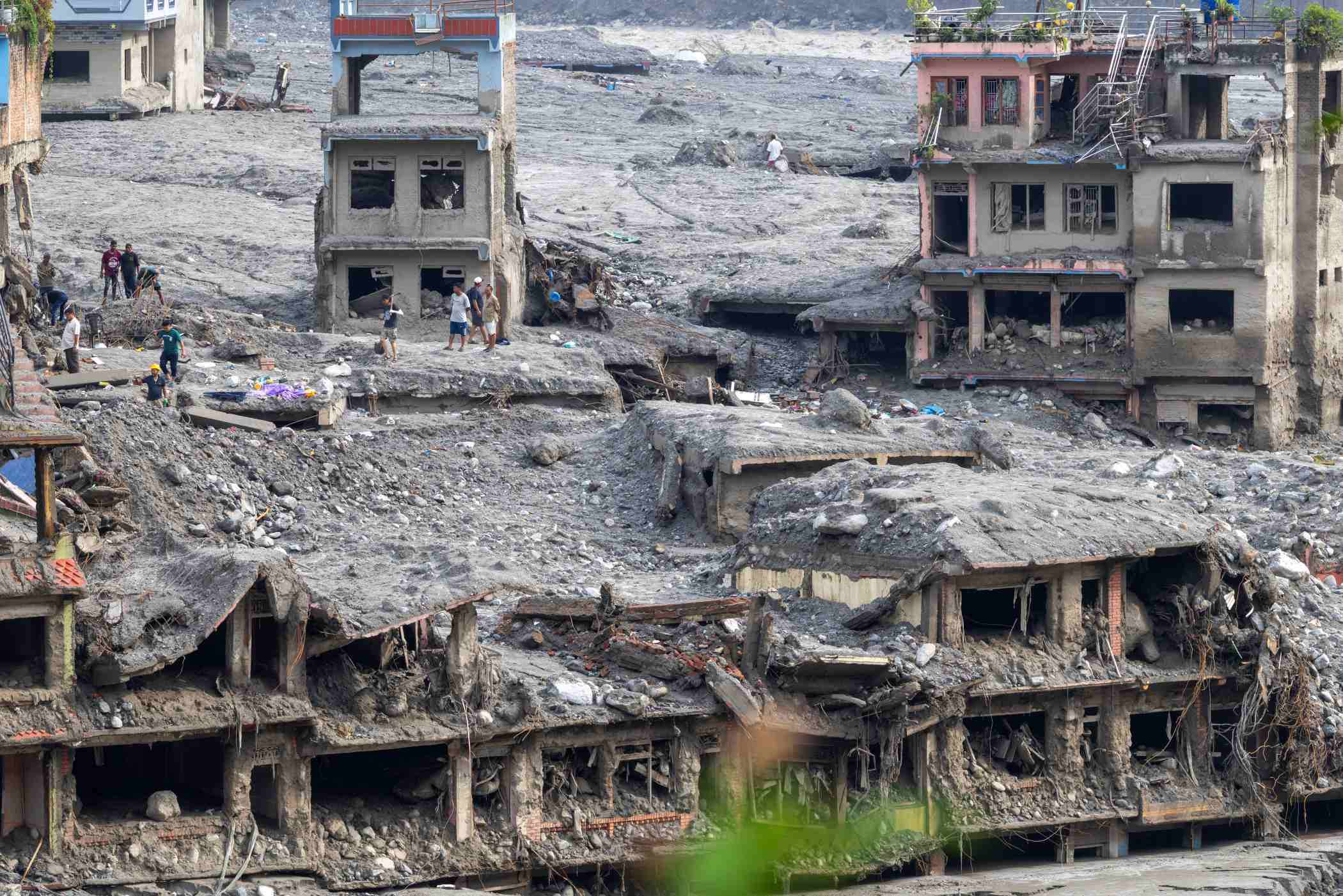
A study confirms that the thawing of permafrost and the weakening of glaciers due to climate change contributed to the flash floods in Nepal

A combination of geological and climatic factors — the latter influenced by anthropogenic climate change — lay behind the catastrophic rock and ice avalanche last August on Nepal’s northern border, according to a review carried out by World Weather Attribution and glaciology experts. The team carried out an attribution analysis to examine the role of climate change in the rise in temperatures in July and August preceding the collapse, as well as in the region’s rainfall. According to the study, human-induced warming has raised the freezing line by around 100 metres per decade, leading to the thinning of glaciers and the thawing of the permafrost that held the mountain together. These factors, together with the destabilisation caused by a magnitude 7.8 earthquake in 2015, are believed to be the main causes of the landslide, which left more than a thousand people dead and thousands missing. 

0

A new study concludes that climate change intensified the flooding caused by the dana in Valencia in 2024

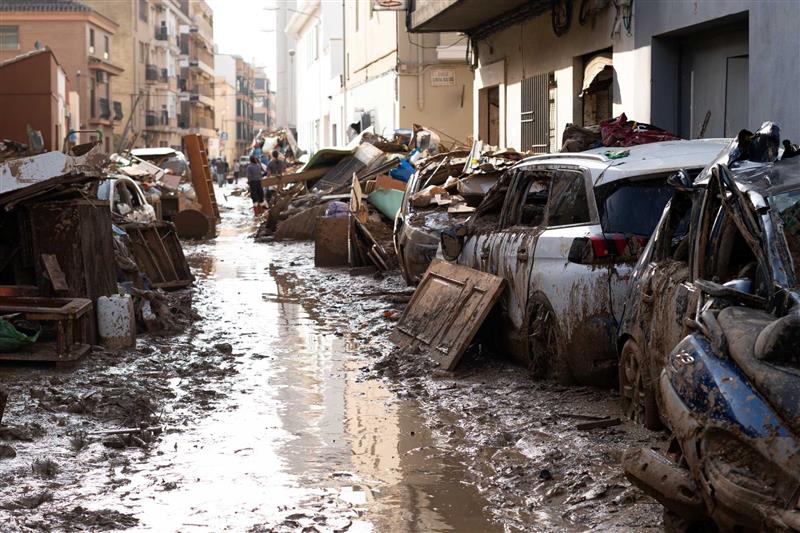
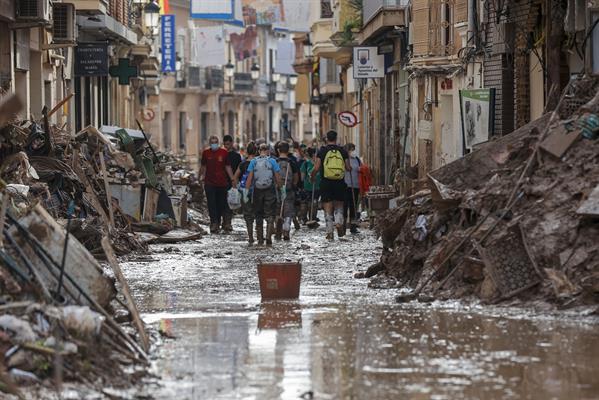
Human-induced climate change amplified the intensity and extent of the rainfall that affected Valencia during the October 2024 dana, according to a new attribution study involving several Spanish research centres. Using climate simulations, the study, published in Nature Communications, shows that present-day global warming conditions increased precipitation intensity by 21 %, expanded the area receiving more than 180 millimetres of rain by 56 %, and raised the total rainfall volume in the Júcar River basin by 19 % compared to a pre-industrial scenario. The authors highlight “the urgent need for effective adaptation strategies and improved urban planning to reduce the growing risks associated with extreme hydrometeorological events in a rapidly warming world.”

0

The heavy rainfall of the Valencia DANA was mainly due to climate change, according to a study

A study by a team from the ClimaMeter project claims that the intensification of rainfall from the DANA that devastated Valencia and other regions on 29 October is mainly attributed to human-induced climate change. Natural climate variability, on the other hand, probably played a modest role. According to the analysis, this DANA was driven by very exceptional weather conditions. The work also shows that the DANA-like depressions that cause flooding in the southeastern peninsular are up to 15 % wetter than they were in the past. In addition, temperatures are up to 3°C warmer, which favours storm formation in these events over the Mediterranean basin. 

0

Reactions: Study blames climate change and other human factors for severe flooding in Libya and Greece

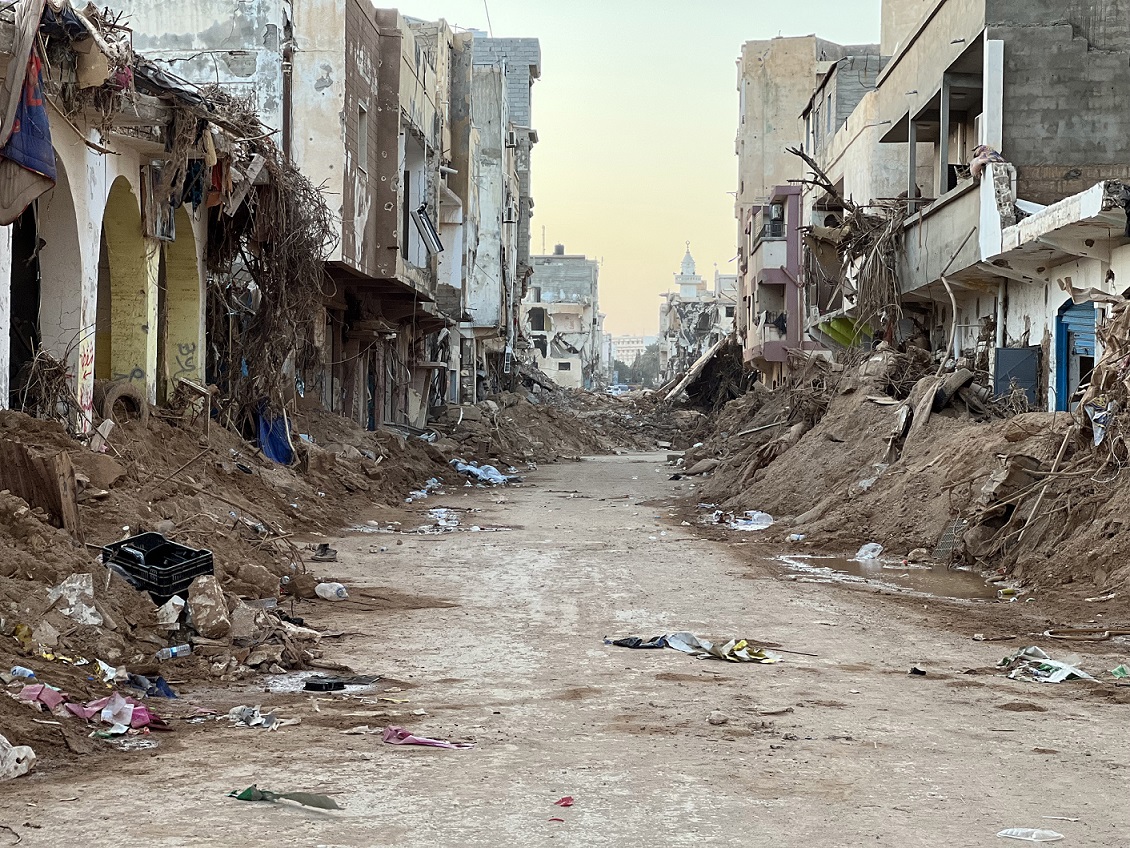
Las lluvias torrenciales caídas en Libia hace dos semanas fueron 50 veces más probables por el calentamiento global provocado por la acción humana. Algo similar ocurría con las lluvias caídas en Grecia, Bulgaria y Turquía, que fueron 10 veces más probables por el cambio climático, según concluye un estudio de atribución rápido de la Word Weather Attribution (WWA). La investigación apunta a que la tragedia en Libia se agravó por otros factores humanos, como construcciones en llanuras inundables y presas en mal estado. Los autores también analizaron las inundaciones registradas en España a principios de septiembre y concluyeron que precipitaciones tan intensas se esperan una vez cada 40 años. 

0