Rafael Cantón

Rafael Cantón

Rafael Cantón
Position

Head of the Microbiology Department at Ramón y Cajal University Hospital (Madrid)

Antibiotic use is falling across the EU, but infections caused by drug-resistant bacteria are on the rise, with increases in Spain exceeding the European average
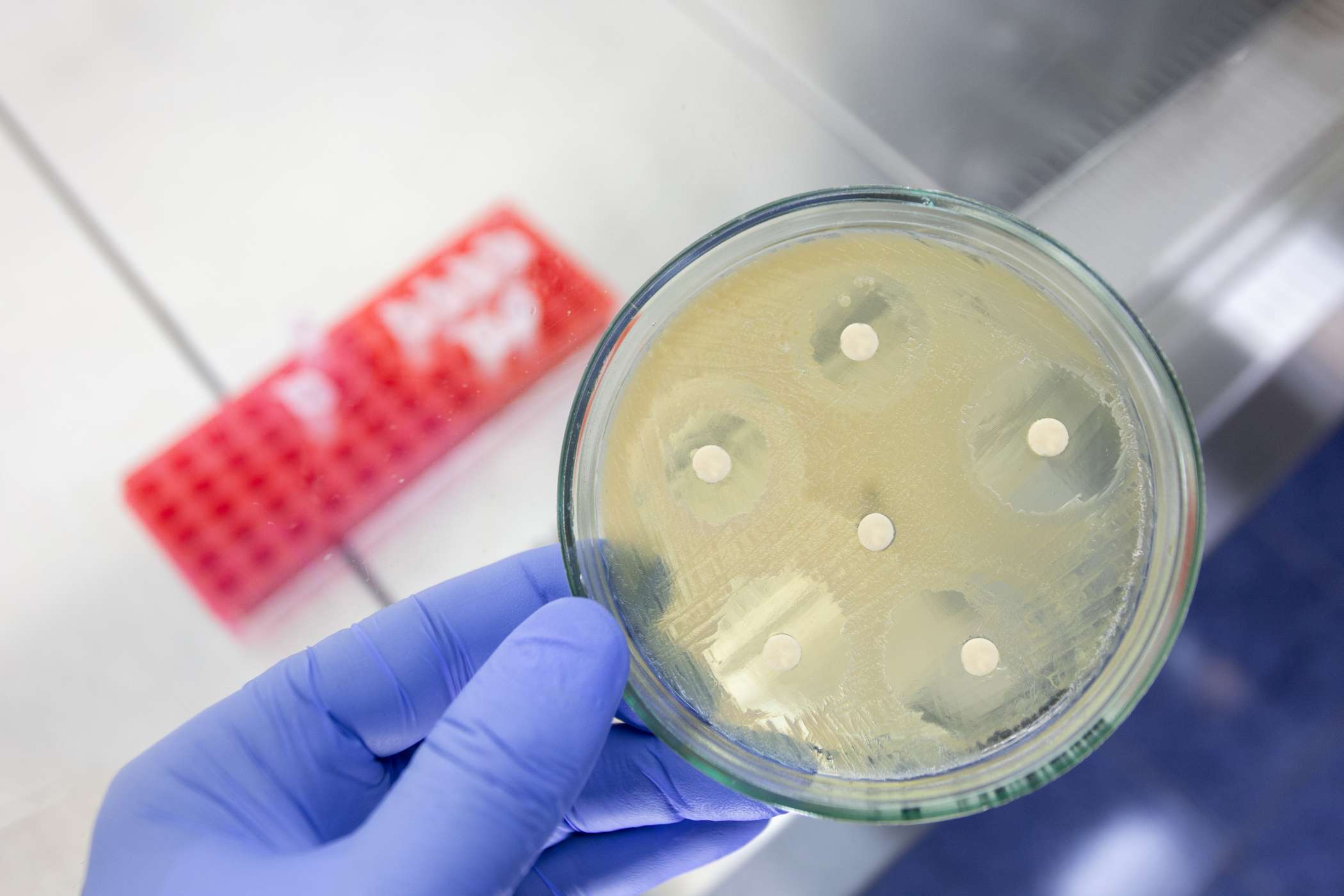
In 2025, the European Union (EU) reduced antibiotic consumption by 5 per cent compared with 2019, but infections caused by certain resistant bacteria continue to rise. According to the latest reports from the European Centre for Disease Prevention and Control (ECDC), during this period, bloodstream infections caused by carbapenem-resistant Klebsiella pneumoniae rose by 72 per cent, whilst those caused by third-generation cephalosporin-resistant E. coli rose by 16.4 per cent. In Spain, the latter increased by 76.1 per cent, almost five times more than in the EU as a whole. The agency warns that the EU is not making sufficient progress to meet several of the targets set for 2030 in the fight against antibiotic resistance.

0
A global study shows that almost all countries overuse antibiotics with a high potential to cause resistance

Most countries overuse antibiotics, particularly those with the greatest potential to cause resistance, according to a new study published in the journal The Lancet Public Health using data from 186 countries, including Spain. The study estimated optimal national levels of antibiotic use based on the World Health Organisation’s (WHO) AWaRe guidelines, which classify antibiotics into the ‘access’ group – first-line drugs, such as amoxicillin – the ‘caution’ group – more potent drugs with more restricted use – and the ‘reserve’ group – drugs of last resort, for resistant infections. Of the 67 regions with data on antibiotic use, 72 per cent used quantities exceeding those considered optimal, and 99 per cent overused antibiotics in the ‘caution’ group – those that contribute most to the development of resistance. High-income regions used fewer antibiotics than low- and middle-income regions.

0