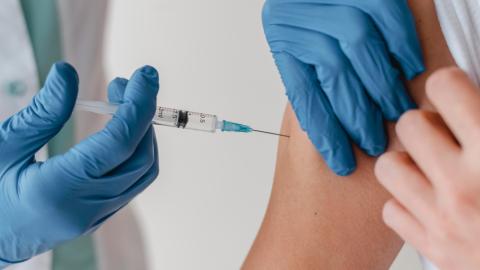
Antibiotic use is falling across the EU, but infections caused by drug-resistant bacteria are on the rise, with increases in Spain exceeding the European average
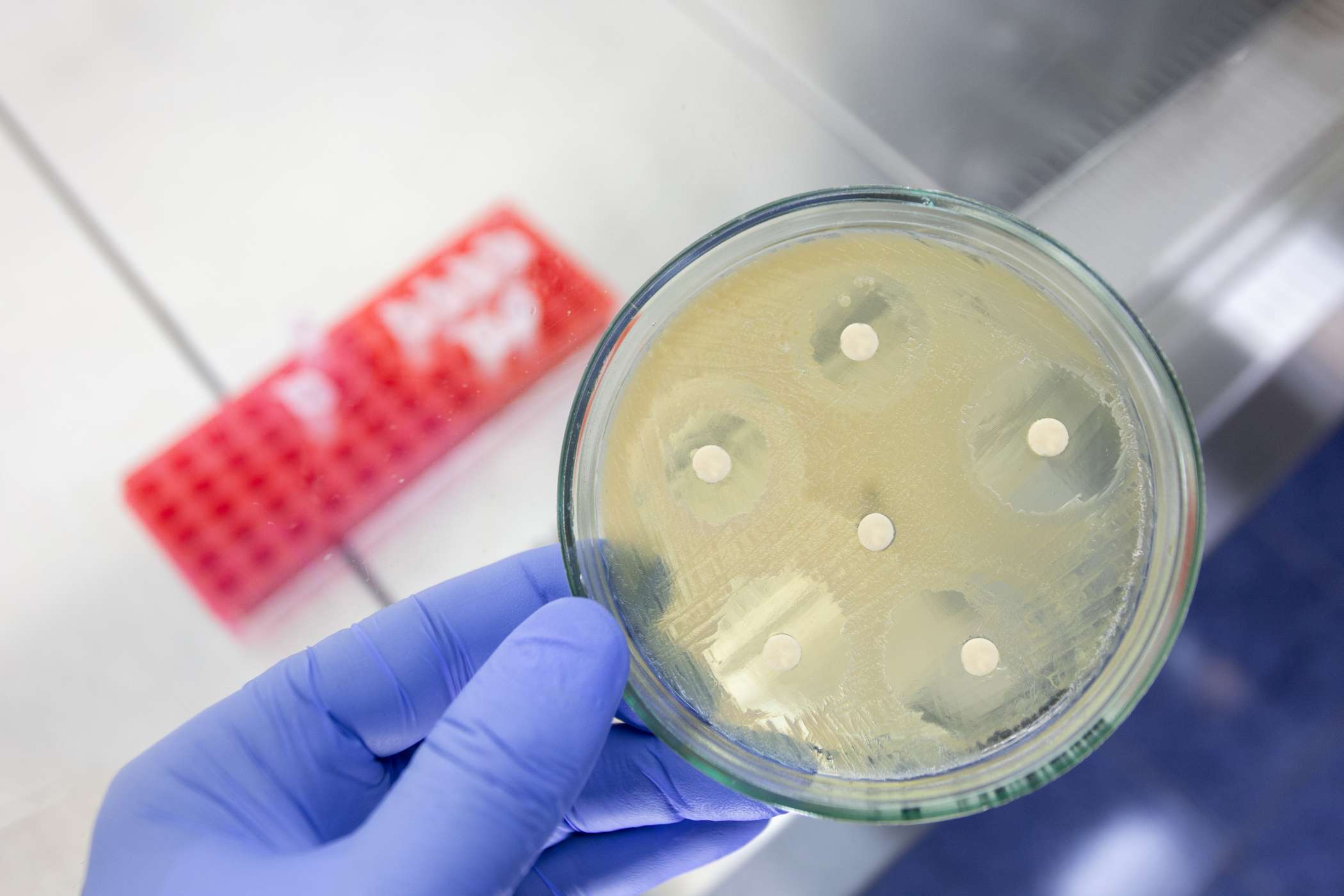
In 2025, the European Union (EU) reduced antibiotic consumption by 5 per cent compared with 2019, but infections caused by certain resistant bacteria continue to rise. According to the latest reports from the European Centre for Disease Prevention and Control (ECDC), during this period, bloodstream infections caused by carbapenem-resistant Klebsiella pneumoniae rose by 72 per cent, whilst those caused by third-generation cephalosporin-resistant E. coli rose by 16.4 per cent. In Spain, the latter increased by 76.1 per cent, almost five times more than in the EU as a whole. The agency warns that the EU is not making sufficient progress to meet several of the targets set for 2030 in the fight against antibiotic resistance.
Rafael Cantón - resistencia antibióticos
Rafael Cantón
Head of the Microbiology Department at Ramón y Cajal University Hospital (Madrid)
What is your assessment of the results?
“The results provided by the ECDC remain a cause for concern regarding the rise in antimicrobial resistance. They leave little room for optimism regarding the achievement of the targets set by the European Parliament and the European Commission to reduce resistance rates by 2030. Only a slight reduction in antimicrobial consumption is projected, estimated at 5 per cent. In this regard, Spain exceeds the European average and has managed to reduce antimicrobial consumption by 8.2 per cent between 2019 and 2025, with the majority of this reduction occurring in the community setting.”
How do these findings align with the existing evidence?
“The resistance data corroborate scientific publications reporting resistance in local studies and the emergence of increasingly complex microorganisms. These microorganisms harbour more than one resistance mechanism, which even affect the most modern antimicrobials recently brought to market or even those still undergoing clinical trials and in the pre-marketing phase.”
What limitations do these data have when it comes to interpreting the evolution of antibiotic resistance and comparing the situation between countries?
“The data are limited to invasive infections, essentially bacteraemia (blood infection) caused by so-called ‘sentinel’ pathogens and involving a small number of antimicrobials. However, the methodology is similar across all EU countries and associated countries in the European region, so the data are comparable between different countries.”
What does the rise in infections caused by bacteria resistant to last-resort antibiotics, particularly carbapenems, mean?
“It demonstrates that, despite the measures put in place, these are still insufficient – either because they are inadequate or because they are not being implemented. The problem of carbapenem resistance in pathogens such as Klebsiella pneumoniae and, increasingly, in Escherichia coli illustrates the need to strengthen the measures set out in the action plans to combat resistance adopted by all EU countries, some of which are mentioned in the ECDC report (see final questions).”
How does Spain compare with the European Union as a whole? Which trends are of particular concern?
“Spain has made progress in reducing antimicrobial consumption, estimated at just over 8 per cent, with the greatest reduction occurring in the community setting. For the remaining indicators, we are far from meeting the 2030 targets. We have seen an increase in resistance in Escherichia coli to third-generation cephalosporins (around 75 per cent since 2019) and in Klebsiella pneumoniae to carbapenems (nearly 70 per cent since 2019). Europe as a whole has managed to reduce methicillin resistance in Staphylococcus aureus by almost 20 per cent since 2019. However, in Spain it has risen by 5 per cent, further distancing the country from the 2030 target of a 10 per cent reduction in this rate for this pathogen.”
How can we explain that some infections caused by resistant bacteria continue to rise despite the reduction in antibiotic use?
“Antimicrobial use has essentially fallen in the community setting, whilst the indicators analysed (resistant and multidrug-resistant bacteria) are more typical of the hospital setting. Furthermore, the processes by which resistance mechanisms spread amongst bacteria are highly efficient. These cause bacteria to accumulate various mechanisms, leading to the emergence of multidrug-resistant bacteria that are easily selected by different types of antimicrobials. Reducing consumption helps prevent their selection, but this reduction is usually a slower process than the increase.”
What measures should be prioritised to curb these trends and achieve the 2030 European targets? What are the main obstacles in Spain?
“Among these measures, the following would be particularly important for Spain: surveillance and monitoring of consumption and resistance; optimising the use of antimicrobials; raising awareness amongst healthcare professionals and the general public; training for healthcare professionals (including the recognition of infectious diseases as a speciality); continuous support for microbiology laboratories with access to rapid diagnostics, encouraging research networks and the development of new antimicrobials, and improving access to new molecules. It is also important to strengthen epidemiological measures.
The plan to combat antimicrobial resistance has achieved significant successes in Spain, led by the Spanish Agency for Medicines and Health Products (AEMPS), such as the multidisciplinary work of professionals guided by a ‘One Health’ approach, which has successfully reduced the consumption of antimicrobials and led to achievements in the animal sector, with experiences that have been exported to countries in Latin America. However, the lack of funding at national level remains an unresolved issue that limits the measures that can be implemented. Furthermore, improving access to new antimicrobials through initiatives similar to those developed in other countries underscores the need to continue working along these lines in Spain.”
Bruno Gonzalez-Zorn - resistencia antibióticos
Bruno González-Zorn
Professor at the Complutense University of Madrid (UCM), Director of the UCM’s Antibiotic Resistance Unit, Chair of One Health at the ‘Una Europa’ alliance, and adviser to the WHO
My view is that the decline in antibiotic use is good news, but the data on resistance are worrying. Between 2024 and 2025, consumption fell by 5.8 per cent in Spain and by 6.9 per cent in the European Union. Even so, Spain continues to consume 21 per cent more than the EU as a whole and is still a long way from its 2030 target. In Spain, specific measures have helped, such as training prescribing professionals, adapting packaging to the duration of treatment, and deferred prescribing where indicated.
In that same year, the incidence of the three bloodstream infections with 2030 targets increased in both Spain and the EU. In Spain, I am particularly concerned about E. coli resistant to third-generation cephalosporins. Its incidence has risen by 76 per cent since 2019 and is almost double the Spanish target. The resurgence of methicillin-resistant Staphylococcus aureus is also striking. Last year we were close to meeting the target, and now we have once again exceeded the 2019 level. In the EU, it has also risen, although it remains within its target. As for carbapenem-resistant Klebsiella pneumoniae, Spain accounts for around a third of the European incidence, but since 2019 it has increased by more than 65 per cent in both cases.
These figures show that reducing antibiotic use, on its own, is not enough to control resistance. Using them properly remains essential, and in Spain we need to better understand where and how these bacteria are transmitted in order to stop that transmission. This requires a ‘One Health’ approach, integrating human, animal and environmental health. We must emphasise the prevention of infections in both people and animals, with specific measures such as handwashing, hygiene and the control of transmission in hospitals, care homes and livestock farms.
Lifelong vaccination is one of the key strategies, and there is scope to prevent disease in adults. The pneumococcal vaccine helps prevent bacterial infections. Vaccines against influenza, COVID-19 and respiratory syncytial virus, in the groups for which they are recommended, help prevent respiratory illness and its complications. By preventing infections and complications, we also reduce the instances in which an antibiotic may ultimately be required.
That is why we have launched a global integrated surveillance programme at the WHO that enables us to link data on antibiotic resistance and use across different sectors. And to ensure that these measures are implemented in practice, we also need to work with the social sciences. Their contribution is essential to understanding what makes it easier or more difficult for healthcare professionals and the general public to incorporate these measures into their daily lives.
European Centre for Disease Prevention and Control (ECDC)
- Report
European Centre for Disease Prevention and Control (ECDC)
- Report
European Centre for Disease Prevention and Control (ECDC)
- Report