Tara Spires-Jones

Tara Spires-Jones

Tara Spires-Jones
Position

Director of the Centre for Discovery Brain Sciences at the University of Edinburgh, Group Leader in the UK Dementia Research Institute, and Past President of the British Neuroscience Association 

Moderate exercise may slow cognitive decline caused by preclinical Alzheimer's disease

Physical inactivity is a risk factor for the onset of Alzheimer's disease. An international team has studied nearly 300 people with preclinical Alzheimer's—without symptoms but with an accumulation of tau and beta-amyloid proteins in the brain—for 14 years to find out whether physical exercise can also influence its progression. The results indicate that even very moderate activity—walking between 3,000 and 5,000 steps per day—was associated with slower deterioration, while the benefits—which appear to be related to lower tau protein deposits—were greater and tended to stabilise with activity involving between 5,000 and 7,500 steps. The results are published in the journal Nature Medicine.

0

Cold sores infections are associated with an increased risk of Alzheimer's disease

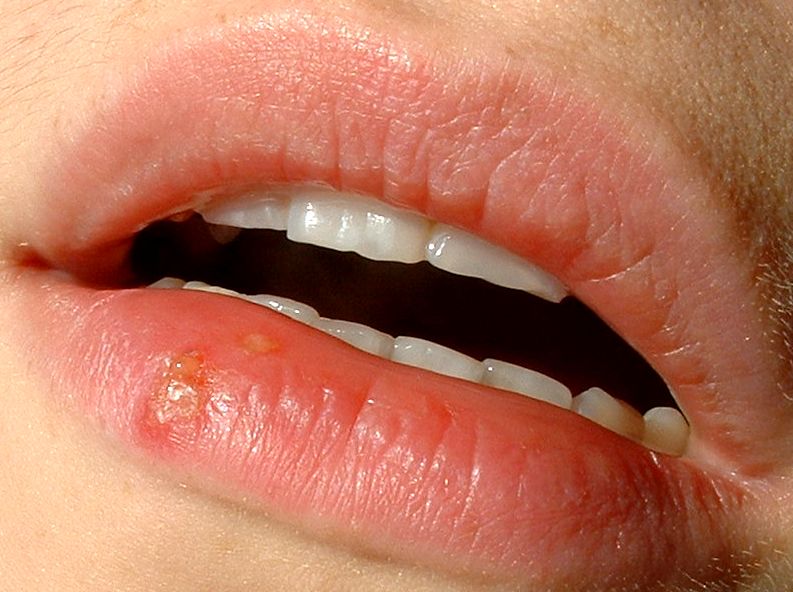
A US study analysing data from nearly 700,000 people concluded that those with a history of herpes simplex virus (HSV-1) infections were at greater risk of developing Alzheimer's disease. The study, published in BMJ Open, also showed that patients with this virus who used anti-herpes treatments were less likely to develop the disease.

0

EMA recommends not approving donanemab for Alzheimer's

EMA’s human medicines committee has recommended not authorising the marketing of Kisunla (donanemab), a drug intended for the treatment of early-stage Alzheimer's disease. The committee considered that the benefits of this drug were not great enough to outweigh the risk of potentially fatal events. In recent years, several patients have died due to microbleeds in the brain.

0

EMA revises earlier decision and decides to approve lecanemab for Alzheimer's disease

Less than four months after the European Medicines Agency recommended in July not to grant marketing authorisation for Leqembi™ (lecanemab) for the treatment of Alzheimer's disease, the EMA's Committee for Medicinal Products for Human Use (CHMP) has reassessed the available evidence to conclude that the benefits outweigh the risks.


0

Vision loss and high cholesterol are risk factors for dementia

Vision loss and having high cholesterol - the so-called ‘bad’ cholesterol - are risk factors for developing dementia, according to a meta-analysis published in The Lancet. Eliminating these risk factors could reduce dementia cases by 2% and 7% respectively, the study says. Both factors are in addition to 12 others previously mentioned in a 2020 report such as less education, physical inactivity, hearing loss, excessive alcohol consumption, obesity or poor social contact, among others. According to the research, almost half of all dementia cases could be prevented or delayed if these risk factors were controlled.

0

EMA recommends not to approve lecanemab against Alzheimer's disease

The European Medicines Agency (EMA) has recommended not granting marketing authorization for Leqembi™ (lecanemab) for the treatment of Alzheimer's disease. The EMA's Committee for Medicinal Products for Human Use (CHMP) considers that its effect in delaying cognitive decline does not outweigh the risk of serious side effects associated with the drug, in particular swelling and possible bleeding in patients' brains. Leqembi™ was approved in 2023 in the United States.

0

Reactions: Spanish researchers propose new genetic form of Alzheimer's disease

Genetic forms of Alzheimer's are considered to be those in which certain variants of a gene inevitably lead to the disease over time. Until now, only rare alterations in three genes were considered as such. A group of researchers led by the Hospital de Sant Pau in Barcelona has proposed a new, much more frequent form. After analysing data from more than three thousand donated brains and clinical data from more than ten thousand patients, they found that almost all people who carry two copies of the ApoE4 variant in the ApoE gene, which was previously only considered a risk factor, also end up developing the disease.They publish the results in the journal Nature Medicine.  

0

Reactions: use of erectile dysfunction drugs associated with reduced risk of Alzheimer's in men

Drugs to treat erectile dysfunction may be associated with a reduced risk of Alzheimer's disease, according to an observational study of nearly 270,000 men, published in Neurology. The research does not prove that these drugs reduce the risk of Alzheimer's, but only shows an association.

0

Reactions: five cases of Alzheimer's described that may have been transmitted by growth hormone treatments from cadavers

Researchers have described five cases of people in the UK who developed Alzheimer's-like dementia after being treated as children with growth hormone from cadavers. The treatment was administered between 60 and 40 years ago. This suggests that the disease could be transmitted. However, the authors point out that this is a very rare occurrence and could have been caused by repeated exposure to a type of hormone that is no longer used. The results are published in the journal Nature Medicine.

0