Xavier Bosch

Xavier Bosch

Xavier Bosch
Position

Emeritus researcher at the Catalan Institute of Oncology (ICO), senior researcher at the Bellvitge Biomedical Research Institute (IDIBELL) and lecturer in the Faculty of Health Sciences at the Universitat Oberta de Catalunya (UOC)

Topics

A menstrual blood test detects the human papillomavirus (HPV) and could serve as an alternative in cervical cancer screening

A team in China has studied the ability of a test to detect the human papillomavirus (HPV)—responsible for the vast majority of cervical cancers—in menstrual blood from more than 3,000 women. The results indicate that the test is comparable to current screening performed in medical offices. According to the researchers, “Using menstrual blood for HPV testing is practical and non-invasive, allowing women to collect samples at home and thus potentially offering a practical way to expand access to screening.” The study is published in The BMJ. 

0
High-risk Human Papillomavirus (HPV) genotypes linked to reduced male fertility

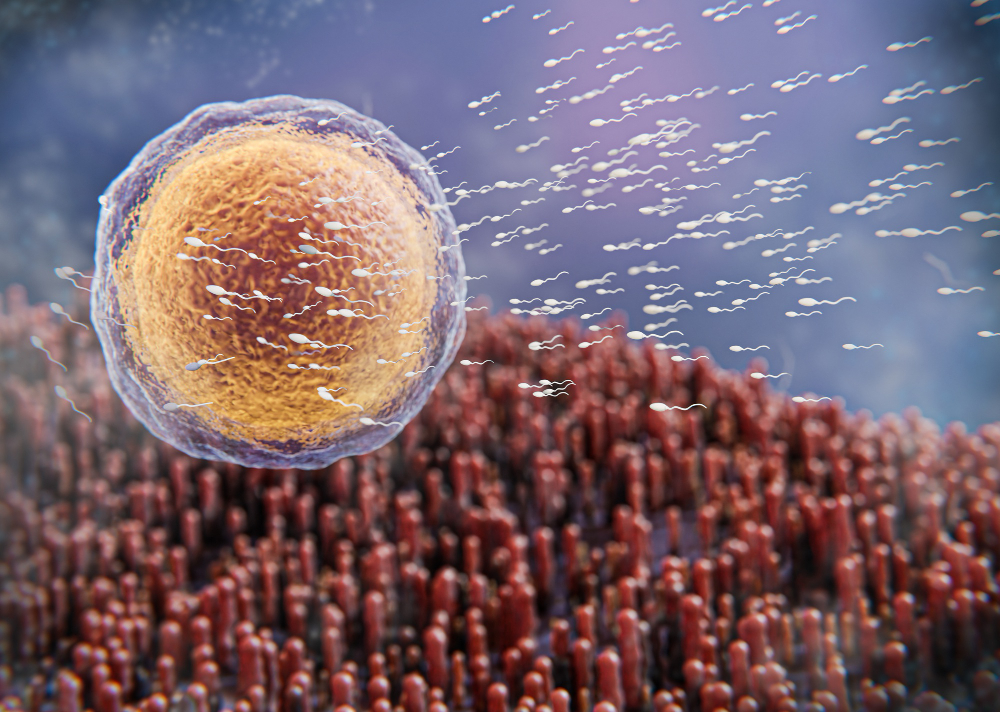
The sperm of men infected with high-risk genotypes of the human papillomavirus (HPV) suffers more damage from oxidative stress and has a weaker immune response, which can lead to reduced fertility. This is one of the conclusions of a study published in the journal Frontiers in Cellular and Infection Microbiology. The research compared the semen of 20 adults infected with high-risk genotypes, seven infected with low-risk genotypes, and 43 adults without infections.

0

Reaction to study examining effectiveness of papillomavirus vaccine in the United States

In the United States, the human papillomavirus vaccine began to be recommended in 2006 for girls aged 9-26 years. A study published in the journal JAMA Health Forum concludes that the campaign significantly reduced the risk of HPV infection in vaccinated women. In addition, herd immunity reduced the likelihood of infection in unvaccinated women.