A CAR cell-based therapy is tested to treat Alzheimer's in mice
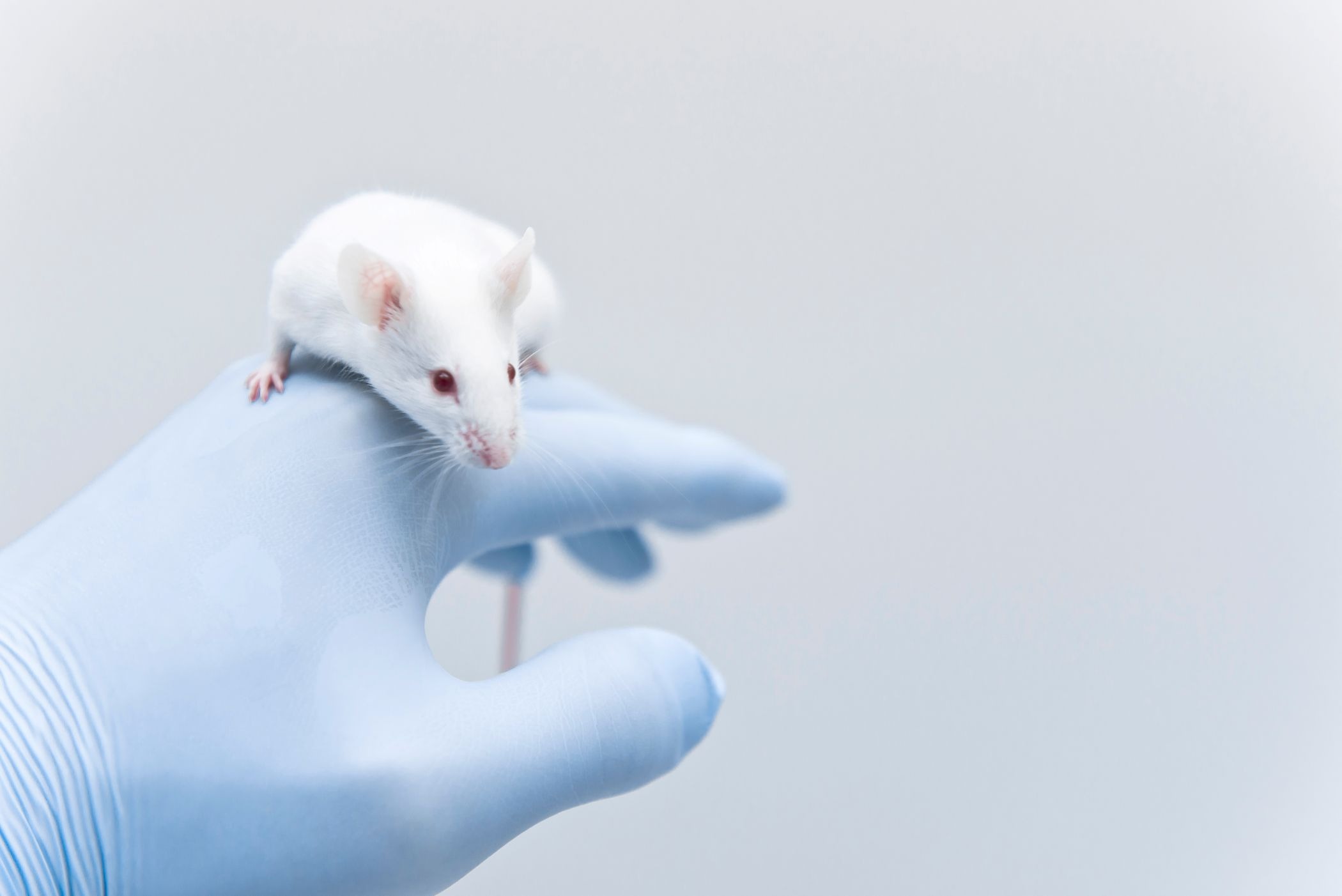
CAR-T cells, T lymphocytes modified in the laboratory to attack tumor cells, have shown promise against certain types of cancer. Now, a US team has followed the same concept and introduced artificial receptors into astrocytes, a type of nerve cell, with the aim of reducing the amyloid plaques characteristic of Alzheimer's disease. The experiments, conducted in mice, showed a significant reduction in amyloid, although no changes in the animals' behavior were observed. The results are published in Science.
Tur - CAR-A
Jordi Pérez-Tur
Research scientist at the Public Research Organisation (PRO) at the Institute of Biomedicine of Valencia of the Spanish National Research Council (CSIC) and principal investigator at CIBERNED
This work presents the development of a new therapeutic strategy for the treatment of Alzheimer's disease. The research group that developed it has adapted a system that has proven successful in the treatment of certain oncological processes to the treatment of Alzheimer's disease.
The principle of this new therapy is not significantly different from that already used in treatments recently approved by the FDA and the EMA. Like these, it involves promoting the activation of the brain's immune system so that it eliminates senile plaques, deposits that appear in the extracellular space (parenchyma) of the brain and are formed by A-beta peptide fibrils and other molecules. Treatments with aducanumab and crenezumab lead to the activation of brain microglia, which attack the deposits and reduce their number and/or size, resulting in a relative slowing of the disease's progression. Regardless of the therapeutic effect, this therapy requires repeated injections of the antibodies and the use of high doses to ensure that concentrations with a physiological effect are reached in the brain.
Chen, Liu, Nguyen, and colleagues generate cells obtained from an animal model of the disease and modify them to express on their surface a construct containing a portion of one of the aforementioned antibodies. This portion is exposed to the cell's exterior, bound to parts of other intracellular proteins that activate specific cellular programs. These programs result in the activation of either microglia—brain cells that are the equivalent of T cells in the immune system found throughout the body—or astrocytes. These modified cells are then returned to the animal from which they were obtained, and researchers observe which system is most efficient at targeting the senile plaques.
Study Quality
This study is a preliminary yet promising characterization of a paradigm shift in the treatment of Alzheimer's disease. Researchers demonstrate the possibility of developing personalized therapies that can be provided to patients. If a sufficiently effective procedure is developed, this therapy could be suitable for patients, particularly those with early-onset disease or those with significant risk factors, such as those with hereditary forms of the disease. It is also relevant that when comparing the mechanisms of action of the two types of CAR-A cells being tested, it is observed that they act through somewhat different pathways. One appears to limit its action to astrocytes, while the other also activates microglia in the partial but significant disappearance of senile plaques.
Implications and fit with existing evidence
The main characteristic of this article is that it is still very preliminary work. The authors demonstrate that a CAR-A system (the equivalent of the better-known CAR-T cell therapy, but which acts on astrocytes instead of T cells) can be established that can contribute to the disappearance of senile plaques. Furthermore, they demonstrate that, for at least 3 months, the administered cells continue to divide and form new cells, indicating that a single treatment can achieve a sustained effect over time. However, they did not observe that this effect translated into an improvement in the cognitive abilities of the treated animals at 5 or 9 months.
On the other hand, certain side effects were also observed which, while not apparently serious for the animals, could be concerning in humans.
In a somewhat simplistic way, we could say that this new therapy, if it overcomes the initial phase it is currently in, could represent an improved version of the monoclonal antibody treatment currently in use.
Limitations
The main limitation of the study is that it uses a transgenic mouse model, which has its own inherent limitations. In addition, the lack of observed functional improvement should temper expectations in the short term. Achieving a reduction in the number of senile plaques in the parenchyma is a relative success if it is not accompanied by functional improvement. We may still be at too early a stage of development to observe this improvement.
On the other hand, many aspects still need to be addressed before we can approach human use. These include determining which types of patients are most likely to benefit from this potential therapy and what route of administration will be used to deliver the adenoviruses.
General Comments
This work presents several interesting aspects, in addition to the development of the therapy mechanism itself. These include its significant effect in cases of genetic risk, the activation of microglia in certain cases, in addition to astrocytes (the initial target of the treatment), and the possibility of administering the treatment in a single dose. These are several promising developments, though it remains unclear whether they will be fulfilled.
On the other hand, there are other similar experimental approaches based on similar principles, which have achieved less success but, taken together, allow for some optimism regarding the possibility of achieving an effective therapy, at least in the elimination of senile plaques.
The common question we all ask ourselves when reading this type of work is: When will it reach patients? And will it be effective in advanced patients? It is still too early to answer these questions, but considering that these developments are still in a very preliminary phase, it does not seem likely that we will see its routine application in clinical practice anytime soon.
Chen et al.
- Research article
- Peer reviewed
- Experimental study
- Animals