
Autonomous University of Madrid
If you are the contact person for this centre and you wish to make any changes, please contact us.
Researcher at the Department of Biochemistry of the UAM, specialist in the role of microRNAs in tumor immunology.
Lecturer in the Department of Chemistry and researcher specialising in attosecond science, ultrafast processes in laser-matter interaction, atomic and molecular physics at the Autonomous University of Madrid
President of the Spanish Primatology Association (APE), coordinator of the Primatology Research Group and co-director of the Master’s Degree in Applied Ethology and Animal-Assisted Interventions at the Autonomous University of Madrid
Researcher at the Institute for Advanced Research in Chemical Sciences (IAdChem) and in the Department of Organic Chemistry at the Autonomous University of Madrid (UAM), director of the Biohybrid Materials and Systems Chemistry research group.
Professor of Biochemistry and Molecular Biology at the Autonomous University of Madrid and deputy director of the Centre for Molecular Disease Diagnosis at the Centre for Molecular Biology (CBM-UAM-CSIC).
Senior Lecturer Department of Theoretical Physics UAM Madrid
Senior Scientist at the CSIC and researcher at the Centro de Biología Molecular Severo Ochoa
Professor of Research Methods in Education at the Autonomous University of Madrid
Researcher at the UAM-CSIC Institute of Theoretical Physics and in the Department of Theoretical Physics at the Autonomous University of Madrid
Senior Lecturer in the Department of Biology at the Autonomous University of Madrid
Head of the psychiatry department at the Fundación Jiménez Diaz, psychiatry professor at the Universidad Autónoma de Madrid
Lecturer and researcher in Preventive Medicine and Public Health at the Autonomous University of Madrid
Professor of Preventive Medicine and Public Health at the Autonomous University of Madrid, researcher at CIBERESP and IMDEA-Nutrition
Lecturer at the Autonomous University of Madrid specialising in Exercise Physiology and Physical Activity and Health, Director of the Exercise Physiology and Nutrition Research Group and Vice-Dean of Employability, Postgraduate Internships and Physical Activity and Sports Sciences
Professor of Prehistory at the Autonomous University of Madrid.
Professor ad honorem of the CSIC at the Severo Ochoa Centre for Molecular Biology
Doctor in Physical Activity and Sport Sciences and researcher in the Exercise Physiology and Nutrition research group at the Autonomous University of Madrid.
Research professor at the Institute of Theoretical Physics (UAM-CSIC)
Director of the Dermatology Department of the Hospital de la Santa Creu i Sant Pau and professor at the Autonomous University of Barcelona
Pre-doctoral researcher in Ethics and Governance of Artificial Intelligence in the Department of Political Science and International Relations at the Autonomous University of Madrid
Researcher at the Institute for Food Science Research (CSIC-UAM)
Researcher at the Department of Pharmacology, the Faculty of Medicine of the Universidad Autónoma de Madrid and at the Nephrology and Hypertension Laboratory of the Instituto de Investigación Sanitaria-Fundación Jiménez Díaz in Madrid
Head of the Pathogenic Mechanisms of Alzheimer's Disease research group and researcher at the Severo Ochoa Molecular Biology Centre
Senior Researcher at the Severo Ochoa Center for Molecular Biology (CBM-CSIC-UAM)
Professor and Vice-Dean of Research and Transfer at the Faculty of Teacher Training and Education of the Universidad Autónoma de Madrid.
Professor at the Department of Psychiatry of the School of Medicine of the Universidad Autónoma de Madrid and member of CIBERSAM
Nutritional epidemiologist at CIBERESP and IMDEA Food, professor at the Autonomous University of Madrid, and assistant professor at the Harvard School of Public Health
Professor and researcher in the Department of Theoretical Physics at the Autonomous University of Madrid and at the Institute of Theoretical Physics (IFT UAM-CSIC), scientific coordinator of the entire NASA Fermi-LAT Collaboration between 2023-2025 and coordinator of the ‘Dark Matter and New Physics’ working groups of the Fermi-LAT gamma-ray collaborations (2014-16 and 2020-2022) and CTAO (2018-2020) collaborations
Assistant Professor in Zoology at the Autonomous University of Madrid
Assistant Professor in the Department of Biological and Health Psychology at the Faculty of Psychology UAM
Lecturer in Financial Economics at the Autonomous University of Madrid
Researcher at the Computer Linguistics Laboratory of the Autonomous University of Madrid (UAM) and director of Business & Language Analytics (BLA) of the Institute of Knowledge Engineering (IIC)
Professor in the Department of Preventive Medicine and Public Health at the Autonomous University of Madrid
Researcher in the department of preventative medicine and public health, Faculty of Medicine, Autonomous University of Madrid and CIBERESP
Principal investigator at the Severo Ochoa Molecular Biology Centre
Doctor in Physical Activity and Sport Sciences and researcher in the Exercise Physiology and Nutrition research group at the Autonomous University of Madrid.
'Ramón y Cajal' researcher specialising in energy poverty at the Department of Geography, Autonomous University of Madrid
Doctor in Physical Activity and Sport Sciences and researcher in the Exercise Physiology and Nutrition research group at the Autonomous University of Madrid.
Head of the African Swine Fever Virus Laboratory at the Severo Ochoa Molecular Biology Center (CBMSO)
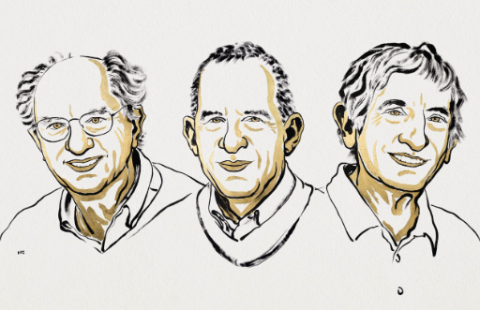
The Royal Swedish Academy of Sciences has awarded the 2025 Nobel Prize in Physics to John Clarke, Michel H. Devoret, and John M. Martinis, who demonstrated both the quantum tunnelling effect and quantised energy levels in a system small enough to fit in the palm of your hand. These advances have served to develop the next generation of quantum technology, including quantum cryptography, quantum computers and quantum sensors.
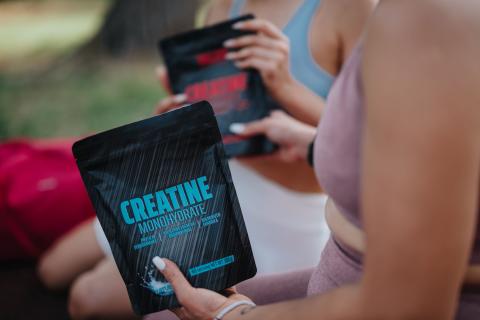
The use of creatine among athletes is not new, although its consumption has become popular on social media. We answer questions about this compound with the help of experts in nutrition, sports and dietetics.

The Planetary Health Diet promotes environmentally sustainable consumption, based, among other things, on increasing vegetable intake and reducing dairy and red meat consumption. Previous studies had found an association with better human health, although there were some conflicting results. Now, a study combining two cohorts of more than 150,000 people and a meta-analysis of 37 studies involving more than three million volunteers reinforces this association, finding that greater adherence to the diet is associated with lower all-cause mortality. The results are published in the journal Science Advances.
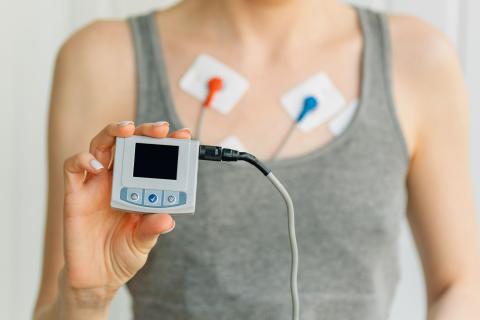
An international team has analysed gender representation in more than 1,000 clinical trials on cardiovascular disease between 2017 and 2023, involving more than one million people. Although female participation has increased, especially in areas such as obesity and heart failure, women continue to be underrepresented overall compared to men. The results, presented at the European Society of Cardiology (ESC) Congress held in Madrid from 29 August to 1 September, are published in JAMA Network Open.
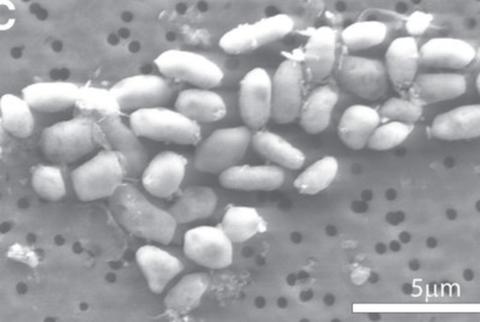
The research article A bacterium that can grow by using arsenic instead of phosphorus was one of the big science stories because it discussed the possibility of arsenic-based life. However, it has been the subject of criticism until now. After nearly 15 years of debate and failed attempts by other groups to replicate the findings, Science has now decided to retract the article, despite finding no evidence of fraud or misconduct on the part of the authors, who disagree with the decision.
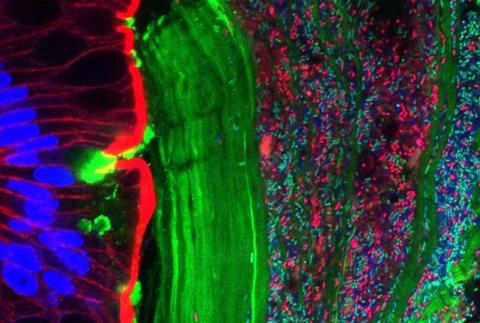
Researchers have modified a bacterium to colonise the gut microbiota and treat kidney stones. They genetically engineered Phocaeicola vulgatus to make it able to break down oxalate molecules, a cause of recurrent kidney stones, and consume a specific nutrient called porphyrin. In mice and in preclinical trials in healthy people, this reduces oxalate levels, the authors report in the journal Science.
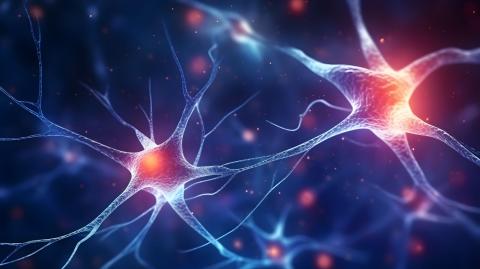
A team from Sweden has analysed post mortem brain samples from people aged between 0 and 78 using various techniques and found that, although it varies between individuals, new neurons continue to form in the hippocampus with no apparent age limit. Although previous studies had reached similar conclusions, controversy remains about these results. According to the authors, the new work ‘provides an important piece of the puzzle in understanding how the human brain works and changes throughout life.’ The results are published in the journal Science.
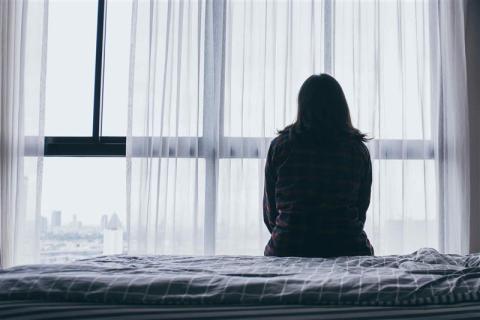
From 2014 to 2023, one in six people in the world suffered from loneliness, according to a World Health Organisation report, which outlines the causes of this phenomenon and its multiple impacts: on physical and mental health and mortality, as well as on work and the economy. The report estimates that loneliness is linked to more than 871,000 deaths per year and highlights a higher incidence among young people and in low- and middle-income countries.
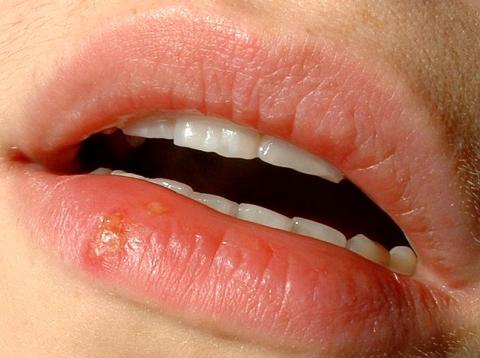
A US study analysing data from nearly 700,000 people concluded that those with a history of herpes simplex virus (HSV-1) infections were at greater risk of developing Alzheimer's disease. The study, published in BMJ Open, also showed that patients with this virus who used anti-herpes treatments were less likely to develop the disease.

An international team has successfully sent quantum messages 254 kilometres away using an existing telecommunications network in Germany. A quantum Internet would theoretically be faster and more secure, and this demonstration suggests that this type of communication can be achieved in real-world conditions. The results are published in the journal Nature.