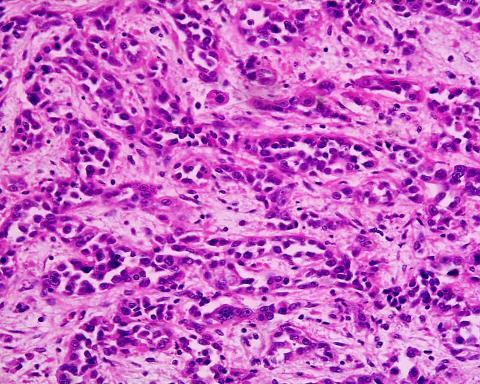
Study claims use of drugs such as omeprazole is not associated with an increased risk of a type of gastric cancer, contrary to previous studies
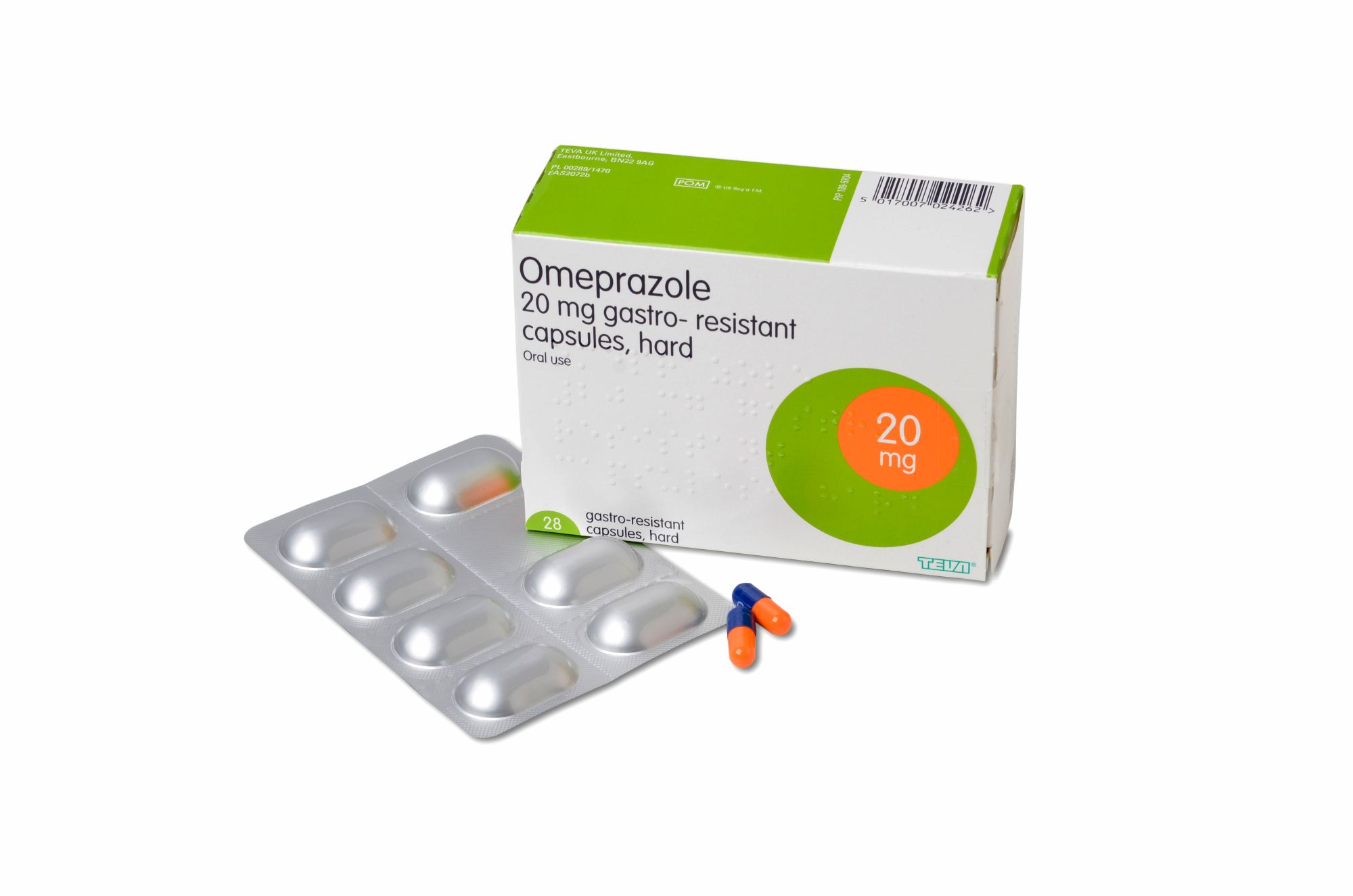
Several recent studies had concluded that the risk of gastric cancer doubled with the use of drugs such as omeprazole – proton pump inhibitors. A new study published in The BMJ states that there is no association between prolonged use of these drugs and the risk of gastric adenocarcinoma. The research used prospective data from registries in Denmark, Finland, Iceland, Norway, and Sweden between 1994 and 2020. The study included more than 17,000 patients with gastric adenocarcinoma (other than cardia cancer) who had been exposed to these drugs for more than one year.
260122 omeprazol francisco EN
Francisco López-Muñoz
Professor of Pharmacology and Vice-Chancellor for Research and Science at Camilo José Cela University (Madrid), and research member of the 12 de Octubre Hospital Research Institute and the HM Hospitals Health Research Institute (IISHM)
The article by Duru et al. contrasts sharply with the results provided in numerous previous clinical studies and meta-analyses over the last 40 years, which suggested an increased risk (in some cases twice as high) of gastric cancer associated with the use of drugs in the proton pump inhibitor (PPI) family, such as omeprazole. These authors point out that, in many cases, these positive associations could be explained by relevant methodological limitations, such as protopathic bias, the inclusion of patients using the drug for a short period of time, the lack of differentiation between cardia cancer and other gastric cancers, or the lack of adjustments in cases of infection by the bacterium Helicobacter pylori, whose relationship with gastric cancer is well established. In fact, sensitivity analyses performed in this study reproduce increases in risk when these limitations are reintroduced, supporting the hypothesis that much of the previous evidence may reflect spurious associations rather than a real causal effect.
Despite being a prospective multicentre case-control study, from a methodological point of view, it is worth highlighting the use of comprehensive national health registries from five Nordic countries with a strong track record in this area (Denmark, Finland, Iceland, Norway and Sweden) and the inclusion of more than 17,232 cases of gastric adenocarcinoma (not cardia cancer) and more than 172,297 controls, followed over a period of 26 years, which gives the study great statistical power and precision in its estimates. In addition, the linking of subjects by personal identifiers and the absence of missing data significantly reduce the risk of classic biases such as selection or recall bias, which are common in smaller-scale observational studies. The explicit exclusion of exposure to medication in the 12 months prior to diagnosis and the adjustment for multiple key factors, such as age, gender, treatment for Helicobacter pylori eradication, history of peptic ulcer or type 2 diabetes, tobacco and alcohol consumption, obesity, or consumption of certain medications, also reinforce the internal validity of the study.
From a clinical practice perspective, the findings provide reassuring results. In patients with a clear indication for prolonged treatment with PPIs (and histamine type 2 receptor antagonists), especially in cases of gastroesophageal reflux, these results suggest that there would be no increased risk of gastric adenocarcinoma (not cardia cancer) attributable to this type of drug, which may contribute to more balanced and evidence-based decision-making, reducing unfounded fears in both patients and healthcare professionals. However, the authors rightly point out that prolonged use of PPIs still requires periodic reassessment for other known adverse effects, although these are not related to gastric neoplasms.
Although the study is robust, it is not without limitations. Its case-control design, even though based on extensive prospective registries, does not allow causality to be established definitively. Furthermore, detailed information is not available on some potentially relevant factors, such as diet (e.g., salt intake), family genetic history, or other clinical variables related to the severity of gastric pathology. It should also be mentioned that the study is based on Nordic populations, which could partially limit its extrapolation to regions with different epidemiological profiles for gastric cancer. Even so, these limitations do not seem sufficient to invalidate the main conclusion of the study.
In conclusion, this study represents a significant contribution to the debate on the long-term safety of PPIs, demonstrating that, when biases and other confounding factors are adequately controlled, the previously described association with gastric cancer does not appear to hold. Furthermore, its methodological rigour makes it an important reference for critically reinterpreting the previous literature and guiding clinical practice based on more solid evidence.
260122 omeprazol luis EN
Luis Bujanda
Specialist in Digestive System at Donostia University Hospital, coordinator of the Liver and Gastrointestinal Diseases Area at the Biogipuzkoa Institute and professor of Medicine at the University of the Basque Country (UPV/EHU)
There has always been much controversy surrounding the side effects of proton pump inhibitors (PPIs). In general, we have been using omeprazole (Losec) for more than 25 years. PPIs are used by more than 20% of the population and no significant effects have been observed.
Regarding the press release, it is important to note that antacids should not be confused with proton pump inhibitors. Antacids include, for example, almagate (such as Almax), aluminium hydroxide, magnesium hydroxide, sodium bicarbonate, etc. Proton pump inhibitors include omeprazole, lansoprazole, rabeprazole, esomeprazole, and pantoprazole.
As for the research, it appears to be a well-conducted study that does not associate the use of PPIs with gastric cancer, but it is observational and based on records, where the information is biased. It also does not mention the type or dose of PPI and defines long term as more than one year. The study mentions that 3.1% of cases eradicate H. pylori but does not mention the infection rate in that population, which is generally higher than 25-30%.
Furthermore, they only analyse one type of gastric cancer, adenocarcinoma. What about gastric neuroendocrine tumours? They are very rare, but there could be a link with the use of PPIs. This is a cohort study, and the diet and family history of gastric cancer are unknown, as the article states.
Finally, it should be noted that the incidence of gastric cancer is decreasing. It would be good to assess whether taking PPIs increases the risk of oesophageal-gastric cancer.
Iago Rodríguez - omeprazol EN
Iago Rodríguez-Lago
Gastroenterologist at the Inflammatory Bowel Disease Unit, Digestive System Department
Is the research of good quality?
"This study has a case-control design, in which patients diagnosed with a disease (in this case, gastric adenocarcinoma) are compared with others without that problem, while being similar or statistically adjusted for other factors such as age, sex, risk factors, etc., which provides an adequate and high-quality methodology for evaluating exposures (proton pump inhibitors in this example) that require a very long observation period.
In addition to this, data from health registries in five Nordic countries over a period of 26 years (1994-2020) have been included, which increases its external validity. On the other hand, by including more than 17,000 cancer patients and comparing them with more than 172,000 healthy individuals, together with access to detailed clinical information, the researchers were able to mitigate many of the weaknesses that affected previous research on this same topic.
How does it fit in with existing evidence?
"Historically, in recent decades, there has been doubt that drugs classified as antacids, and specifically proton pump inhibitors (omeprazole, esomeprazole, rabeprazole, etc.), could increase the risk of gastric cancer through increased gastrin, with recent meta-analyses estimating that this risk even doubled. However, these new findings clarify the situation by demonstrating that, once determining factors such as infection with the bacterium Helicobacter pylori, smoking, obesity and diabetes are adjusted for, the supposed association disappears. Therefore, these results do not support the hypothesis that long-term use of these drugs increases the risk of gastric cancer (specifically gastric adenocarcinoma), clarifying the uncertainty of previous studies.
What are the implications of this finding for clinical practice?
"For both healthcare professionals and patients, this finding is of great value and interest, as it provides reassurance and reaffirms the safety of long-term proton pump inhibitors, one of the most commonly prescribed drugs in Spain. By eliminating some of the doubts about this increased risk, the results facilitate clinical decision-making and (further) increase our confidence in these necessary treatments, often long-term, with a more solid evidence base."
Are there any important limitations to consider?
"Although the data are robust and have significantly improved on the limitations of previous studies, we must remember that this is an observational study, which means that it cannot establish a definitive cause-and-effect relationship. Furthermore, despite the researchers' efforts, there are factors that could not be measured, such as the patients' diet, their family history of stomach cancer, or the varying predisposition to this type of cancer in certain geographical areas, which, among other things, could influence the results. On the other hand, only the risk of gastric adenocarcinoma has been analysed, which, although it is the most common subtype, does not include all types of gastric cancer. Even so, the quality of the information obtained over more than two decades in several European countries offers one of the most reliable perspectives we have to date.
Onyinyechi Duru et al.
- Research article
- Peer reviewed
- Observational study