Psilocybin prevents debilitating side effects of chemotherapy in mice
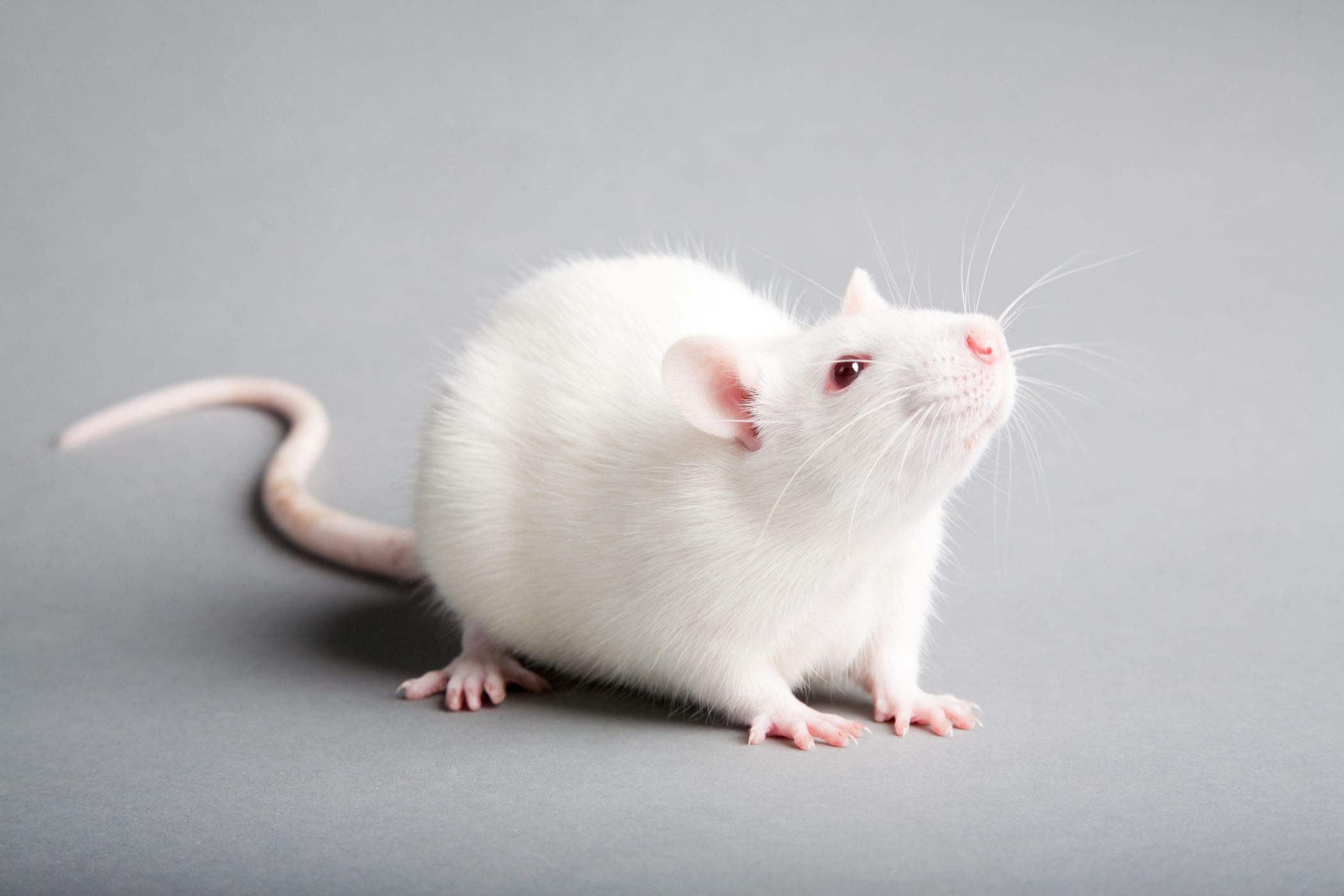
Chemotherapy-induced peripheral neuropathy is a side effect of platinum-based cancer treatments that affects more than 60 per cent of patients and causes pain, a burning sensation and numbness. The psychedelic compound psilocybin could help prevent it, according to researchers behind a study using mouse models published in Science. Two doses of psilocybin administered prior to treatment prevented peripheral neuropathy for up to six cycles of chemotherapy without reducing its anti-tumour effects. The author of another perspective article on this study, also in Science, states that “the challenge now is to translate this understanding of the underlying mechanisms into carefully designed clinical trials”.
Elisabet Domínguez-Clavé - ratones psilocibina quimio
Elisabet Domínguez-Clavé
Psychologist and Doctor of Pharmacology, lecturer at the International University of La Rioja (UNIR) and president of the Spanish Society for Psychedelic Medicine (SEMPsi)
The most interesting aspect of this study is not so much that psilocybin ‘works’, but rather that it protects the nerves without producing any hallucinogenic effects and without compromising the effectiveness of chemotherapy against the tumour. However, the decisive step will be to conduct a clinical trial with patients to confirm that psilocybin does indeed prevent peripheral neuropathy. That would fill a very significant therapeutic gap.
This study provides the first robust evidence that psilocybin also acts directly on peripheral nerves – a completely unexplored area – thereby broadening the scope of application for this type of compound beyond psychiatry.
Psilocybin acts here like a vaccine; it does not repair a nerve that is already damaged, but prevents it from being damaged in the first place. This is a different strategy to that of current treatments and would involve administering it preventatively before each cycle of chemotherapy, rather than giving a painkiller to treat pain once it has set in.
What they propose is a rather elegant explanation: chemotherapy would not kill the neuron instantly, but would cut off the energy supply to the far end of the nerve, which would eventually die of starvation. Psilocybin would restore that energy supply.
Juan Antonio García-Carmona - ratones psilocibina quimio EN
Juan Antonio García-Carmona
Neurologist at Santa Lucía General Hospital in Cartagena, associate professor of Pharmacology at the Catholic University of Murcia (UCAM), researcher in neuropsychiatry at the Murcian Institute for Bio-Health Research (IMIB)
This is an interesting and methodologically sound preclinical study, as it does not merely observe that psilocybin reduces certain signs of neuropathy in mice, but combines behavioural tests, electrophysiology, molecular analysis and mitochondrial imaging, as well as experiments on human neurons and tissues. The results point quite consistently to a specific mechanism: the activation of 5-HT2A receptors appears to help maintain the transport of mitochondria to nerve endings during chemotherapy. Furthermore, the effect is observed with various chemotherapeutic agents and persists over several cycles.
Although the experiments with human tissue and neurons provide biological plausibility, they do not prove that psilocybin prevents neuropathy in cancer patients. In fact, the authors did not conduct a clinical trial, and their own results show that protection requires the treatment to be administered prior to exposure to chemotherapy; prior protection is not necessarily sufficient for a subsequent exposure without psilocybin. Therefore, the finding should be interpreted as a promising sign justifying clinical trials, rather than as evidence that psilocybin can already be used to prevent neuropathy in cancer patients.
- Research article
- Peer reviewed
- Animals