A single dose of psilocybin produces brain changes lasting up to a month after the experience
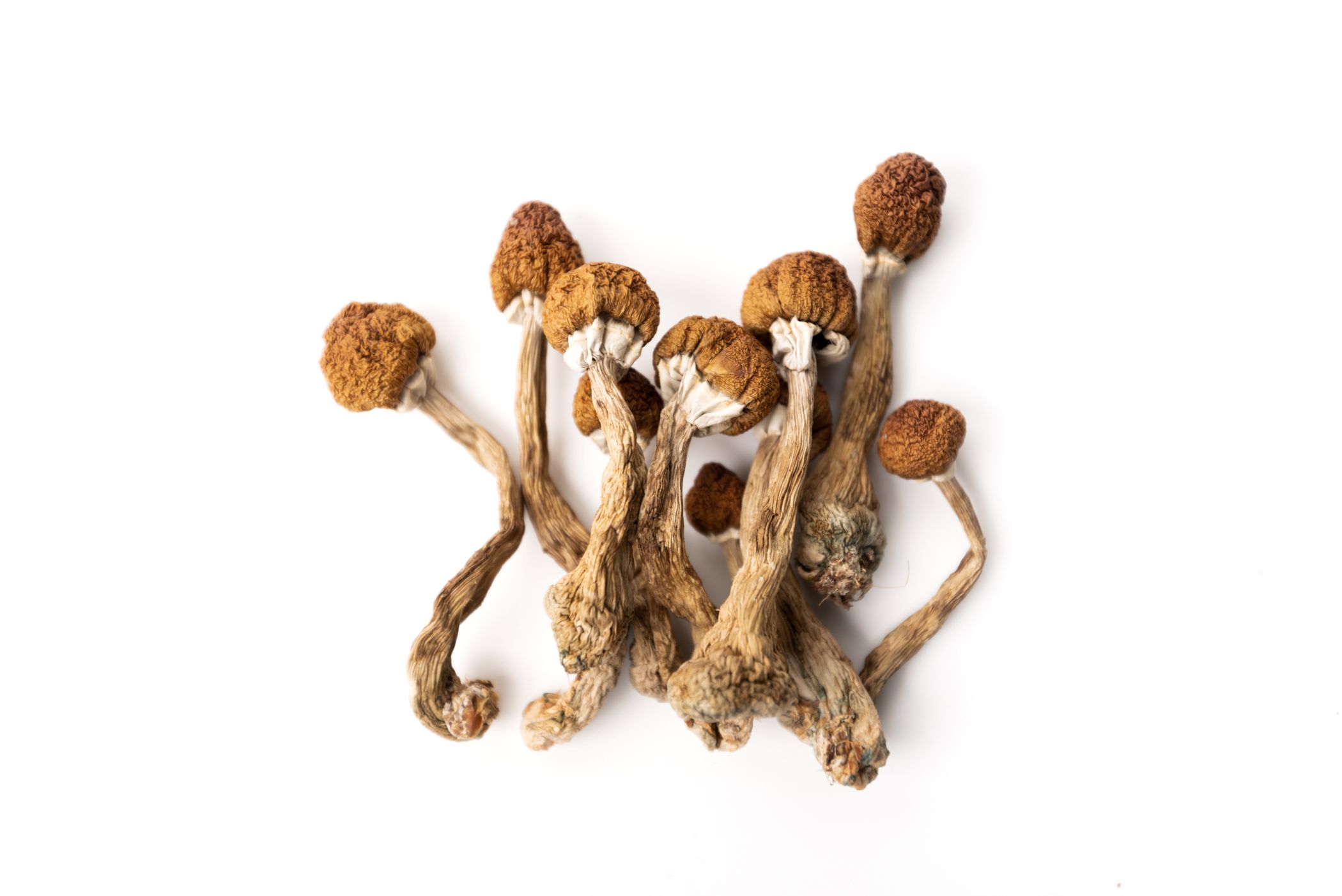
The hallucinogen psilocybin, found in certain mushrooms, is being investigated as a treatment for conditions such as depression. A study published in Nature Communications shows that a single 25 mg dose of the compound can produce brain changes lasting up to a month after administration. These were measured using neuroimaging techniques in 28 healthy adults who had never taken psychedelics. In terms of psychological effects, participants showed increased cognitive flexibility, psychological insight, and well-being after one month.
2026 05 05 psilocibina Elisabet Domínguez Clavé EN
Elisabet Domínguez-Clavé
Psychologist and Doctor of Pharmacology, lecturer at the International University of La Rioja (UNIR) and president of the Spanish Society for Psychedelic Medicine (SEMPsi)
Overall, the study is solid and well aligned with the kind of research currently being conducted in the neuroscience of psychedelics. It combines advanced techniques such as EEG (electroencephalography) and functional MRI with psychological measures, and attempts something particularly important: linking what happens in the brain during the experience with potential subsequent changes in well-being or insight. This is one of the field’s major challenges and, in that respect, the work makes a valuable contribution.
That said, as with many studies of this kind, it should be interpreted with caution. The number of participants is relatively small—common in neuroimaging research—but this limits how far the findings can be generalised. In addition, many of the measures are subjective (such as insight or well-being), which are clinically meaningful but harder to quantify objectively. It is also a highly controlled experimental setting with a non-clinical population, so the findings cannot be directly extrapolated to patients.
In terms of how it fits with existing evidence, the study reinforces an idea that is gaining increasing support: psychedelics do not act simply as a “drug” in the traditional sense, but appear to increase brain flexibility and facilitate psychological change. Previous research shows that they modulate circuits involved in emotion, such as the amygdala, and may promote processes like emotional reappraisal or the generation of new perspectives. This work follows that line, aiming to better understand the underlying mechanisms.
One of the concepts discussed—“brain entropy”—may sound highly technical, but the idea is fairly intuitive. It refers to the degree of variability or “flexibility” in brain activity. In more rigid states (such as those observed in certain mental health conditions), the brain tends to operate in a more repetitive and predictable way. Psychedelics appear to increase this variability, which may help individuals break out of entrenched patterns of thought and open up new ways of thinking or feeling. It is an interesting and influential hypothesis, although still developing and not to be interpreted as a direct clinical marker.
Taken together, the study does not transform the field on its own, but it does add to a growing body of evidence suggesting that these compounds can induce measurable changes in the brain which, in certain therapeutic contexts, may facilitate psychological change. The challenge now is to translate this knowledge into safe, effective, and well-regulated clinical applications.
2026 05 05 psilocibina Eduard Vieta EN
Eduard Vieta
Professor of Psychiatry at the University of Barcelona, Head of the Psychiatry and Psychology Department at Hospital Clínic in Barcelona, and researcher at the Biomedical Research Centre in Mental Health (CIBERSAM)
The study is interesting because it uses a range of techniques to measure brain activity in order to observe the effects of psilocybin in healthy individuals who had never previously been exposed to the substance, and it uses the same participants as their own controls with a minimal dose of the psychedelic equivalent to a placebo. For this reason, there is little doubt that the observed brain changes are directly related to psilocybin.
Beyond the scientific merits of the study in terms of brain function and phenomena such as 'consciousness', measured through what the authors refer to as “'entropy' —a form of reorganisation of neural brain networks— there are, from a psychiatric perspective, two conclusions that seem particularly important due to their implications for the future use of psilocybin in patients with severe depression.
First, the observed brain changes in healthy volunteers are clearly associated with the psychedelic experience itself, which points to this experience as a potentially key element in its ability to alleviate depression. Second, the duration of the effect (at least one month) may also help explain, indirectly, why this substance can produce long-term antidepressant effects without the need for daily administration.
Naturally, these findings require replication, particularly in individuals with major depressive disorder.
T. Lyons et al.
- Research article
- Peer reviewed
- People