atmospheric sciences

atmospheric sciences

atmospheric sciences

The frequency of planetary wave resonances has tripled in the last 70 years, according to a study

Over the last seven decades, the frequency of planetary wave resonance phenomena has tripled, according to a study published in PNAS. The authors argue that the risk of extreme weather events related to this phenomenon during the northern hemisphere summer could be higher than current model estimates.

0

‘Micro-lightning' in water droplets could have generated molecules that were key to the origin of life

Until now, one hypothesis suggested that life on Earth could have arisen from lightning striking a body of water. However, a new study claims that the synthesis of molecules necessary for the emergence of life could have originated from ‘micro-lightning’ in water droplets. According to the study, published in Science Advances, the formation of organic compounds with carbon-nitrogen bonds from gas molecules could be a possible mechanism for creating the basic components of life on the early Earth.

0

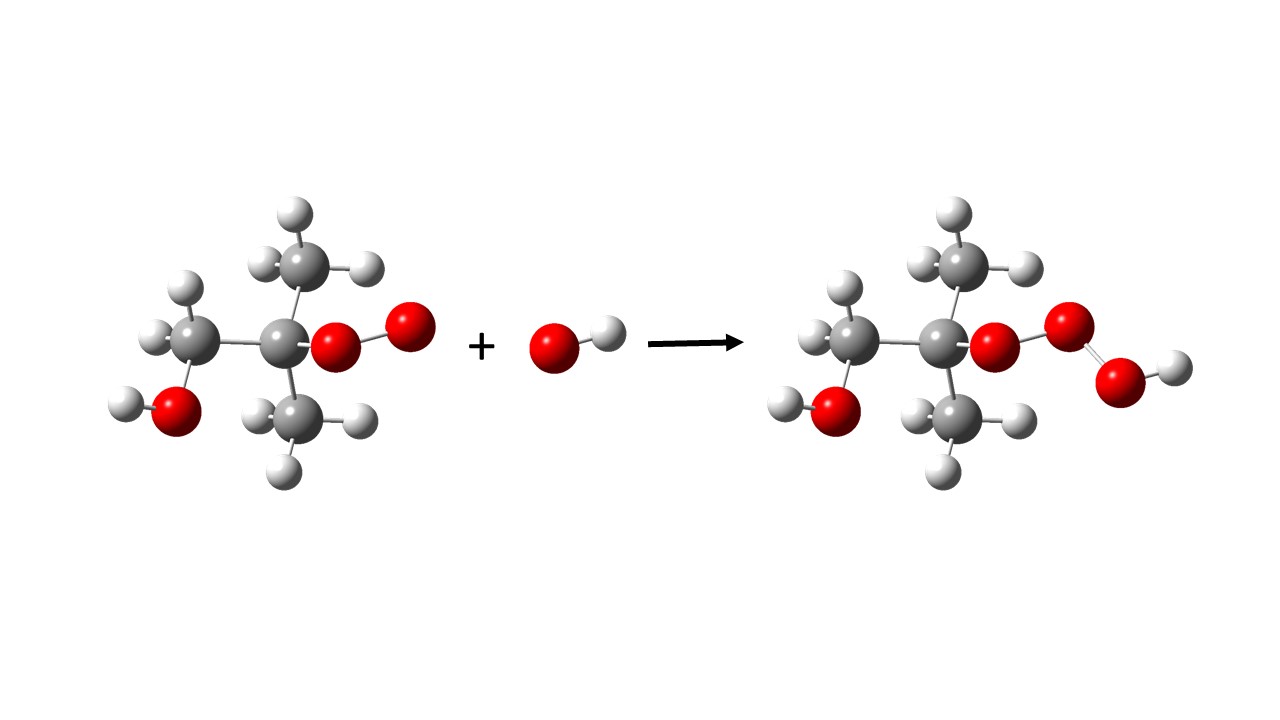
Reaction to the detection in the atmosphere of a new class of highly reactive chemical compounds: the trioxides

An international team led by researchers at the University of Copenhagen has detected a new class of extremely reactive chemical compounds in tha atmpsphere, the 'trioxides'. The challenge now is to understand the role of trioxides in climate and air quality. The result is presented in Science.


0