biodiversity

biodiversity

biodiversity

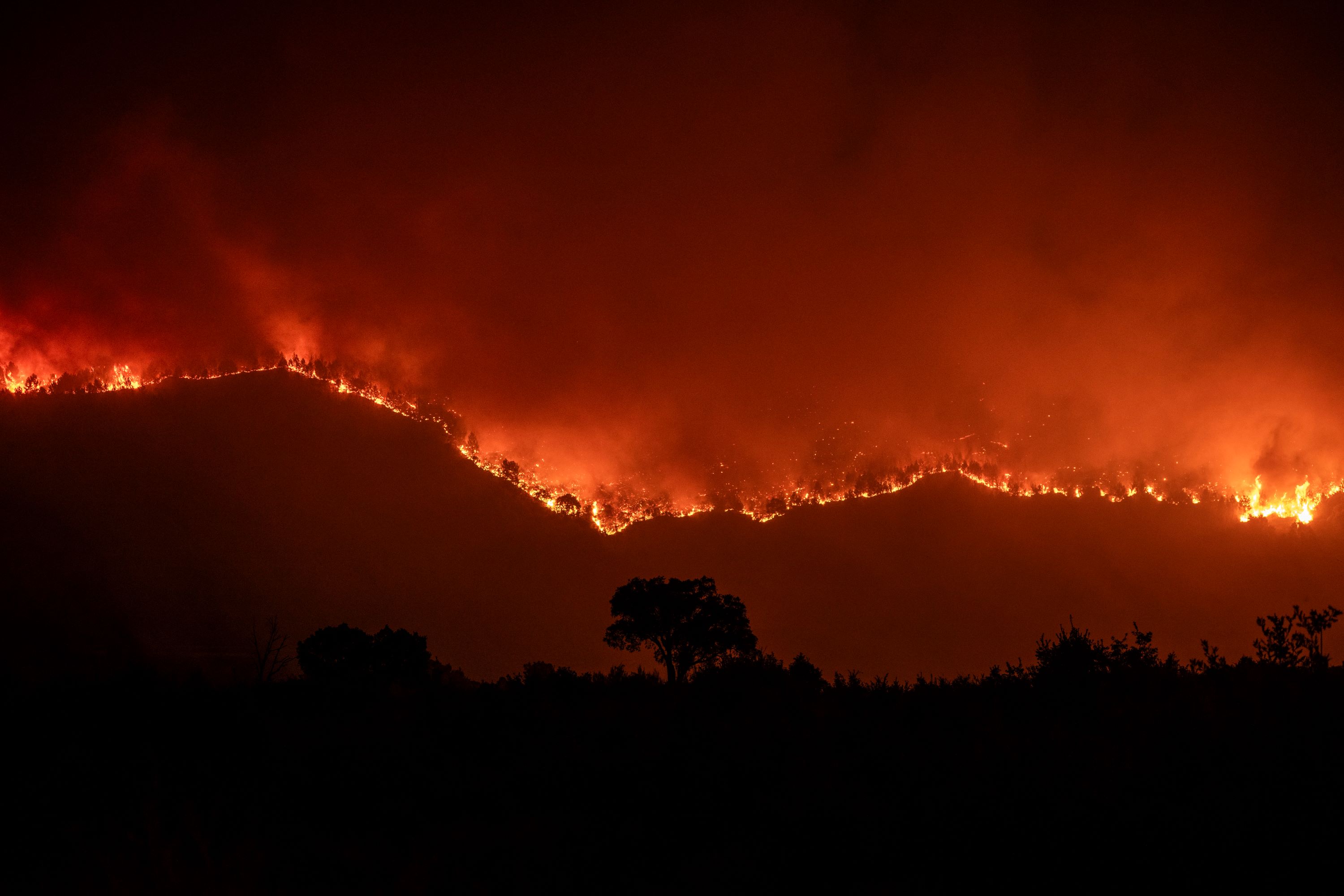
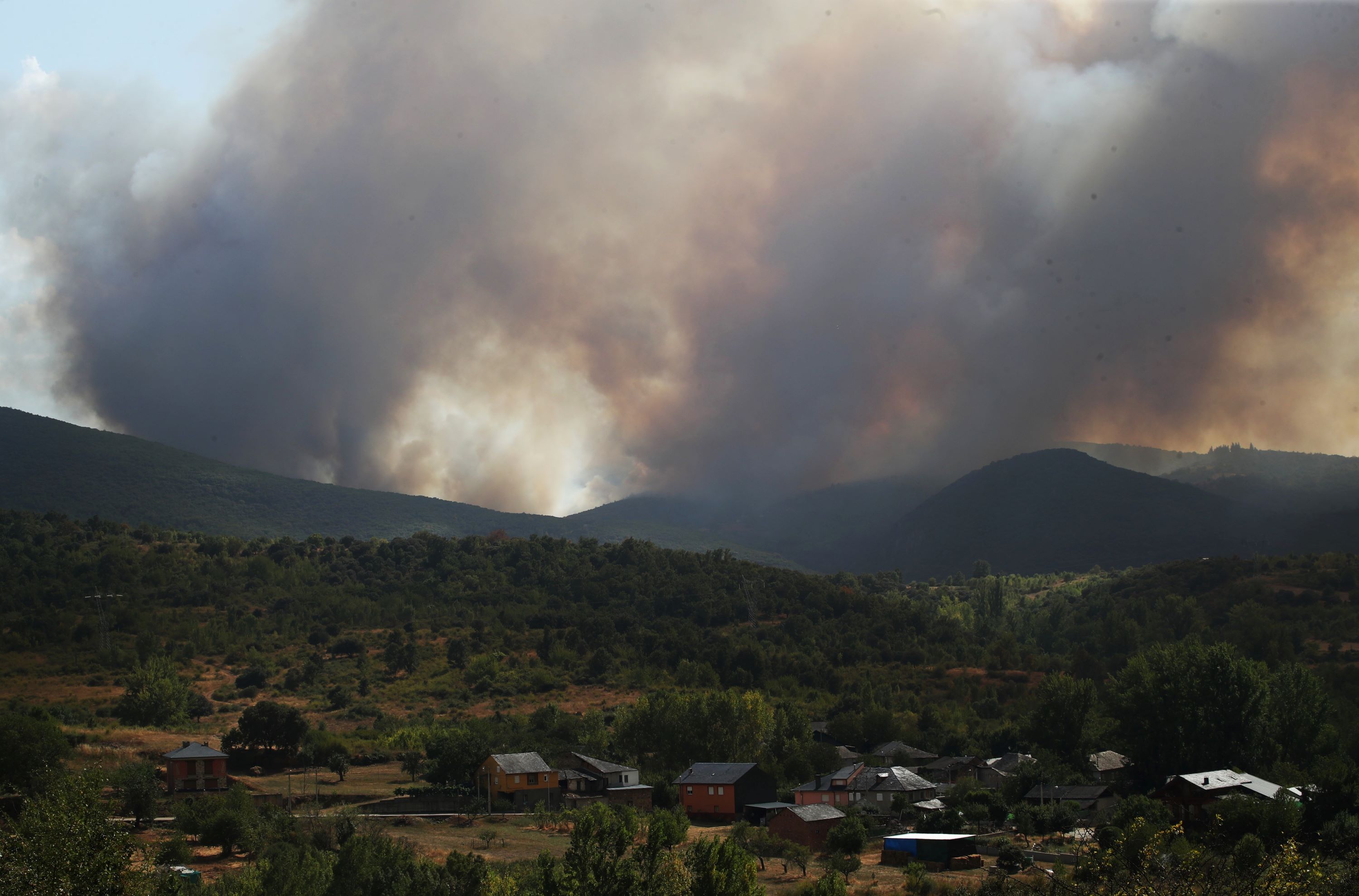
Numerous fires are active in different parts of the peninsula

Several areas in the region of El Bierzo in León and the province of Zamora have seen numerous forest fires in recent hours, forcing more than a thousand people from different municipalities to evacuate. One person has died. The flames have affected the Las Médulas natural area, listed by UNESCO as a World Heritage Site. Another fire in Tarifa (Cádiz) has forced the evacuation of hundreds of people, and also in Tres Cantos (Madrid), where one person died. In addition, there are active outbreaks in several areas of Galicia. The government declares a pre-emergency phase.

0

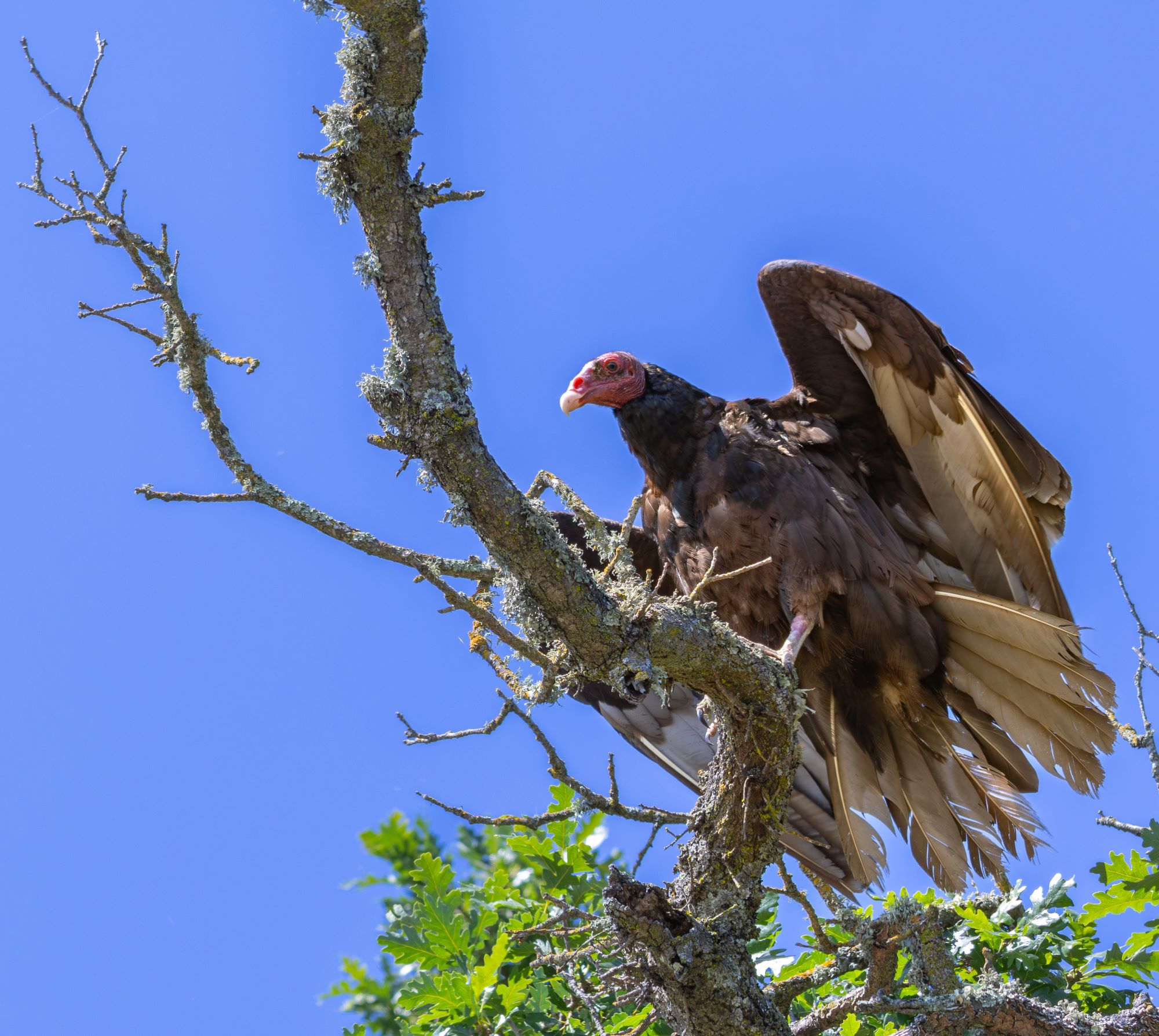
The decline of large scavengers could increase the risk of disease for humans

A team from Stanford University (USA) has analysed the conservation status of 1,376 species of scavenger animals. The results, published in the journal PNAS, indicate that 36% of them are threatened or in decline, especially large species and obligate scavengers, which depend exclusively on carrion for food. In contrast, the number of small and facultative scavengers, such as rodents, for which carrion is not their only source of food, is increasing. According to the authors, this ‘could increase the risks of diseases that large scavengers have helped to mitigate’.

0

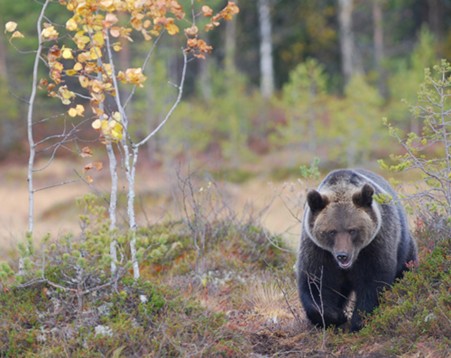
A macro study examines how other species and climate change influence the geographical distribution of brown bears

An international research project involving Spanish participation has analysed the distribution of brown bears in Europe and Turkey. To do this, the team studied more than three million locations belonging to some 3,000 bears, with data from 14 European and Turkish subpopulations in very different environments. The main conclusion is that bears occupy areas where the species that form part of their diet are distributed. The study, published in Global Change Biology, shows that the influence of climate change on these species also has an impact on the distribution of bears.

0

The economic cost of some invasive species may be 1600% higher than previously estimated

A study published in Nature Ecology & Evolution concludes that the global economic cost of invasive species may be, in the case of some of them, more than 1,600% higher than previously estimated. By region, the highest costs were recorded in Europe, and by species, invasive plants generated the greatest impacts. According to the authors, these results - based on data from 162 species - could help countries to plan cost-effective management. 

0

An article analyses the ethical challenges of extinguishing species through genetic modification

New gene editing technologies, such as gene drive tools, open the door to deliberately extinguishing species. An analysis article published in Science examines the ethical implications of this possibility based on three specific examples: the eradication of rats, the cattle barren worm, and the Anopheles gambiae mosquito, which transmits malaria. The analysis attempts to answer the question: ‘When and under what circumstances could the intentional eradication of a species be justified?".

0

COP16 agrees to adopt first global plan to finance nature conservation

The 16th meeting of the United Nations Conference on Biodiversity (COP16) in Rome has concluded with an agreement to adopt the first global plan for financing nature conservation, after three days of meetings. This meeting meant resuming the negotiations that began last October in Cali (Colombia), where the parties failed to reach an agreement on how to finance the Kunming-Montreal Global Biodiversity Framework reached at COP15, which aims to protect a third of the land and oceans by 2030.

0

Conservation efforts focus on a few popular species

One study suggests that conservation efforts are concentrated around a small number of charismatic species, such as elephants. However, there are undervalued species, such as fungi, plants and invertebrates, that are critical to the functioning of ecosystems. The research, published in the journal PNAS, analysed more than 14,000 conservation projects spanning a 25-year period - from 1992 to 2016. Of the nearly $2 billion allocated by the projects, 83% went to vertebrates. Plants and invertebrates each received 6.6% of the funding, while fungi and algae received less than 0.2%.

0

Genetic diversity has decreased in more than 600 species in the last three decades

A meta-analysis that brings together data from 628 species of animals, plants and other organisms in terrestrial and marine ecosystems over the last three decades shows that most are losing genetic diversity, especially mammals and birds. ‘The threats affected two thirds of the populations we analysed and less than half are subject to conservation management measures,’ say the authors of the research, published in Nature.

0

Study shows bottom fishing reduced by 81% in protected deep-sea ecosystems, but infringements continue

Since the implementation of protective closures in 2022, bottom fishing in European waters has declined by 81% in 87 vulnerable marine ecosystems located at depths of 400-800 metres, a study published in Science Advances reveals. However, according to the authors, these deep-water regions continued to receive many incursions by Spanish and French vessels.

0

A quarter of freshwater wildlife is threatened with extinction

An assessment of the extinction risk of freshwater fauna, covering more than 23,000 species, reveals that around 24% of the species studied are at risk of extinction. The analysis, published in Nature, identifies the main threats from pollution, dams, agriculture and invasive species. Decapods - such as freshwater crabs and shrimps - have the highest percentage of threatened species (30 %), followed by freshwater fish (26 %) and odonates - such as dragonflies (16 %).

0