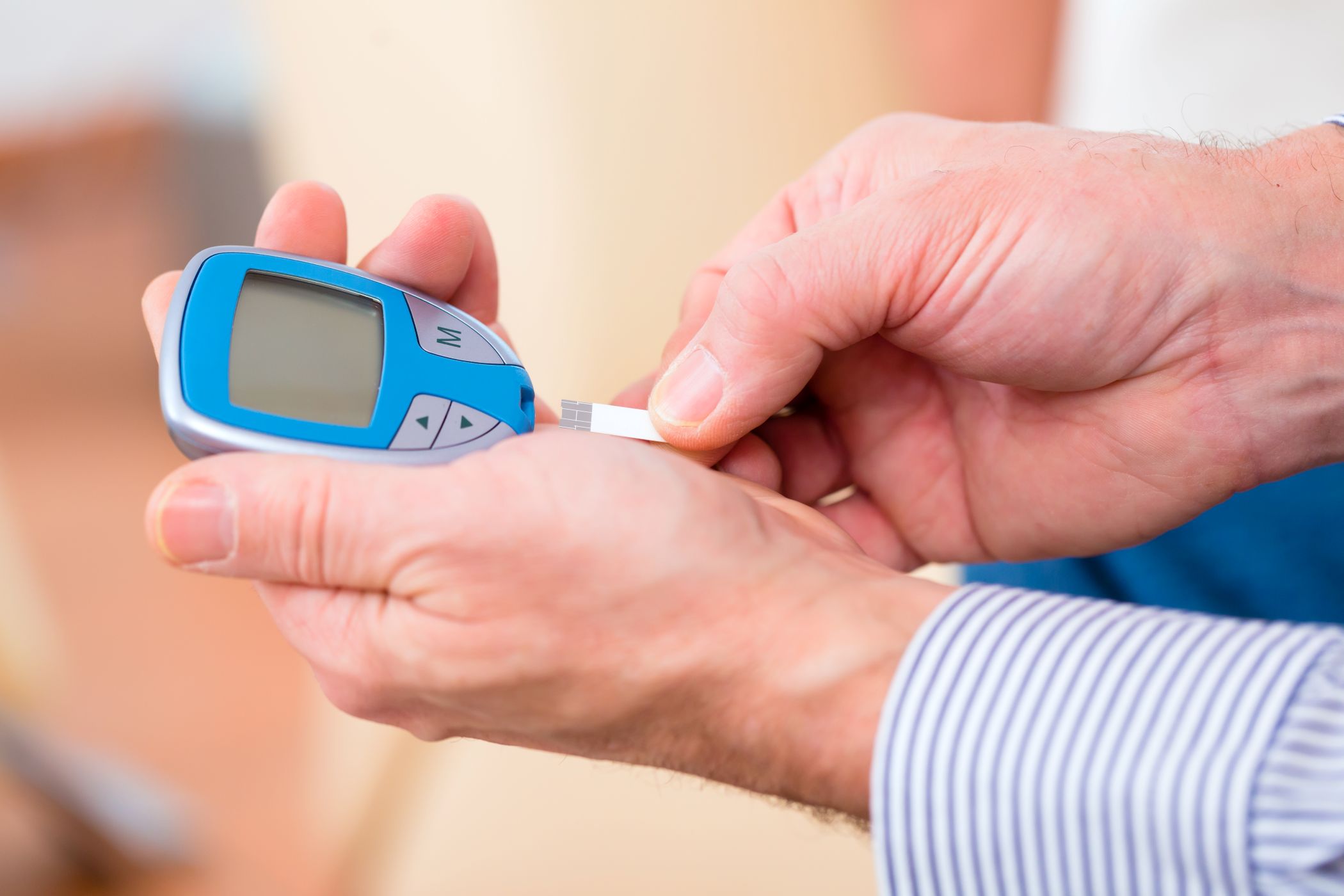
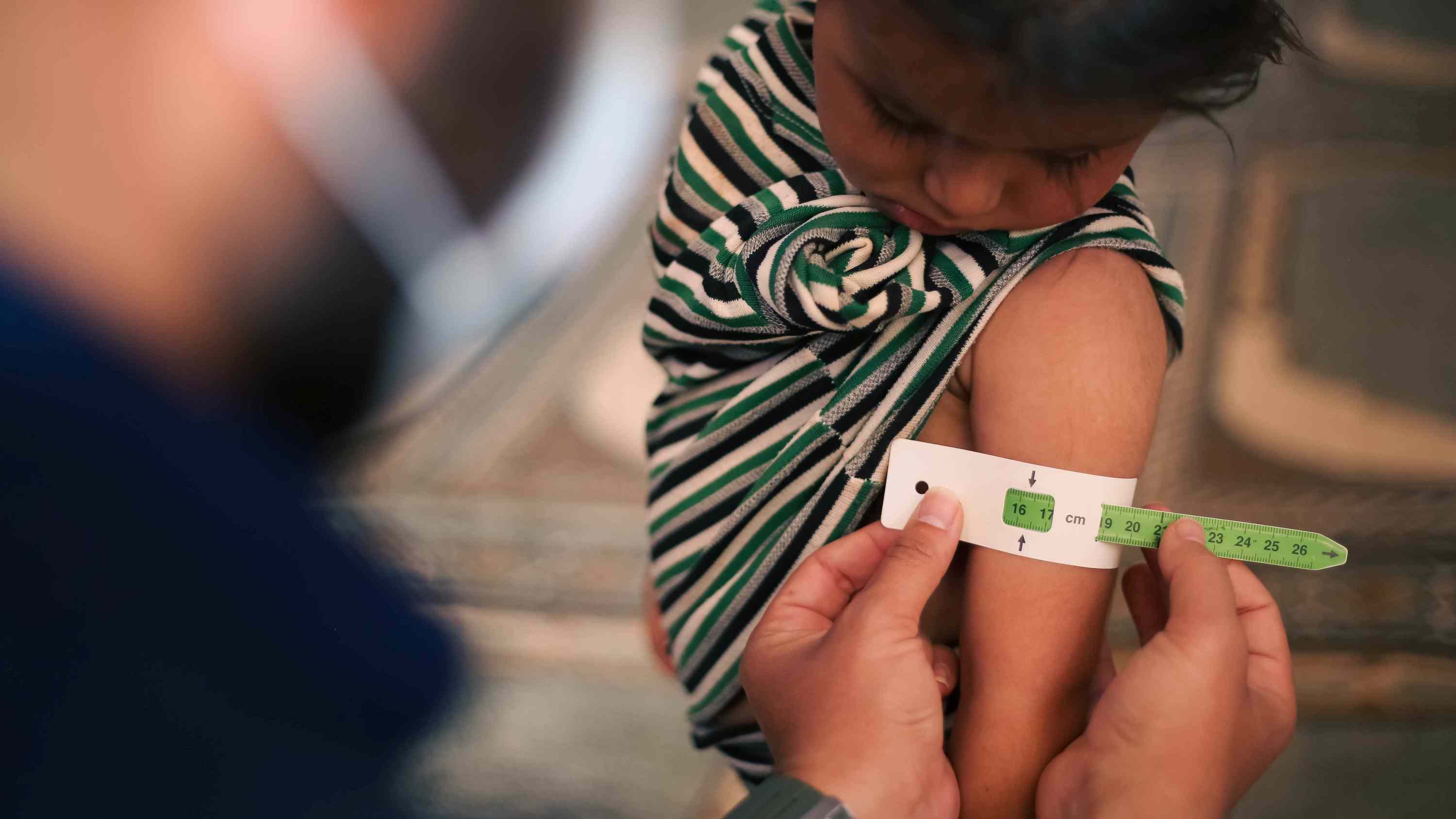
diabetes

diabetes

diabetes

People with type 1 and type 2 diabetes are at greater risk of sudden cardiac death

A study published in the European Heart Journal shows that people with type 1 and type 2 diabetes have a higher risk of sudden cardiac death than those without these diseases. In addition, their life expectancy is lower. The research analysed data from 6,862 cases of sudden cardiac death in Denmark in 2010, and concluded that the incidence of these deaths is 3.7 times higher in people with type 1 diabetes than in the general population, and 6.5 times higher in people with type 2 diabetes. Those under the age of 50 were at the highest risk.

0

Specialists urge medical community to recognize type 5 diabetes as a separate disease

In an analysis published by The Lancet Global Health, a panel of specialists urges the medical community to recognize type 5 diabetes as a disease distinct from other types of diabetes. This form of the disease —first described in 1955 and whose name “type 5” was recognized by the International Diabetes Federation in April 2025— affects 25 million people with a low body mass index, mainly in low- and middle-income countries, according to the authors' estimates. People with type 5 diabetes do not produce enough insulin, but their bodies process insulin normally. In addition, they do not usually suffer from ketoacidosis —an acute metabolic complication of diabetes— and their immune systems do not attack the pancreas. 

0

Three servings of French fries per week linked to higher risk of diabetes

Eating three servings of French fries per week is associated with a 20% increase in the risk of developing type 2 diabetes, but eating similar amounts of potatoes cooked in other ways (boiled, baked, or mashed) does not substantially increase the risk, according to a study published in BMJ. The study, which analyzed the diets of more than 205,000 adults over decades, showed that replacing any form of potato with whole grains was associated with a lower risk of type 2 diabetes.

0

Two mixtures of food additives are associated with the development of type 2 diabetes

Consuming certain mixtures of common food additives is linked to a slightly increased risk of developing type 2 diabetes, according to an analysis of data from more than 108,000 adults in France. The study, published in PLoS Medicine, identified five mixtures of additives frequently used in ultra-processed foods and concluded that two of them are associated with the disease: the first mixture consisted mainly of emulsifiers, preservatives and a colouring agent, and the second of acidifiers, acidity regulators, colouring agents, artificial sweeteners and emulsifiers.

0

Maternal diabetes is associated with an increased risk of neurodevelopmental disorders in children, according to a review

A review of 202 studies involving more than 56 million mother-child pairs has observed an association between maternal diabetes — including pre-pregnancy and gestational diabetes — and an increased risk of neurodevelopmental disorders in children, such as autism spectrum disorders, attention deficit hyperactivity disorder or intellectual disability. The authors, who publish the results in the journal The Lancet Diabetes & Endocrinology, call for a cautious interpretation of the association, as there is currently little evidence of a causal relationship.

0

Use of GLP-1 analogue drugs is associated with benefits but also health risks

The use of glucagon-like peptide-1 receptor agonists (GLP-1RAs), used to treat diabetes and obesity, may be associated with a wide range of health effects, both positive - such as a reduced risk of cardiometabolic disorders - and negative - an increased risk of gastrointestinal conditions or hypertension. These are the conclusions of an observational study published in Nature Medicine. The findings are based on analysis of data from 2.4 million participants.

0

The rationing of sugar in early years reduces the risk of chronic diseases in adulthood

The restriction of sugar during the first 1,000 days of life, starting from gestation, may protect against diabetes and hypertension in adulthood, according to a study published in Science. The research uses data from sugar rationing implemented in the United Kingdom after World War II. The findings highlight the long-term benefits of reduced sugar intake during early development.

0

Adults with early-onset type 2 diabetes are almost four times more likely to die than the general population

A team of researchers has analysed the evolution of 4,550 people aged 25 to 65 diagnosed with type 2 diabetes who had been studied for 30 years in the UK. They found that those diagnosed before the age of 40 had a risk of dying almost four times higher than in the general population. If diagnosed later, the risk was 1.5 times higher. The authors publish their findings in the journal The Lancet Diabetes & Endocrinology.

0

Slimming drug liraglutide is safe and effective in children under 12 years of age

A new study presented at the annual meeting of the European Association for the Study of Diabetes (EASD), being held in Madrid from September 9-13, and published simultaneously in the New England Journal of Medicine (NEJM), has revealed that liraglutide, an anti-obesity drug, is safe and effective in children aged 6-12 years.

0