Ana B. Marín Arroyo

Ana B. Marín Arroyo

Ana B. Marín Arroyo
Position

Professor of Prehistory at the University of Cantabria and director of the EvoAdapta R&D&I Group

The last Neanderthals in northwestern Europe had greater genetic diversity than previously thought
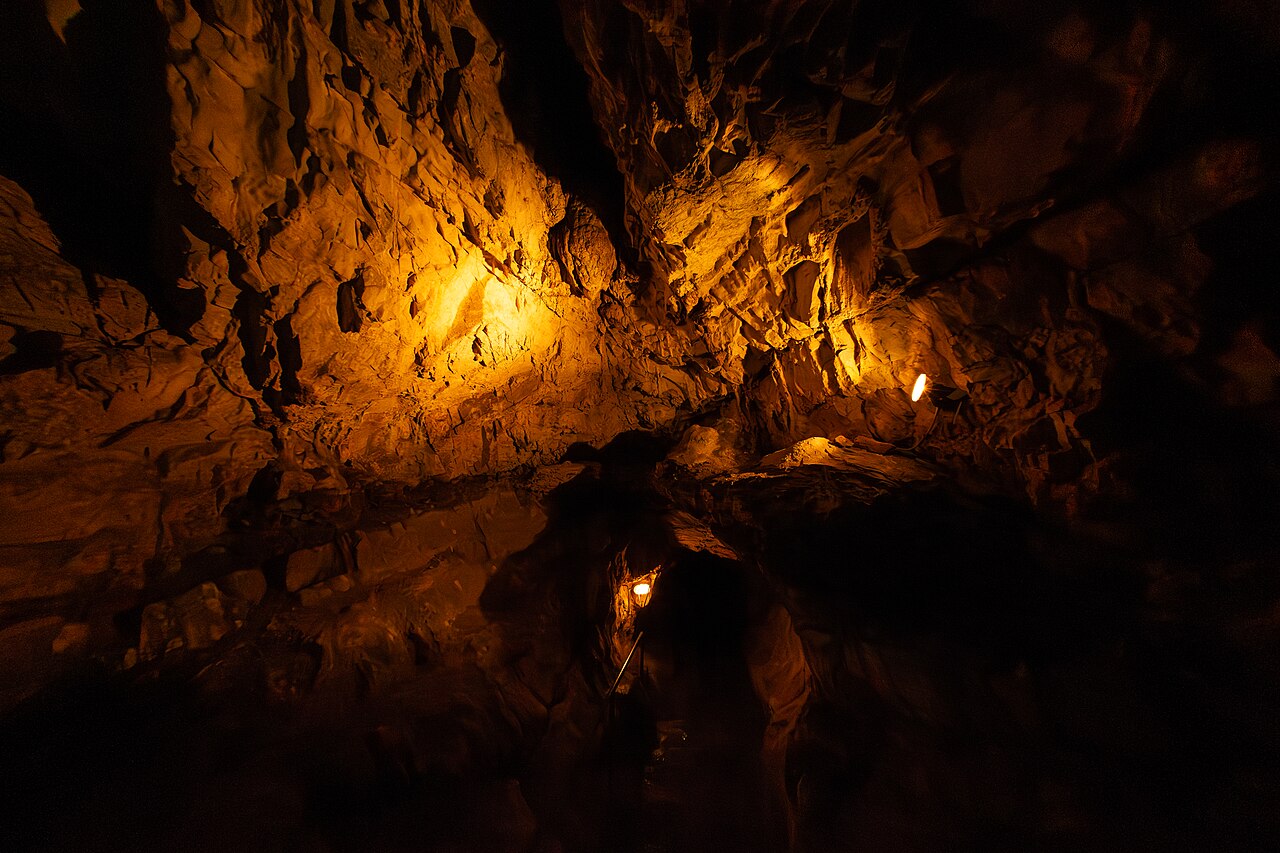
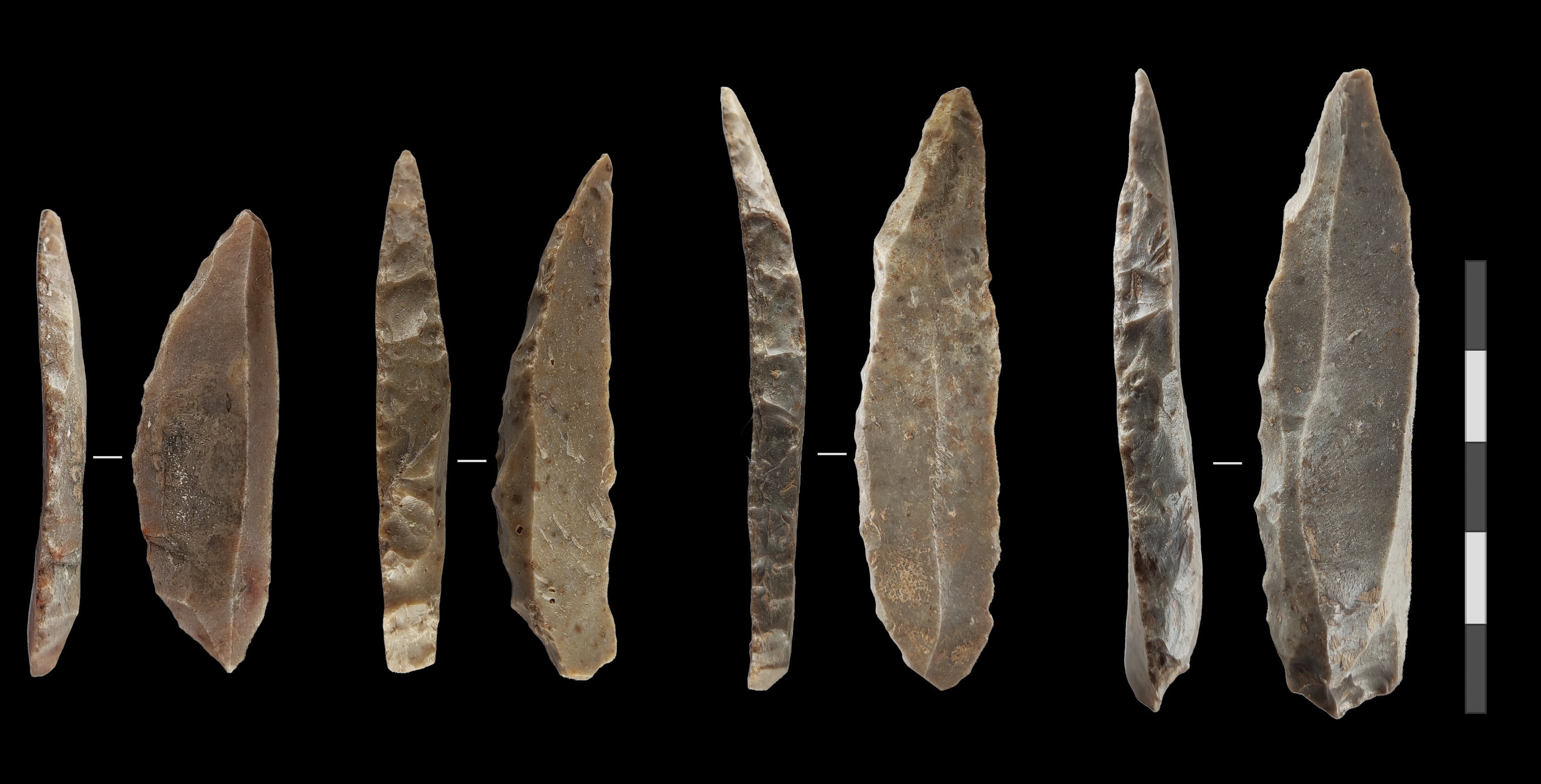
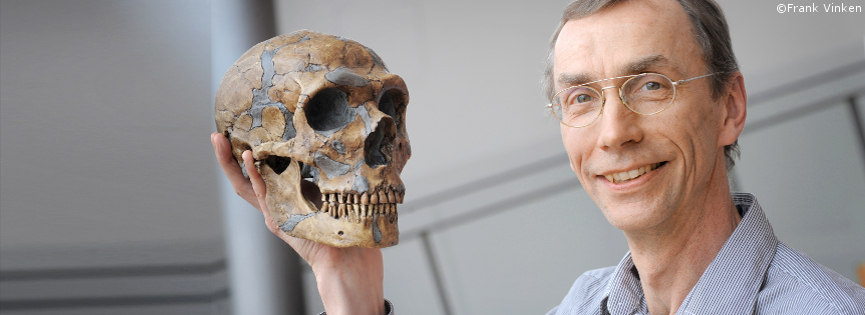
An article published in Nature shows that the last Neanderthals in northwestern Europe exhibited greater genetic variability than previously thought, which, according to the authors, could call into question the idea that this was one of the causes of their extinction. The study included genetic data from 27 Neanderthals dating back about 52,500 years, found at ten sites in France and Belgium. The genome of a 45,000-year-old Neanderthal found in Belgium was also sequenced. According to the results, these Neanderthals lived in large, well-connected groups, as they showed no signs of inbreeding. Although they temporarily coexisted with early modern humans in that region, the study found no evidence of interbreeding with them.

0
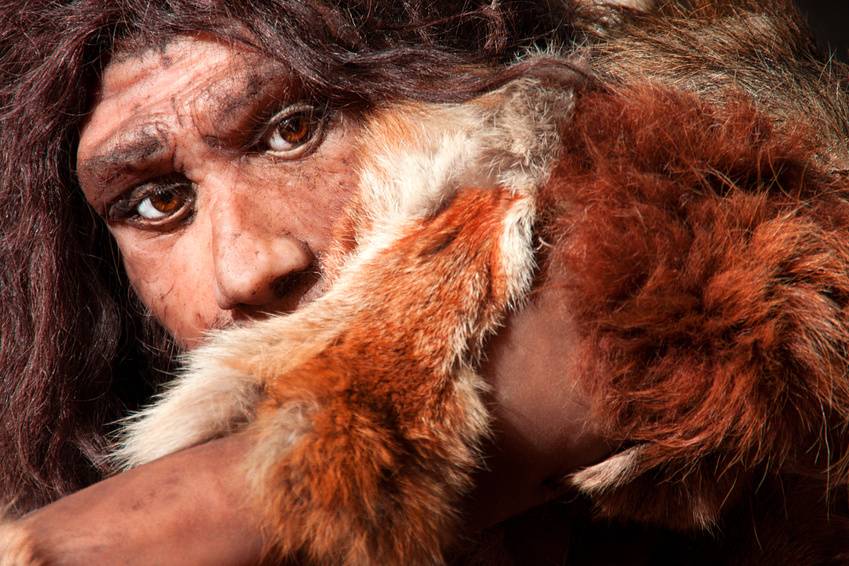
Genomic analysis clarifies the chronology of Neanderthal-modern human admixture and its genetic impact on our species

A team of researchers has analyzed more than 300 human genomes from the last 50,000 years and has concluded that most of the gene flow we received from Neanderthals is attributable to a single period, which probably occurred between 50,500 and 43,500 years ago. In addition, Neanderthal inheritance underwent rapid natural selection in subsequent generations, especially on the X chromosome, according to a study published in Science.

0

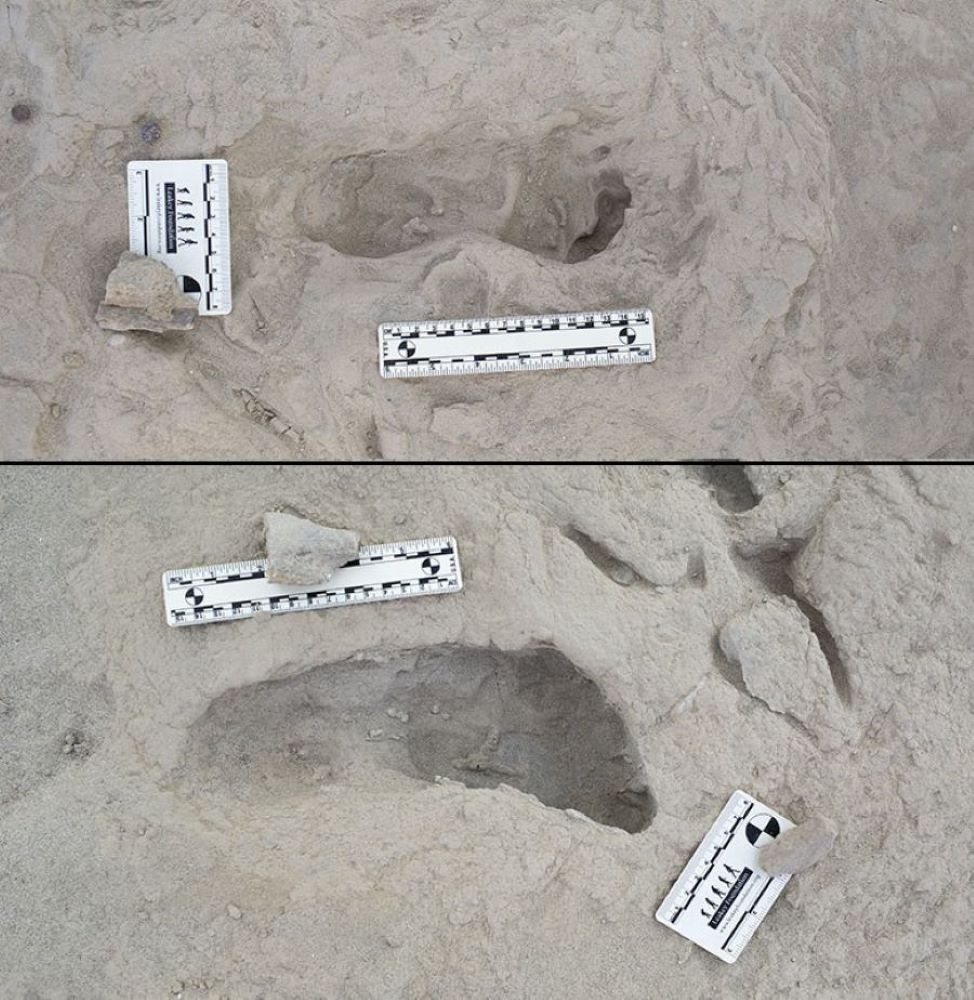
Footprints of coexistence of different hominids described in Kenya 1.5 million years ago

At least two hominin species - Homoerectus and Paranthropus boisei- coexisted in Kenya's Turkana Basin around 1.5 million years ago, a study published in Science confirms. The authors describe the first physical evidence of this coexistence in the form of footprints, found at several sites in the area.

0