Joan O. Grimalt

Joan O. Grimalt

Joan O. Grimalt
Position

Research Professor at the CSIC, Department of Environmental Chemistry at the Institute of Environmental Diagnosis and Water Studies (IDAEA-CSIC)

The level of mercury in rivers has more than doubled since the Industrial Revolution
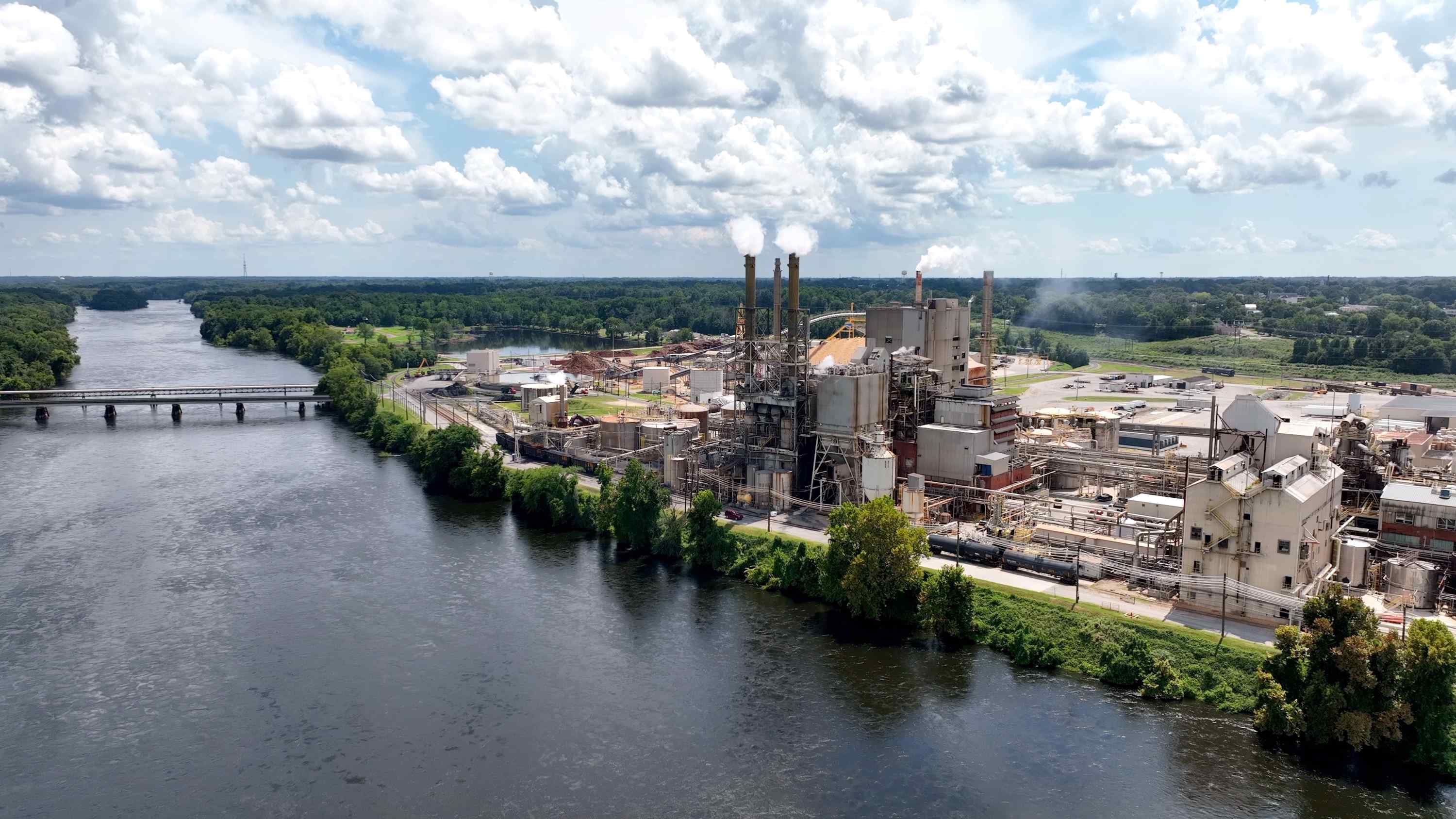
A model has analysed mercury concentrations in rivers around the world from 1850 to the present day. The results, published in Science Advances, conclude that levels have doubled and even tripled since the Industrial Revolution: before 1850, rivers carried approximately 390 metric tonnes of mercury to the oceans each year, and today that figure has risen to around 1,000 metric tonnes. According to the authors, these results have implications for human health and wildlife, as mercury compounds are neurotoxic, can accumulate in fish and pose a health risk through consumption.

0
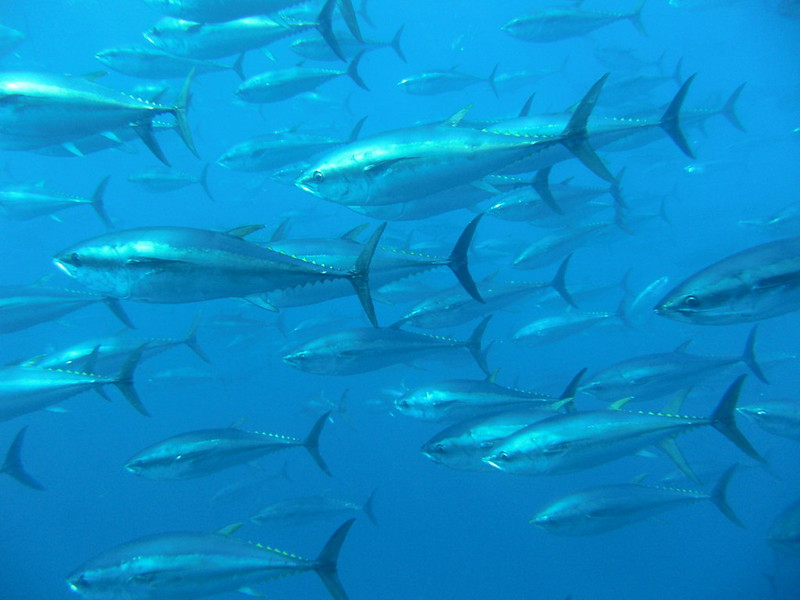
Reactions: mercury concentration in tuna has not been reduced in the last decades

Mercury concentrations in tuna have remained stable between 1971 and 2022, even though emissions of this metal from human activities have decreased over the same period, a study says. 'Aggressive' emission reduction targets are needed to achieve measurable declines in concentrations of this pollutant, which is toxic for human health, the authors write in the journal Environmental Science & Technology Letters. The Minimata Convention on Mercury, a global treaty that entered into force in 2017, bans new mercury mines and includes provision to reduce mercury use, but mercury has already accumulated in the ocean 'for centuries', the article says.

0