Juli Peretó

Juli Peretó

Juli Peretó
Position

Professor of Biochemistry and Molecular Biology at the University of Valencia

Scientists in the United States claim to have built a synthetic cell that can feed and reproduce

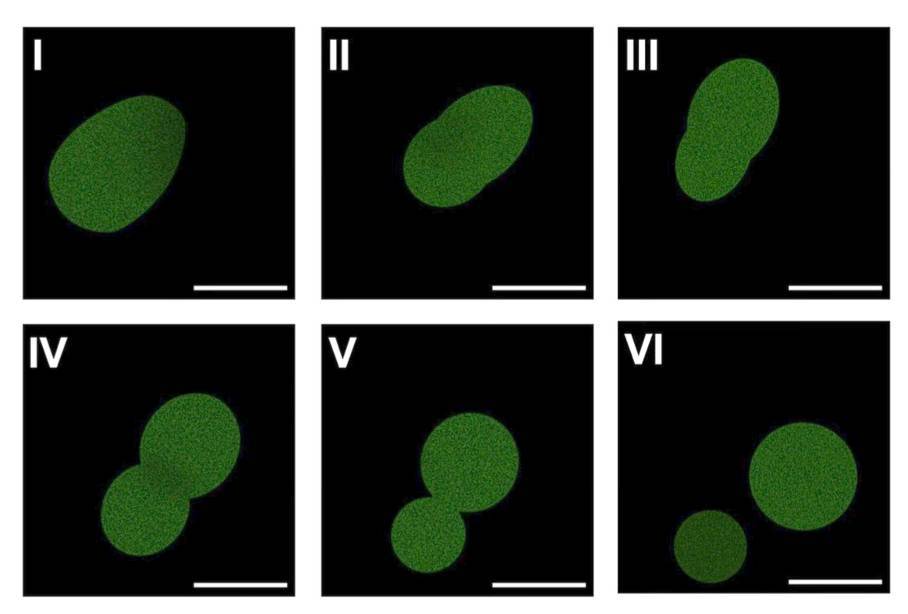
The team led by scientist Kate Adamala of the University of Minnesota has released the news—under an embargo—to several media outlets regarding the creation of a synthetic cell capable of feeding, growing, and replicating, which they have named Spudcell. Their work, which, according to Science News, was rejected by the journal Cell, is published on the team’s website, pending peer review.

0

A Spanish study published in Nature reimagines the origin of our cells as a story of microbial alliances

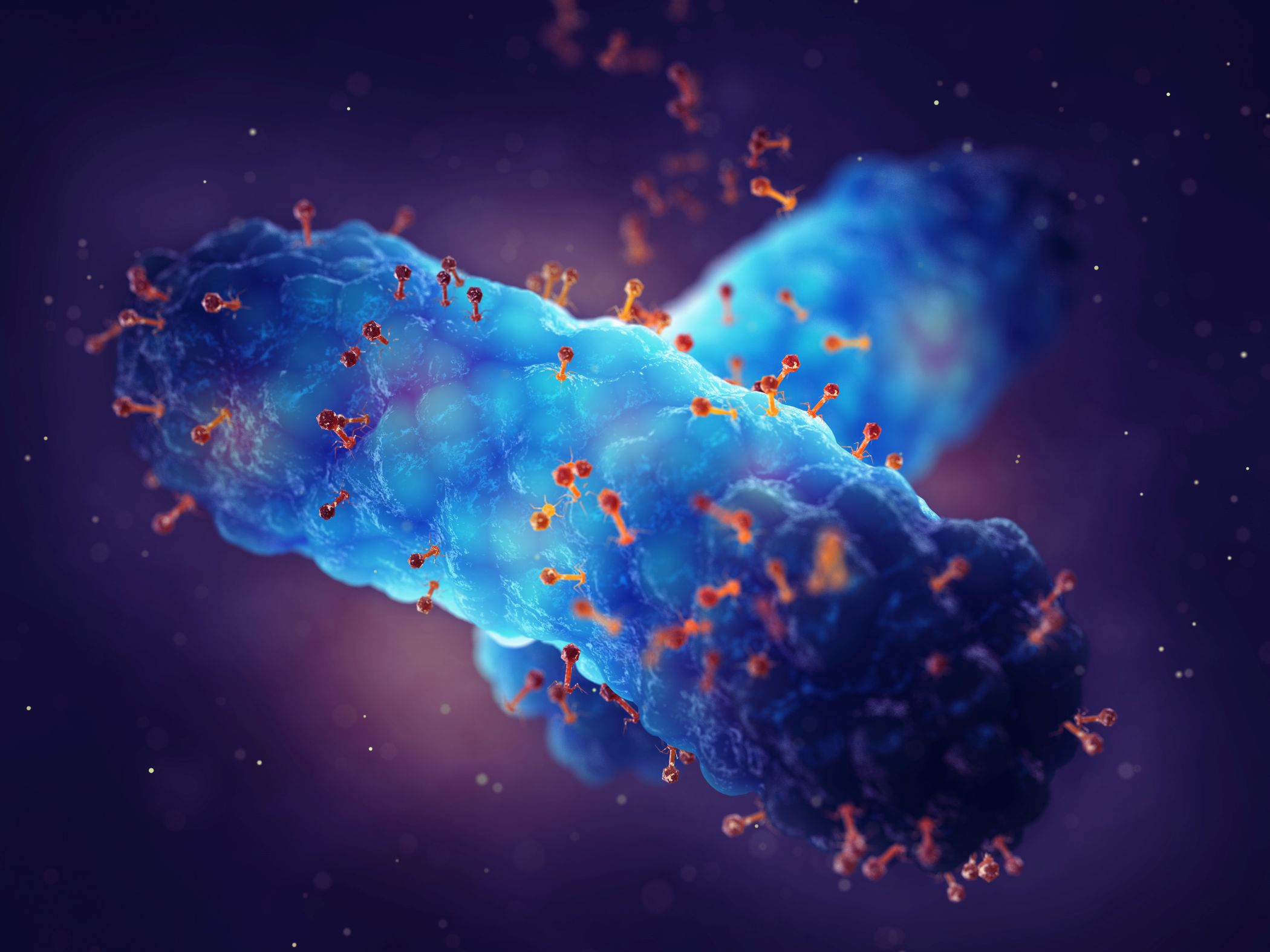
The origin and the process by which eukaryotic cells arose remains one of the great unanswered questions in biology, with Lynn Margulis’s theories regarding the incorporation of a bacterium that would later become the mitochondrion marking a major turning point. Now, Spanish research carried out by IRB Barcelona and the Barcelona Supercomputing Center challenges this view. Without denying the role of mitochondria, it suggests that the process was longer and more complex than previously thought, stretching over hundreds of thousands of years. At least two other different bacteria contributed to the development of eukaryotic cells, and giant viruses appear to have acted as vehicles for genetic transfer. The findings, published in Nature, suggest a much more protracted and gradual process of exchange between microorganisms.

0

Reactions: Yeast with over half of its genome synthetic developed for the first time

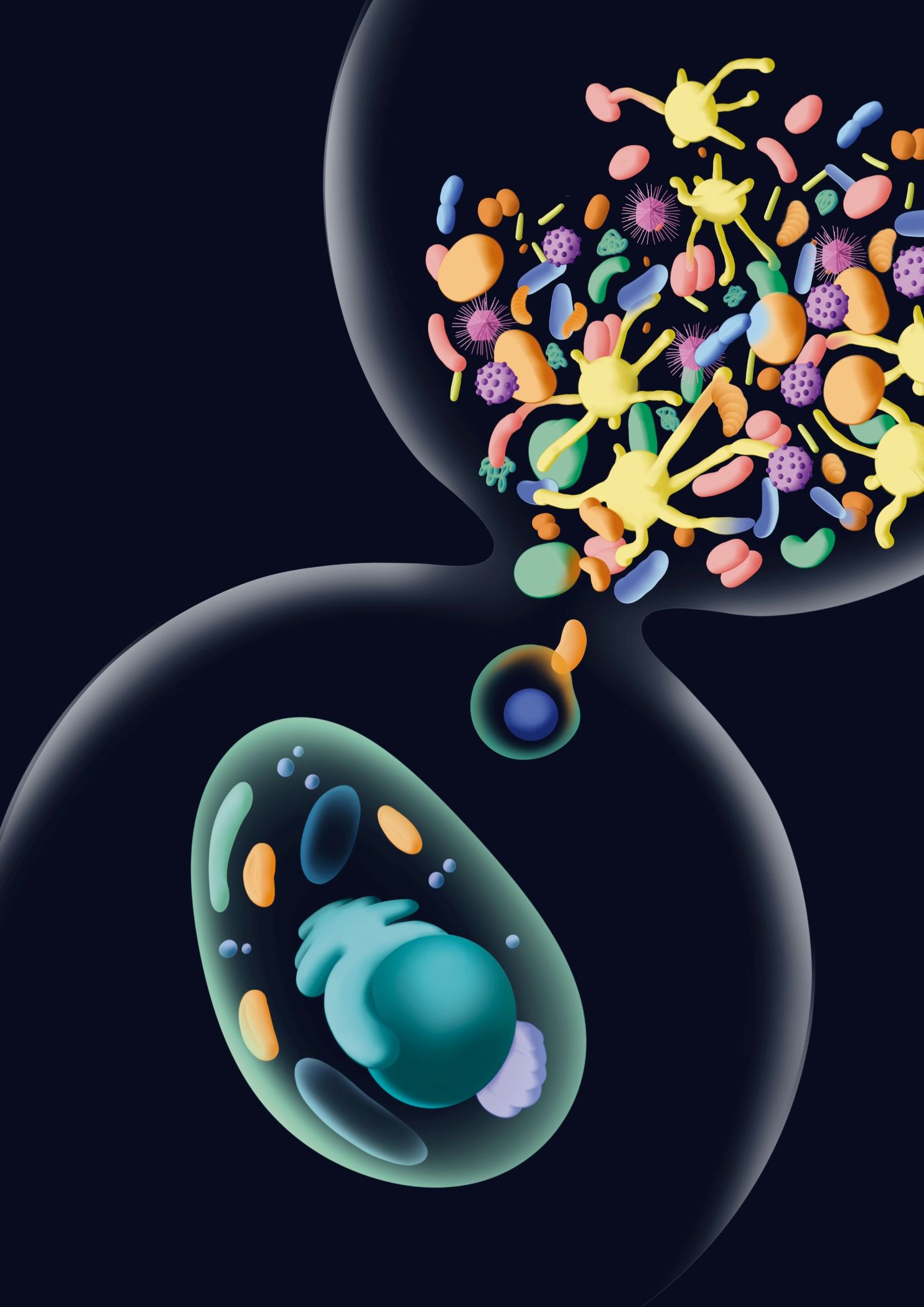
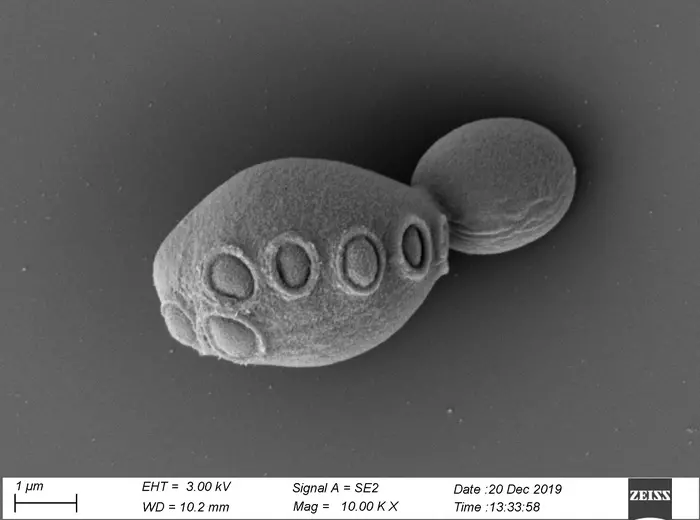
A team of researchers has managed to combine more than seven synthetic chromosomes made in the laboratory in a single yeast cell. This involves developing for the first time a eukaryotic cell with more than 50% synthetic DNA, which survives and replicates in a similar way to wild yeast strains. The results, which are part of the Synthetic Yeast Genome Project (Sc2.0), are published in the journal Cell.

0