Julio Díaz

Julio Díaz

Julio Díaz
Position

Research professor and co-director of the Reference Unit on Climate Change, Health and the Urban Environment at the Carlos III Health Institute

Pollution and going back to school: how air quality affects children's health

A new school year has begun, and pollution, which exceeds recommended limits in many urban centres, will once again affect children and their families. What consequences could this have on health? How does climate change affect it? What solutions can be implemented? SMC Spain organised an informative session with Julio Díaz and Cristina Linares to answer these questions.


0

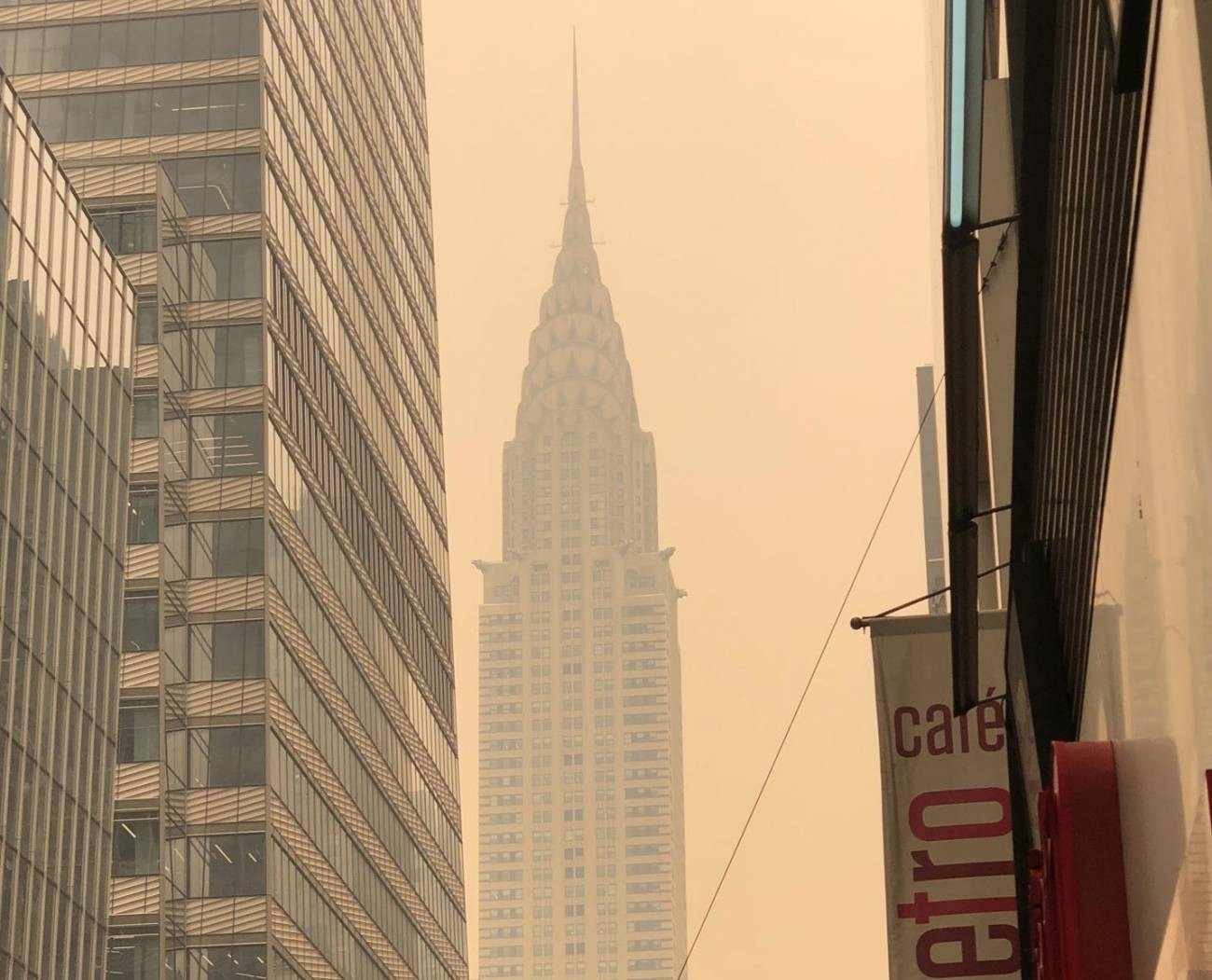
Pollution from the 2023 Canadian wildfires linked to nearly 70,000 deaths in North America and Europe

More than 350 million people in North America and Europe may have been affected by fine particulate matter (PM2.5) pollution from the 2023 Canadian wildfires, according to estimates from a study published in Nature. The authors estimate that 5,400 acute deaths in North America and 64,300 chronic deaths in North America and Europe were attributable to exposure to these particles originating from Canadian forest fires.


0

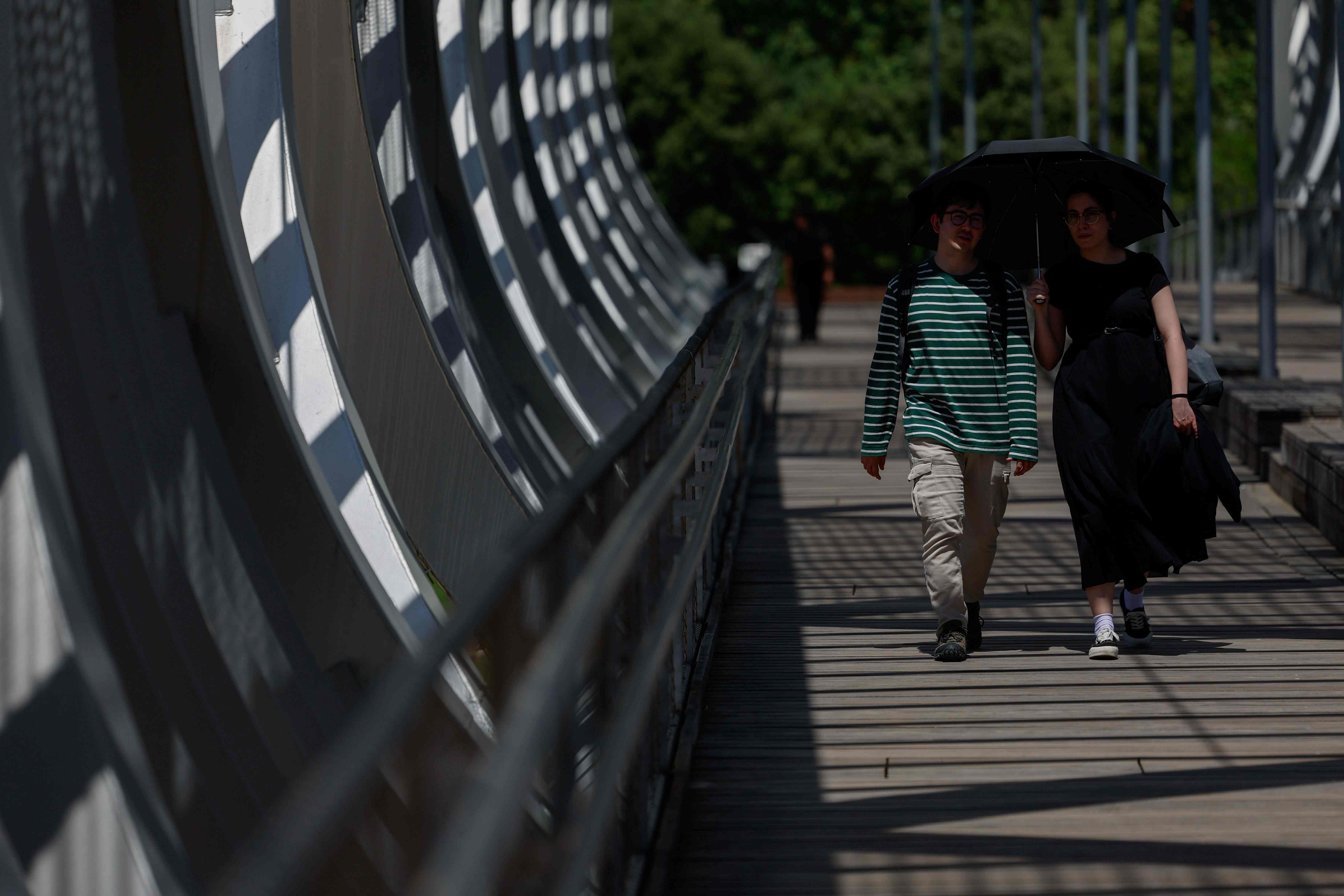
Heat culture in Spain: 20 years of prevention plans to face the extreme temperatures

August 2003 was the month of the heatwave that killed 70,000 people in Europe. In France, with 14,800 deaths, the Minister of Health resigned, and in Spain, with 6,500, the first prevention plan for the extreme heat was put in motion, which came into force in 2004. Two decades later, campaigns and preventive measures in social services, nursing homes, and hospitals have generated the so-called "heat culture," and although temperatures continue to rise due to climate change, this adaptation is limiting its impact.

1

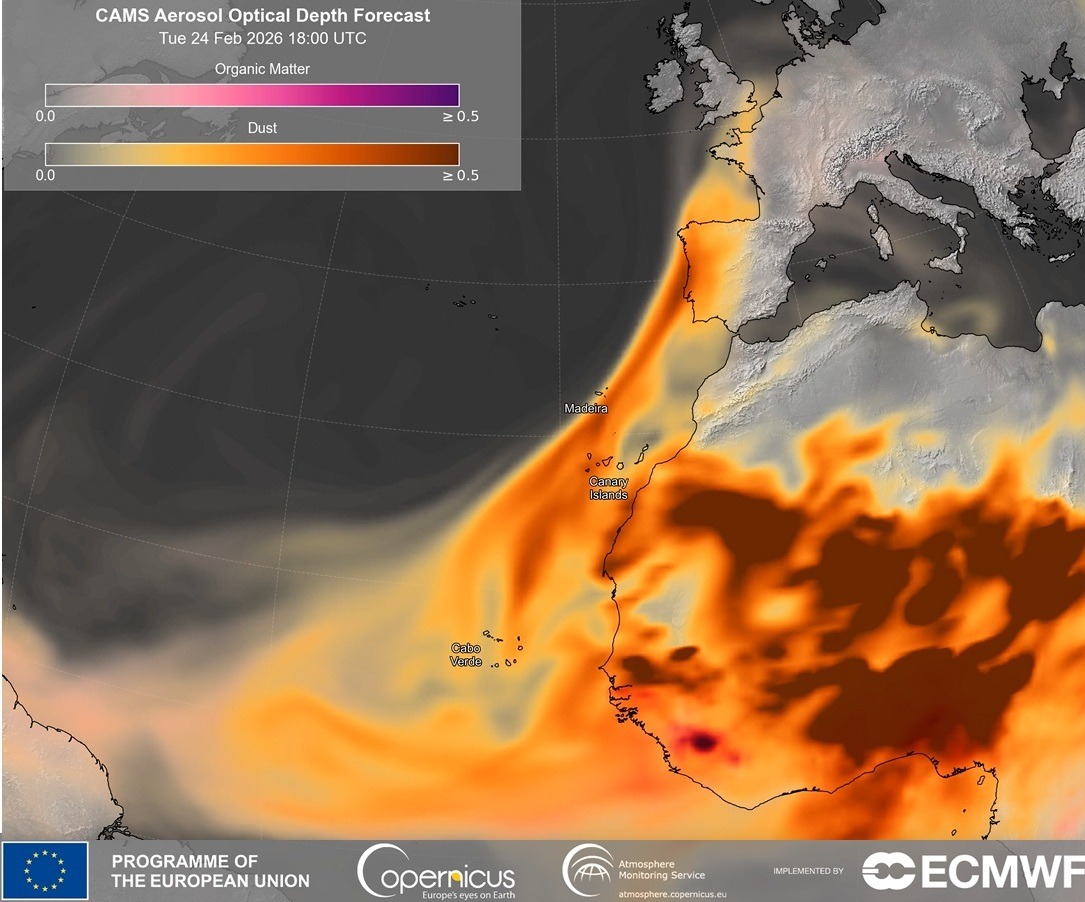
How Wildfires and Saharan Dust Affect Hospitalizations for Psychological Disorders

A team led by the Carlos III Health Institute has analyzed how short-term concentrations of particles associated with wildfires and Saharan dust incursions influence hospital admissions in Spain due to mental and behavioral disorders. The results were explained in a briefing organized by the Science Media Centre Spain. 


0

Increasing proportion of older people exposed to heat that is hazardous to their health

Twenty-three per cent of the world's population over the age of 69 will be living with acute heat exposure by 2050, compared to 14 per cent in 2020, according to a study published in Nature Communications. The research highlights southern Europe, parts of North and South America, Southeast Asia and all of Australia as areas of ‘increasing stress’, where higher heat exposure overlaps with an increasingly ageing population. The effects will be most severe in Asia and Africa, according to the study. 

0

Spain and extreme weather events: the Health and Climate Change Observatory needs to be set up as a matter of urgency

On the eve of an episode of unusually high temperatures for this time of year, it is time to take stock of the summer we have experienced, characterised by a succession of extreme weather phenomena in the form of heat waves, drought and torrential rains. The seriousness and complexity of these problems and their repercussions in many areas, especially on health, make it urgent to set up the Health and Climate Change Observatory approved last July, with a stable and independent structure.

1

Researching the health effects of high temperatures goes beyond estimating deaths

Counting deaths attributable to the effects of high temperatures is basic as a public health surveillance tool, but it should not become the only research objective. It is necessary to know why the population in some places adapts better than others to heat waves, what variables influence them, and to modify them when possible.

1