Nabil Djouder

Nabil Djouder

Nabil Djouder
Position

Head of the Growth Factors, Nutrients and Cancer Group of the National Cancer Research Center (CNIO)

Universal molecular ‘clocks’ of ageing and mortality identified in mammals

Ageing is characterised by the accumulation of cellular damage. Among the biomarkers associated with this process are epigenetic ‘clocks’, which analyse non-genetic modifications of DNA over time. However, these approaches have certain limitations, as they do not reflect the activity of specific genes. Now, a study published in Nature has analysed more than 11,000 transcriptomes from over 25 tissues in mice, rats, macaques and humans, showing that ageing-associated changes are conserved across species and cell types. The findings reveal universal transcriptomic signatures of ageing and mortality in mammals. Using these data, the authors developed their own molecular ‘clocks’, capable of estimating biological age and expected mortality.

0

Taurine is not a reliable marker of ageing, study shows

Several studies have suggested that taurine concentrations in the blood decrease with age and that supplementation with this amino acid could delay ageing. Now, a study carried out in the USA with Spanish participation, including data from humans, monkeys and mice, shows that this decline is not systematic and that it depends more on individual factors than on ageing, so taurine is not a reliable marker of ageing. The results are published in the journal Science.

0

Reaction: Beef and dairy products have nutrients that enhance the immune response to cancer

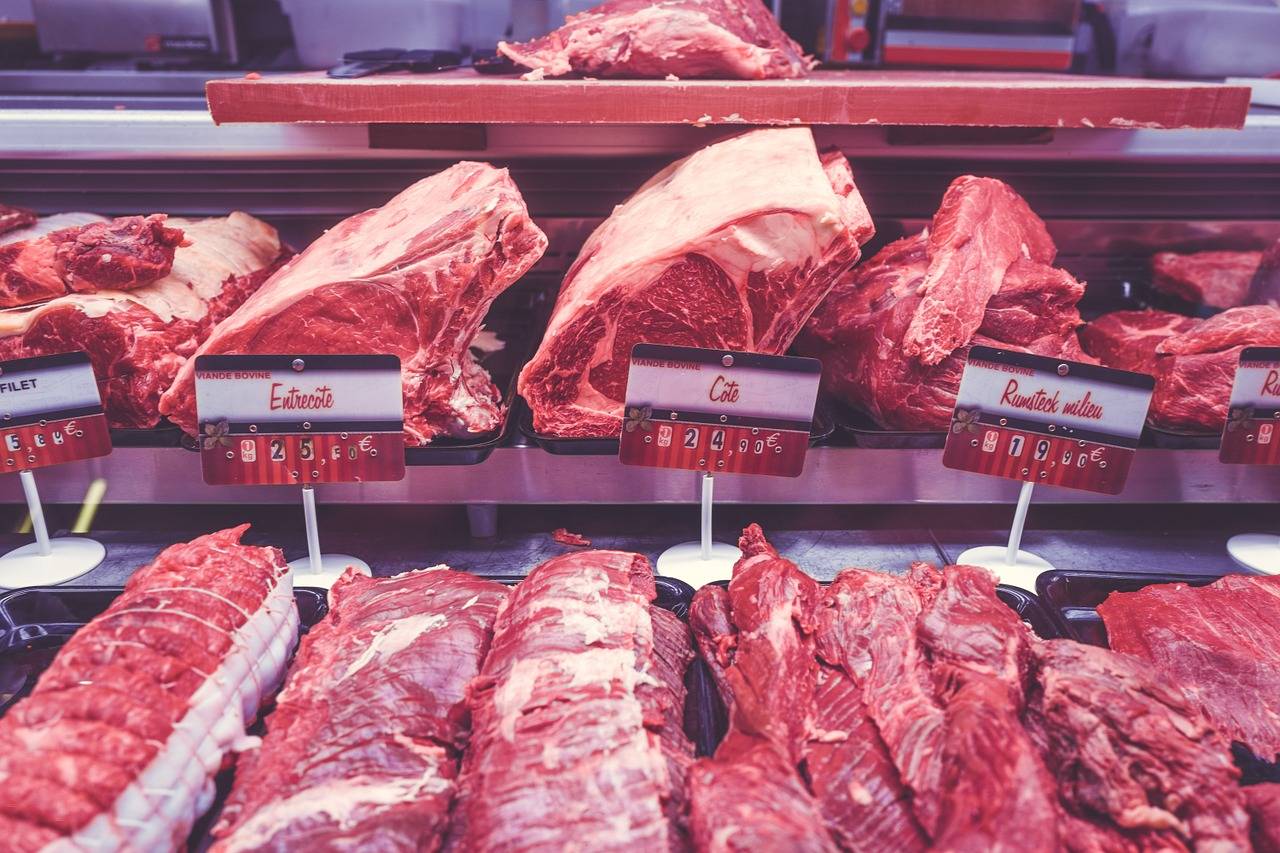
A fatty acid present in the meat and dairy products of grazing animals, such as cows and sheep – trans-vaccenic acid (TVA) – enhances the ability of CD8+ T cells to infiltrate tumors and eliminate cancer cells, according to a new study conducted by researchers from the University of Chicago (USA), published today in the journal Nature.

0

Reactions: klotho protein administration improves memory in aged macaques

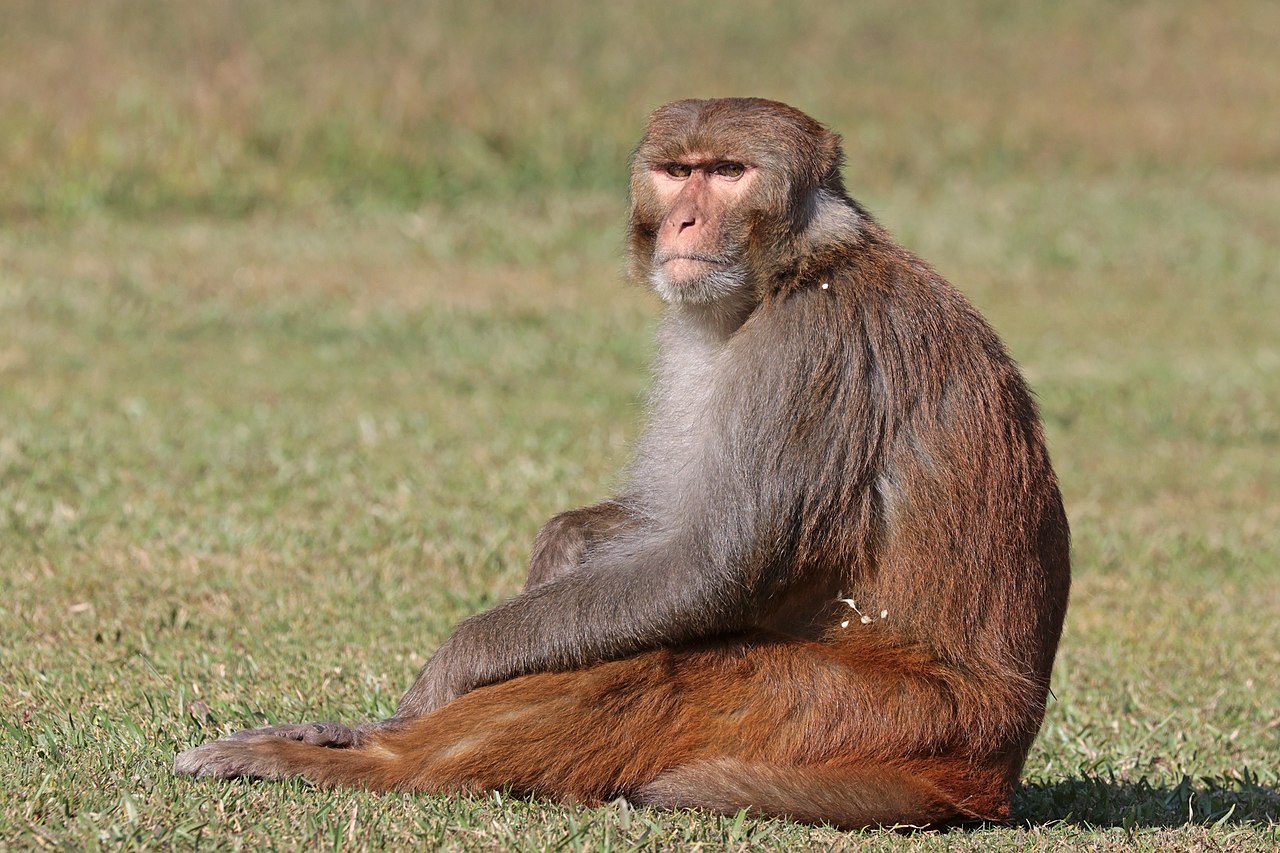
Klotho is a protein whose concentrations tend to decline with age and which has been linked to ageing processes. Now, researchers have found that administration of the protein improves cognitive function in aged rhesus macaques, including benefits in spatial and working memory. According to the authors, who publish the results in the journal Nature Aging, its use "may be therapeutic in humans".

0

Reactions: Study shows reversing age-related taurine loss with supplements improves longevity and health in animal models

Taurine is one of the most abundant amino acids in animals. As reported in research published in Science, its loss may contribute to the ageing process. According to the study, reversing age-associated taurine deficiency through supplementation improved life expectancy in worms and rodents, while improving some health parameters in non-human primates, which the authors believe would warrant further human trials to examine its effect on life expectancy and the potential risks involved.

0

Reactions: reduced oxygen levels are shown for the first time to increase life expectancy in mice

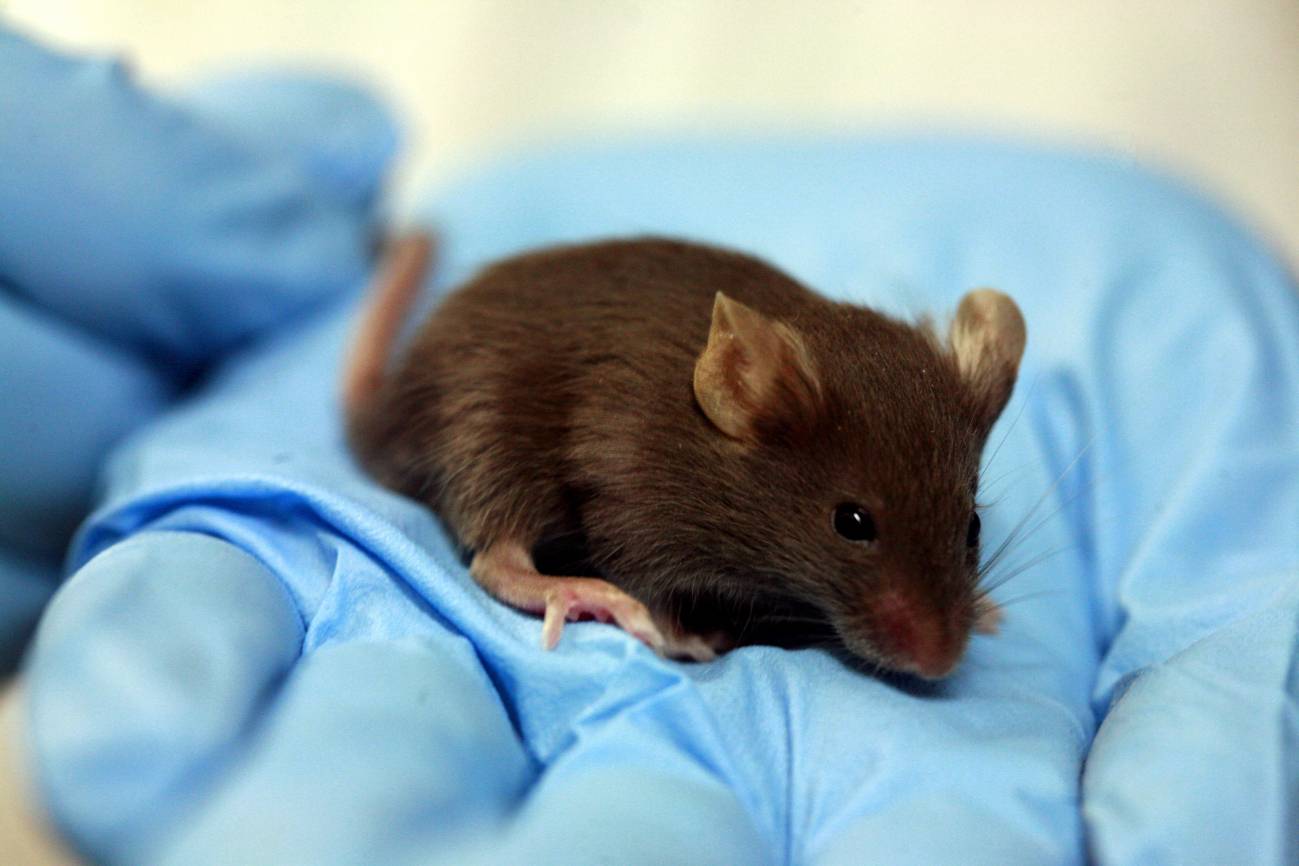
Researchers have shown that hypoxia, or oxygen restriction - equivalent to living at 5,000 metres above sea level - increases life expectancy by up to 50% and decreases neurological decline in laboratory mice. It has already been shown in yeast, worms and flies, but this is the first time it has been demonstrated in mammals. The results are published in the journal PLOS Biology. 

0