Olga Zamora

Olga Zamora

Olga Zamora
Position

Support astronomer at the Canary Islands Institute of Astrophysics

A study warns of the impact that satellite megaconstellations will have on images from space telescopes such as Hubble

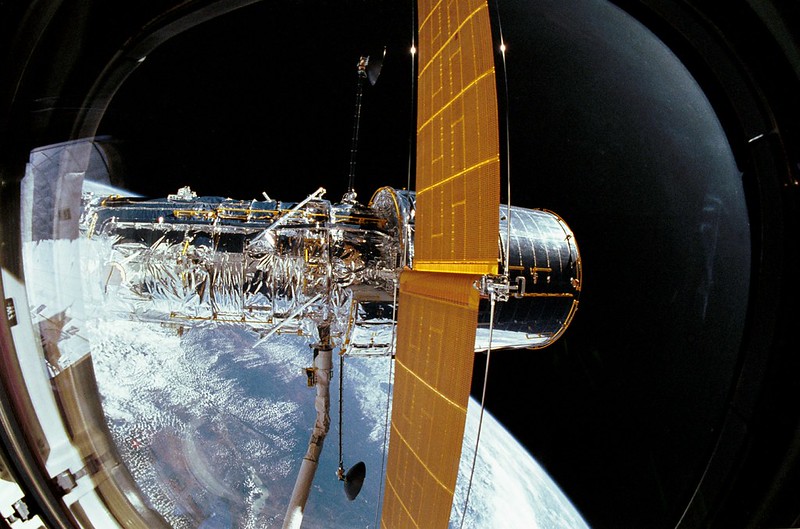
The rapid growth of satellite constellations threatens the operation of space telescopes, according to a study published in Nature. If the planned launches are completed, the Hubble Space Telescope could see more than a third of its images affected by light pollution from these satellites, as they share the same orbital space, while other telescopes would have more than 96% of their images damaged, the authors estimate.

0

Solar panels in space could help Europe achieve its net-zero emissions target

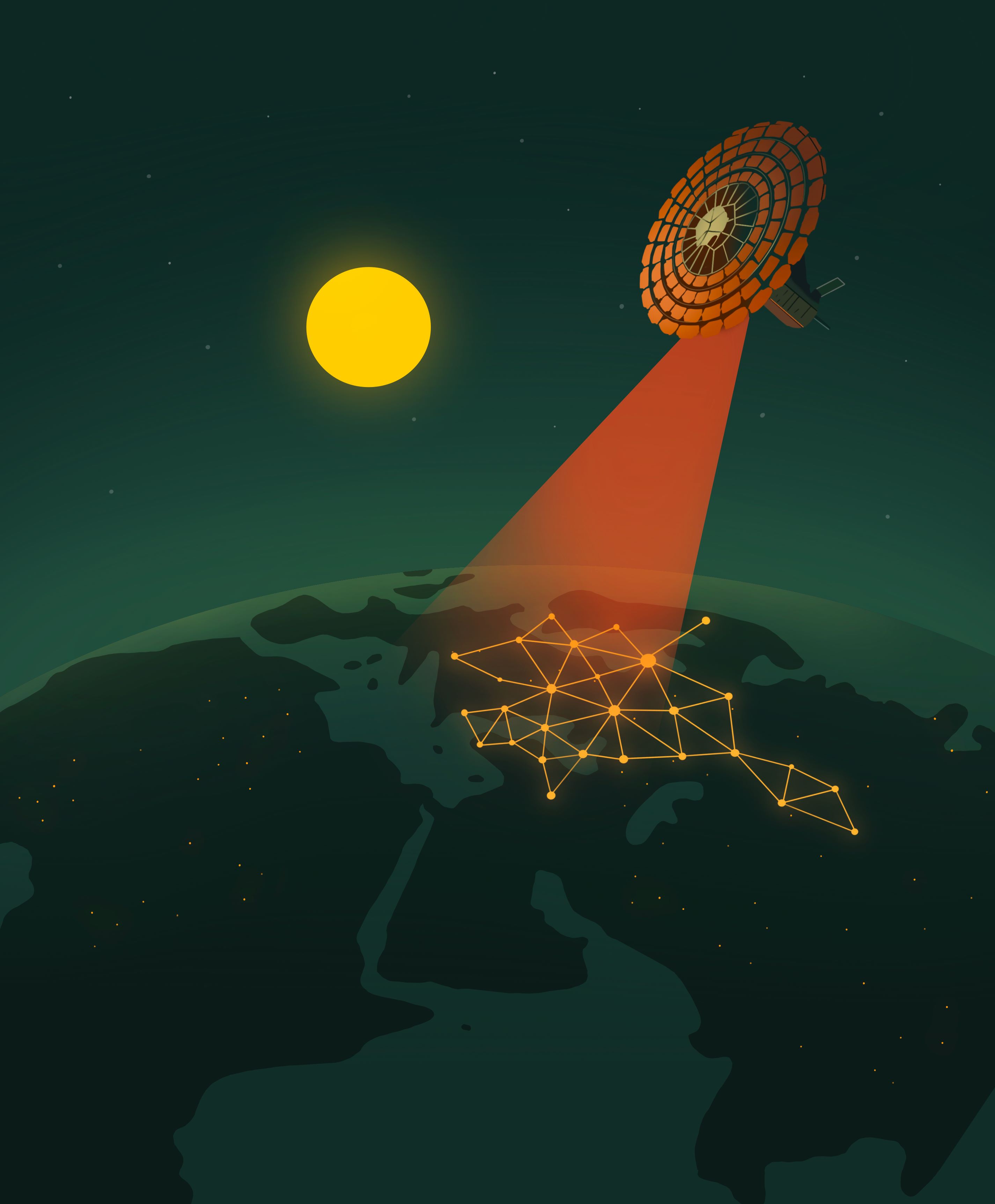
Space-based solar power could provide electricity to support Europe's net-zero emissions target if its cost of supply is reduced sufficiently. This is one of the conclusions of an article published in the journal Joule, by the Cell Press group. Space solar panels would allow continuous capture of solar energy, rather than only when light reaches Earth, reducing the need for wind and solar energy on Earth by 80% in Europe. The researchers estimate that by 2050, space-based solar power could reduce the costs of the European electricity system, although this depends on the development of two NASA space-based solar power designs they have used for their research: the Innovative Heliostat Swarm and the Mature Planar Array.

0

The increase in emissions could halve the maximum limit of satellites that orbit the Earth safely

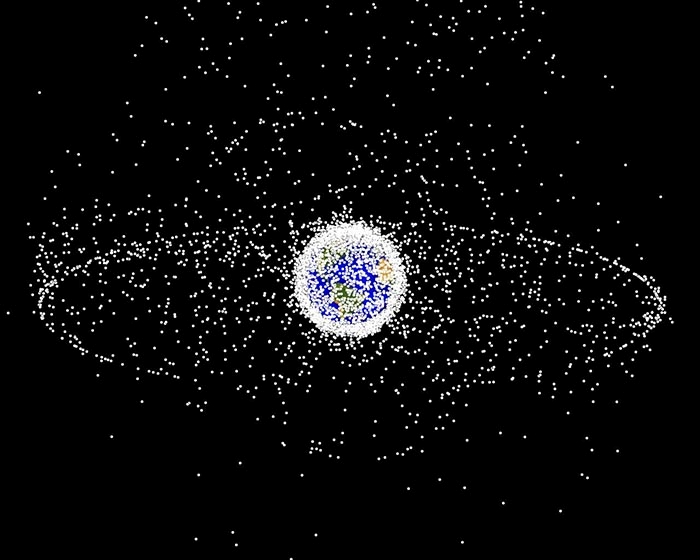
The maximum number of artificial satellites that can safely orbit the Earth could be reduced due to the increase in greenhouse gas emissions of human origin, according to a modelling study. The increase in these gases may result in a reduction in the density of the planet's orbital space. Between 2000 and 2100, the carrying capacity of satellites between 200 and 1,000 kilometres altitude could be reduced by between 50 and 66%, estimates the study published in Nature Sustainability.

0

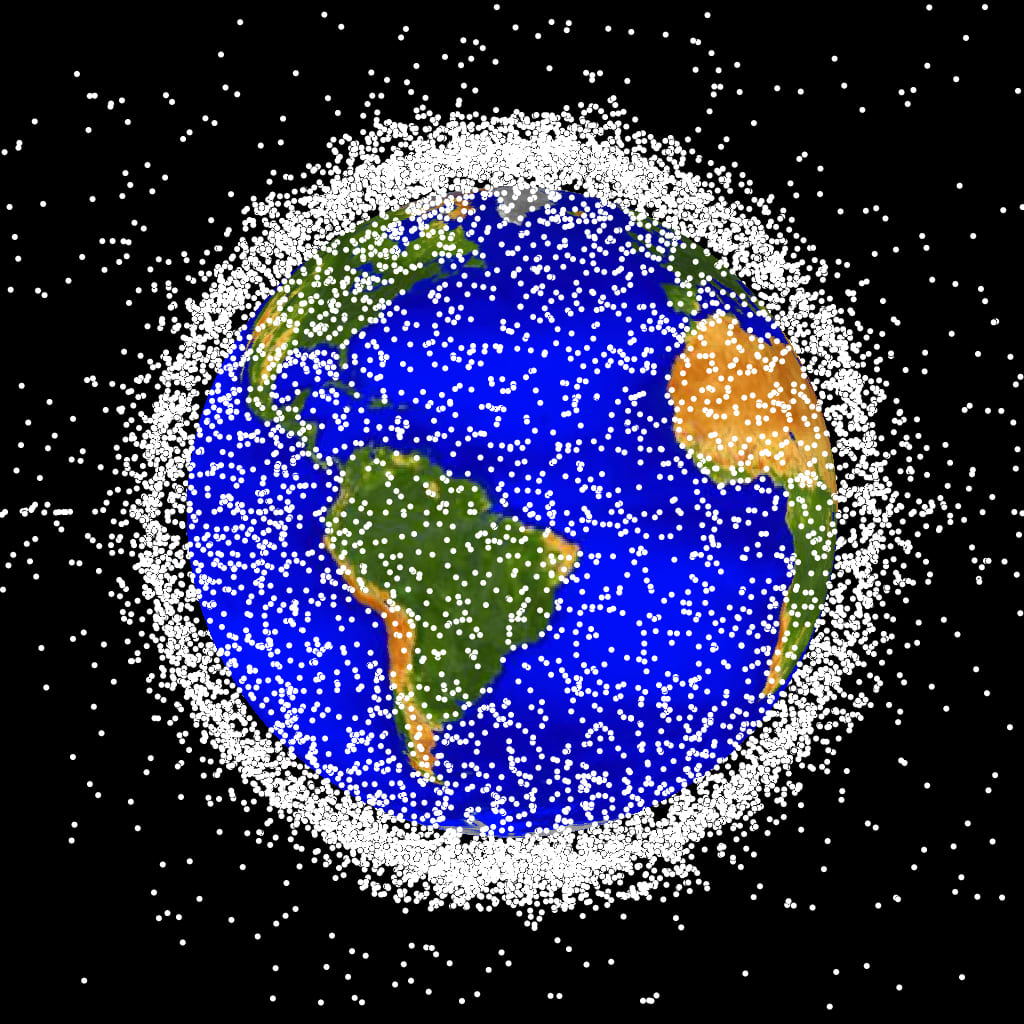
Reactions: two articles denounce the impact of space debris and near-Earth satellites on the night sky

Space debris and satellites orbiting close to Earth have proliferated in recent years. Two articles in Nature Astronomy warn of their impact on light pollution. In the first, a team calculates the increase in the brightness of the night sky and warns of the effect on ecosystems and astronomical observations from Earth. In the second, which is a commentary, the authors call for limiting the production of artificial light and the number of satellites in orbit, calling on the scientific community to take on the big space and big light companies. Both articles are co-signed by Salvador Bará, from the Agrupación Astronómica Coruñesa, and the second by Fabio Falchi, from the University of Santiago de Compostela.

0