Pepe Alcamí

Pepe Alcamí

Pepe Alcamí
Position

IDIBAPS researcher and scientific director of the HIV Unit at Hospital Clínic de Barcelona

A stem cell transplant with only one protective mutation achieves remission of HIV in a cancer patient
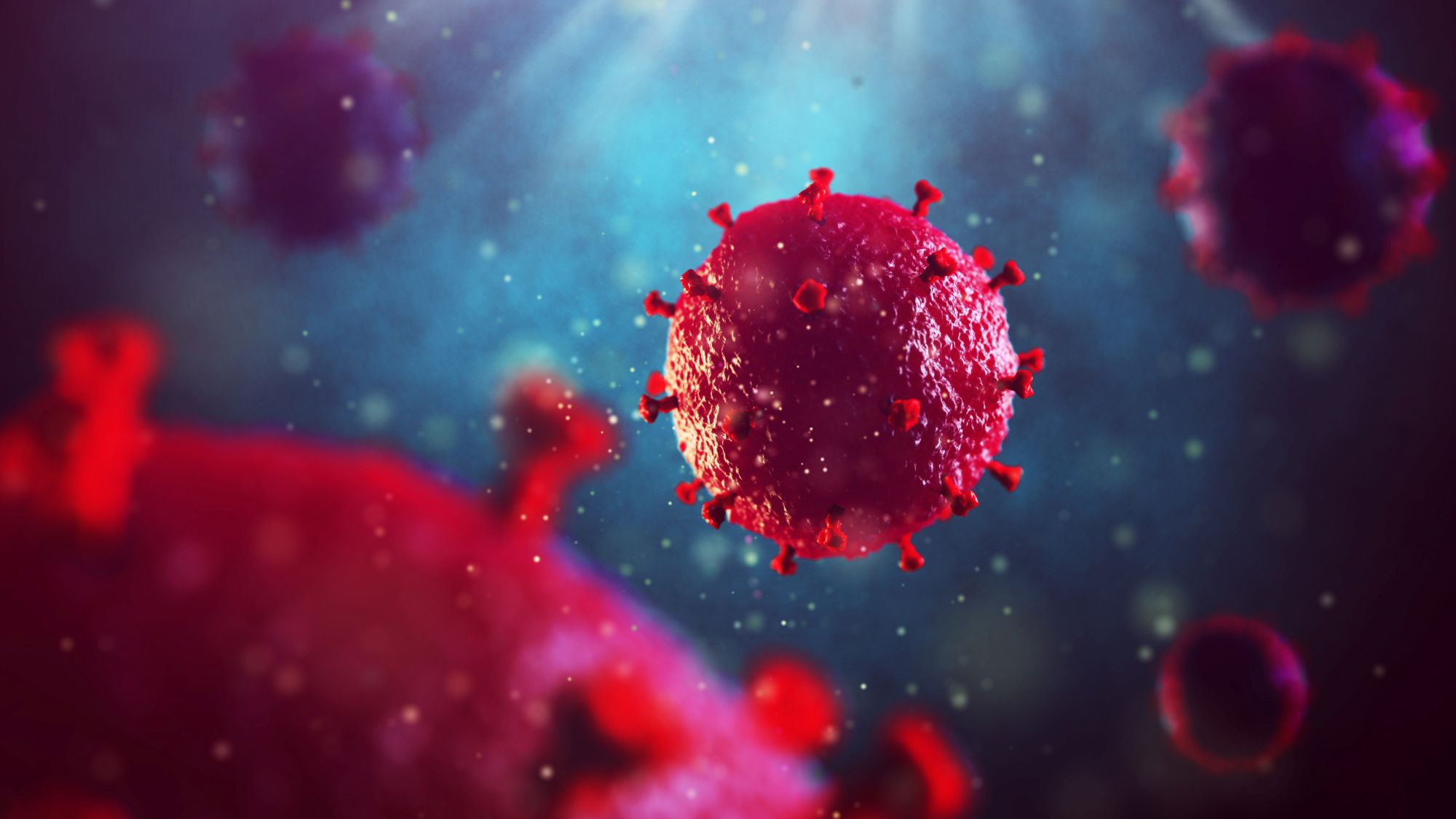
Stem cell transplants in cancer patients have achieved complete remission of HIV in a few cases in people who are also HIV-positive. However, in most cases, the donors were homozygous—with two identical copies of the gene—for a mutation in the CCR5 gene that is considered protective against the virus. A German team has now reported a new case of remission in a 60-year-old man with leukemia—called the “second Berlin patient”—in which the donor was heterozygous (only one of the two copies contained the mutation), which could broaden the alternatives. The results are published in the journal Nature.


0
A study suggests that women's immune systems are better at controlling HIV

Antiretroviral therapy has become a vital treatment for people with HIV. However, it is not a cure, because the virus is able to take refuge and hide in certain blood cells. Now, a study of 65 people—30 women and 35 men—who were undergoing this therapy has found that women's immune systems tend to be more effective at controlling the virus. According to the researchers, who published their findings in the journal Science Translational Medicine, the study ‘reinforces the importance of considering sex in the design and implementation of medical interventions aimed at cure and suggests that women may be better candidates for exploring innate immunity-dependent strategies.’

0

International aid cuts could cause millions of HIV deaths in low- and middle-income countries

Cuts in international HIV funding could cause between 4.4 million and 10.8 million new HIV infections between 2025 and 2030 in 26 low- and middle-income countries. In addition, these funding reductions could result in between 770,000 and 2.9 million HIV-related deaths, according to a study published in The Lancet HIV. Five countries that together provide more than 90% of funding for international HIV interventions - the US, UK, France, Germany and the Netherlands - have announced reductions in funding between now and 2026, the article explains. This includes the immediate suspension, in January 2025, of US funding, which accounted for nearly three-quarters of the total.

0

Further progress towards an effective HIV vaccine through a sequential approach

The Science group is simultaneously publishing four papers (two in the journal Science, one in Science Immunology and one in Science Translational Medicine) that include advances in a sequential vaccination strategy for an effective HIV vaccine. The methods employed aim to obtain broad-spectrum neutralising antibodies and one of the proposals is already in clinical trials. 

0

Reactions: Nobel Prize in Physiology awarded to Karikó and Weissman for their discoveries that led to the development of effective mRNA vaccines against covid-19

The Karolinska Institute has awarded the Nobel Prize in Medicine or Physiology to Katalin Karikó and Drew Weissman for their groundbreaking discoveries, which have radically changed our understanding of how mRNA interacts with our immune system, and made it possible to develop vaccines at unprecedented speed during the covid-19 pandemic.

0

Reaction: First woman reported to be cured of HIV after bone marrow transplant

A study published in the journal Cell shares the case of the "New York patient", a woman with leukaemia and HIV who identifies as "mixed race" and has been free of the virus since 2017. She would be the first woman to be cured of the virus after a bone marrow transplant and there are now four such cases, along with patients in Düsseldorf, Berlin and London. The method involves transplanting HIV-resistant stem cells, this time from umbilical cord blood.

0

Reactions to the follow-up of a third patient cured of HIV after stem cell transplantation to treat leukaemia

A virological and immunological follow-up confirms that a third patient has been cured of HIV nine years after receiving a bone marrow transplant for myeloid leukaemia, and four years after stopping his antiretroviral treatment. This case of the Düsseldorf patient, similar to two previously documented in Berlin and London, is detailed in a Nature Medicine publication by an international consortium coordinated by the IrsiCaixa AIDS Research Institute and the University Medical Center in Utrecht, the Netherlands. The patient was diagnosed with HIV in 2008 and in 2011 with leukaemia, for which he received the transplant in 2013.

0

Reaction to study examining combination vaccines from AstraZeneca, Pfizer and Moderna in Sweden

A study of more than 700,000 people in Sweden analysed the effectiveness of the heterologous schedule, combining the AstraZeneca vaccine with another dose of a messenger RNA vaccine, with the traditional homologous schedule, consisting of two doses of AstraZeneca. The results showed increased protection against SARS-CoV-2 infection when two different vaccines were combined.