covid-19

covid-19

covid-19

The absence of human activity during pandemic lockdowns altered the peaks of a bird species

Restrictions on mobility and activity imposed during the covid-19 pandemic had an impact on the beaks of a species of bird, specifically the dark-eyed junco, which lived in urban areas of Los Angeles (USA). This is shown in a study published in the journal PNAS, which reveals how birds born during these lockdowns had beaks similar to their counterparts in the wild. With the return of human activity, the beak returned to its pre-pandemic shape. The authors argue that this change was mainly due to an adaptation to the food available, as the birds no longer had access to human food waste. 

0

A review identifies what most influences polarization on health issues

A study by the University of Cádiz has identified six factors that drive polarization around health-related issues, for example during crises such as the COVID-19 pandemic: political ideology, misinformation, social media dynamics, trust in institutions and professionals, risk perception, and socioeconomic factors. This review, published in Science Advances, brings together the conclusions of 90 previous studies and analyzes how these determinants exacerbate health inequalities and influence compliance with public health measures.

0

The risk of myocarditis in children vaccinated against COVID-19 between in the United Kingdom was much lower than in those infected

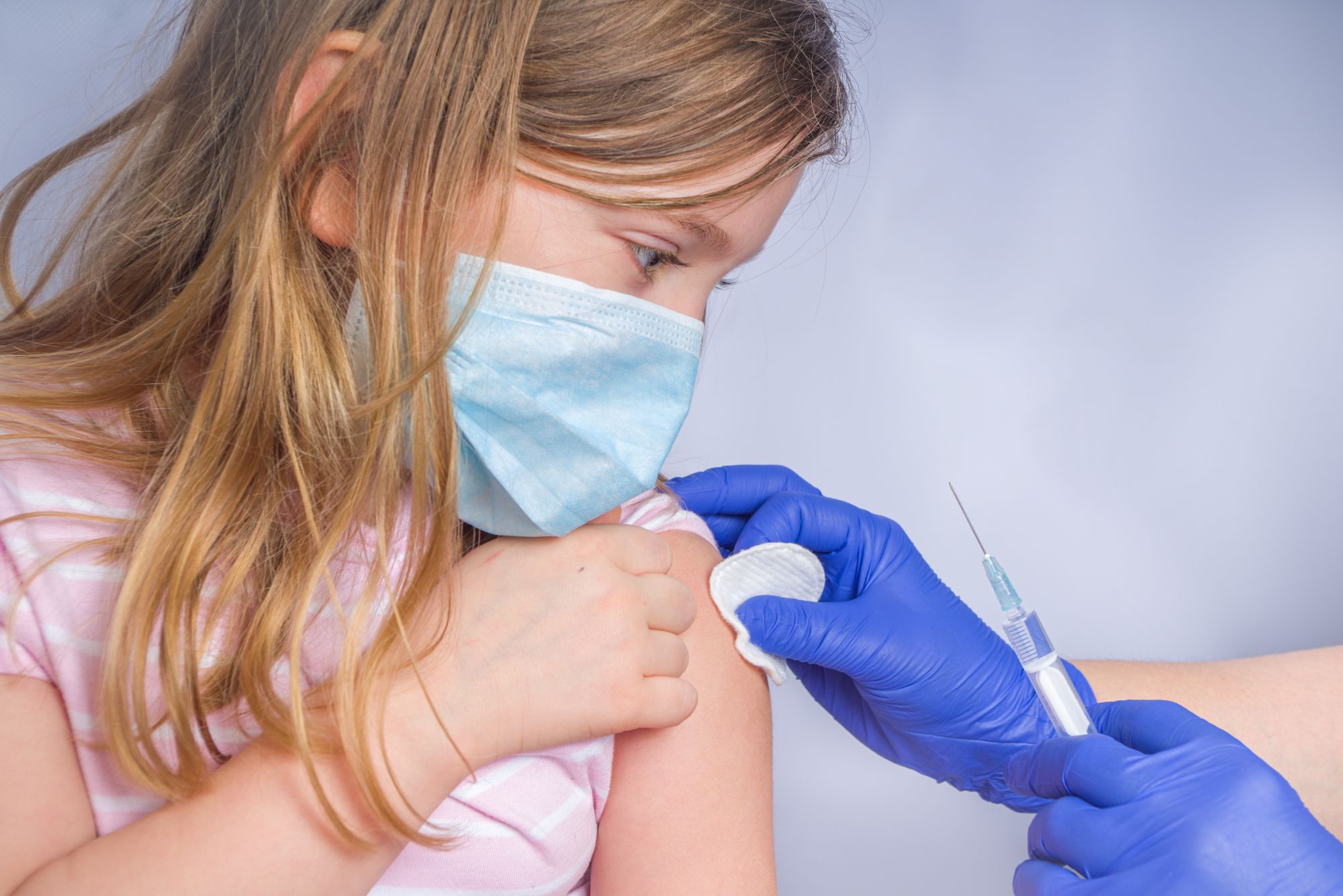
The Pfizer-BioNTech COVID-19 vaccine has been linked to rare cases of heart inflammation in children and young people. The largest study of these risks in children, published in The Lancet Child & Adolescent Health, concluded that receiving the vaccine is associated with a risk of developing myocarditis or pericarditis within six months of 0.85 additional cases per 100,000 vaccinated children; while after COVID-19 infection, the risk is 2.24 additional cases per 100,000. The study used data from 98% of the British population under the age of 18 (almost 14 million) between January 2020 and December 2022.


0

SARS-CoV-2 infection may increase amyloid deposits linked to Alzheimer's disease, according to a study

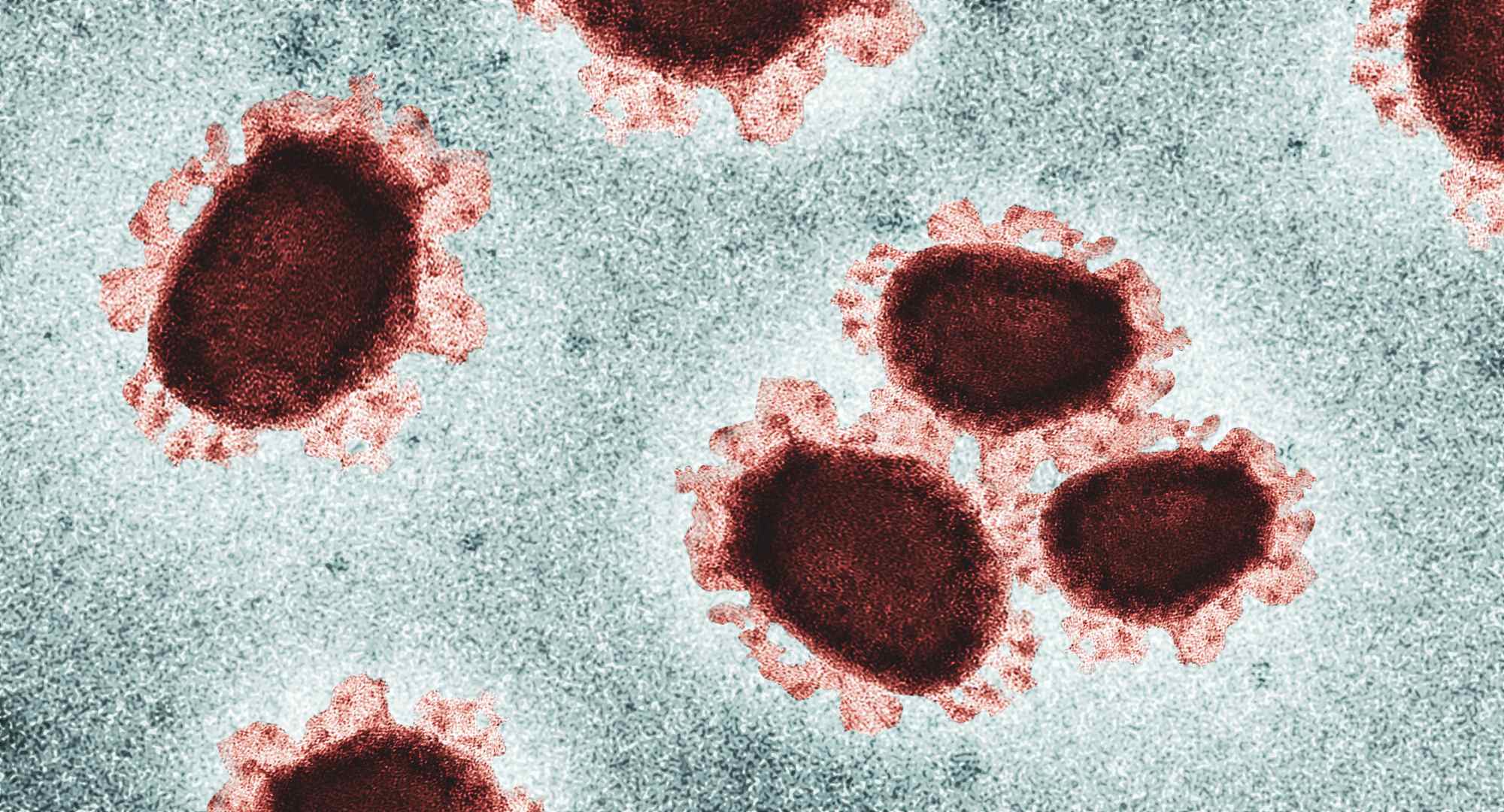
A US team has analysed the presence of beta-amyloid deposits – which are linked to Alzheimer's disease – in the post-mortem retinas of four people with covid-19 and found that they were larger than in four people without covid. In complementary experiments, the SARS-CoV-2 spike protein in retinal organoids produced an increase in deposits, while the use of a drug that blocks the virus from binding to neurons reduced their accumulation. The results are published in the journal Science Advances.

0

Pandemic related isolation accelerated the brain maturation in adolescents, especially in girls

Brain maturation is measured by the thickness of the cortex. It is known that stress accelerates cortical thinning, which is associated with a higher risk of developing neuropsychiatric disorders. A study published in PNAS analyzes MRI data collected from 160 adolescents before COVID-19 and from 130 of them after the measures implemented during the pandemic. The comparison of brain structure before and after reveals accelerated cortical thinning which, measured in terms of equivalent years of brain development, was 4.2 years in girls and 1.4 years in boys.brain maturity


0

Reaction: covid-19 replaced stroke as second leading cause of death globally in 2021

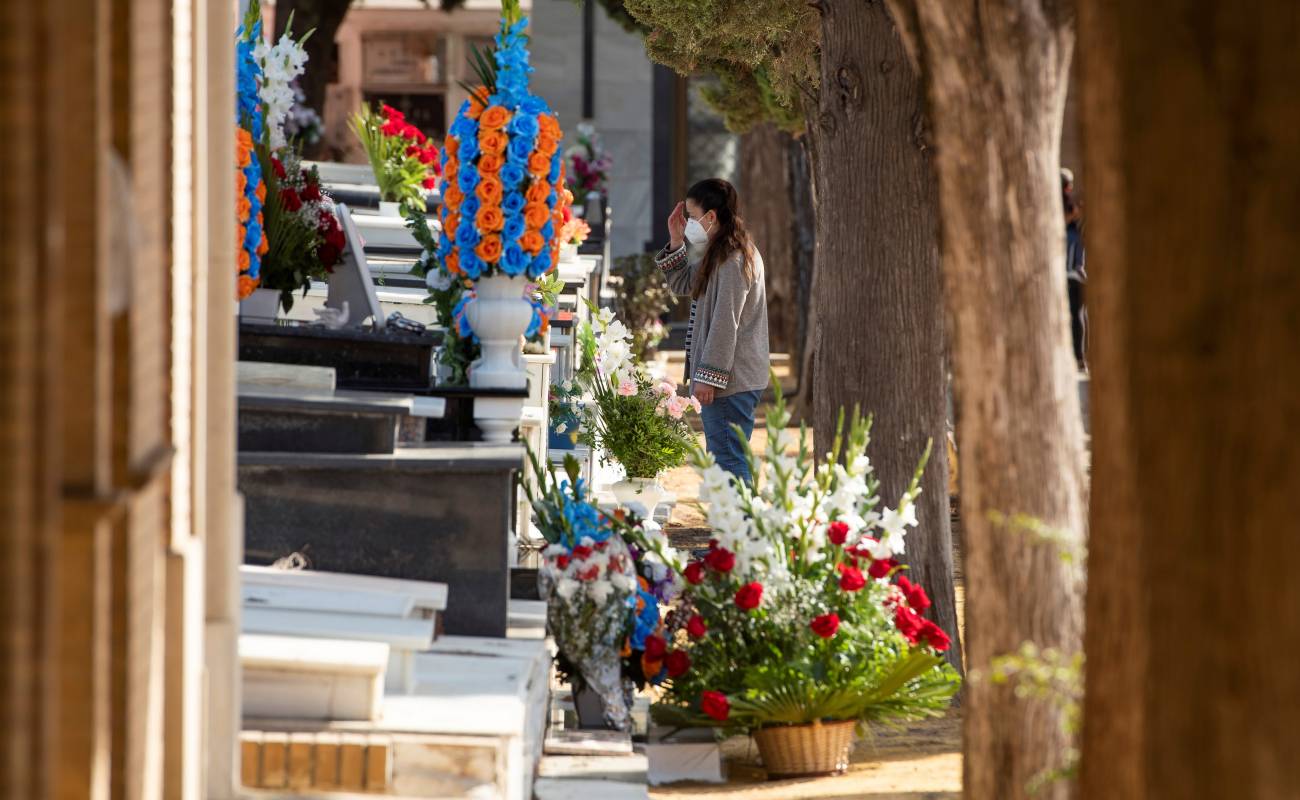
In 2021, covid-19 replaced stroke as the second leading age-standardised cause of death, with 94 deaths per 100,000 people, says a study published in The Lancet. The pandemic changed the ranking of the five leading causes of death that had remained stable since 1990, according to the study, which is based on data from the Global Burden of Diseases, Injuries, and Risk Factors Study. The study found that life expectancy since 1990 increased by 6.2 years, an increase that slowed during the pandemic.  

0

Reactions: possible markers found in the blood of persistent covid patients

A study published in the journal Science has analyzed the set of proteins present in the blood of 113 people with covid-19 and 39 healthy people. According to their results, patients with persistent covid had a higher amount of proteins related to complement activation, a system involved in the inflammatory and immune response. In addition, there was an increase in antibodies against cytomegalovirus and Epstein-Barr virus. According to the authors, "available therapies targeting the terminal complement pathway could offer new treatment strategies for persistent covid."

0