Roberto Rosal

Roberto Rosal

Roberto Rosal
Position

Professor of Chemical Engineering in the Department of Analytical Chemistry, Physical Chemistry and Chemical Engineering at the University of Alcalá

The health impacts related to plastic emissions could double by 2040

A study based on models and data concludes that adverse health effects related to plastic emissions could more than double by 2040 if current practices do not change. The authors note that their model could not assess the potential impacts associated with many chemicals contained in plastics, nor with the microplastics and nanoplastics that form throughout their life cycle, due to a lack of data and “a serious lack of transparency regarding their composition.” The results are published in The Lancet Planetary Health. 

0

A study claims that atmospheric microplastic emissions may be overestimated

A study published in Nature estimates that atmospheric microplastic emissions have been overestimated. The authors compared measurements of atmospheric microplastics from 76 studies conducted between 2014 and 2024 at various locations around the world with model simulations. According to the simulations, atmospheric microplastic concentrations were between 100 and 10,000 times lower than previously estimated.

0

Plastic pollution is an underrecognized threat to health, according to The Lancet.

Ahead of the anticipated conclusion of a United Nations global treaty on plastics, a group of international experts calls for greater attention to health effects when addressing plastic pollution. The work, published in The Lancet, reviews current evidence on how plastics—including microplastics and plastic chemicals—affect health, and announces the launch of a new project to monitor these effects.

0

Evidence on the toxicity of microplastics in the human brain and strategies for their elimination examined

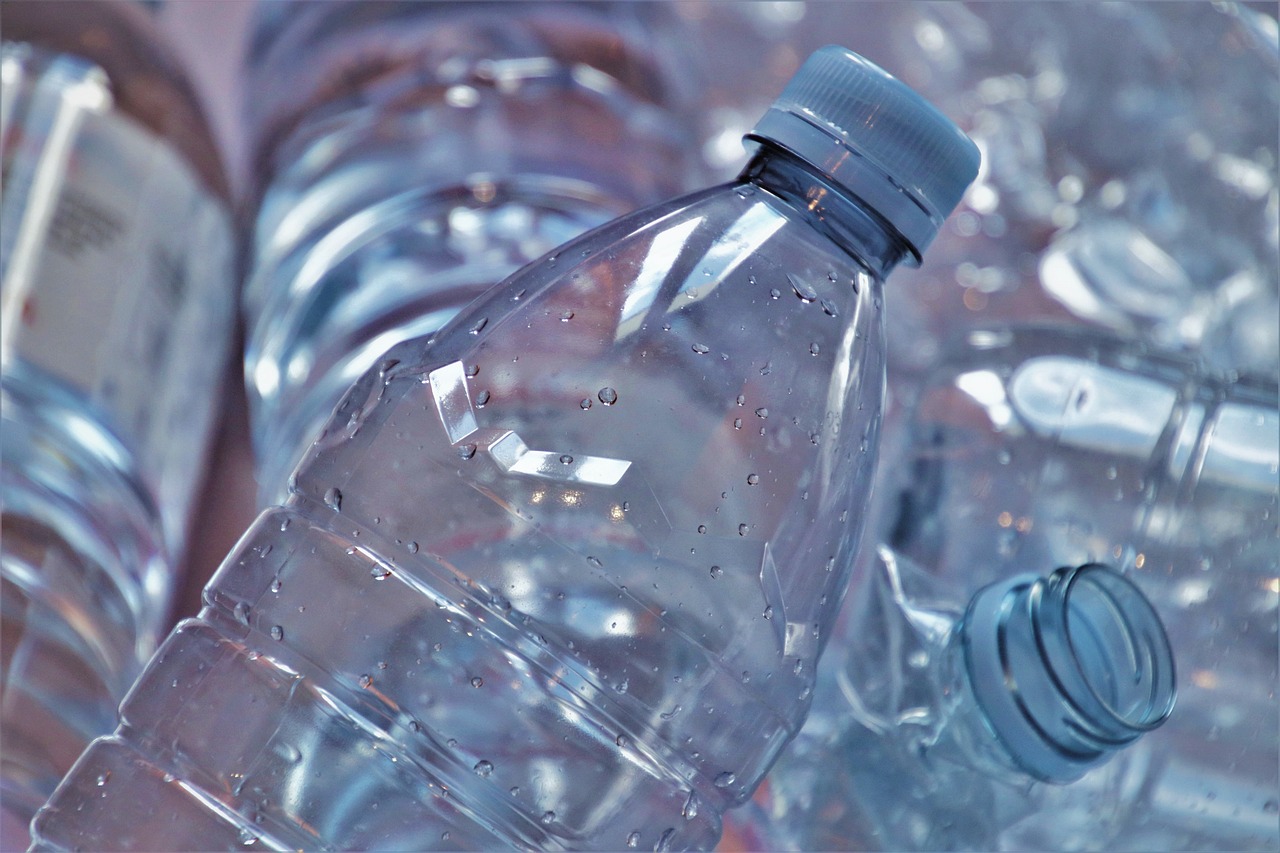
An article reviews evidence on the accumulation of microplastics in human brain tissue recently published in Nature Medicine. The authors highlight practical measures to reduce exposure, noting that switching from bottled water to filtered tap water could reduce microplastic intake from 90,000 to 4,000 particles per year. The paper is a commentary in Brain Medicine. 

0

Reaction: Artificial protein designed to degrade microplastics

Based on a defense protein of the strawberry anemone, researchers from the Barcelona Supercomputing Center, CSIC and the Complutense University of Madrid have designed, through artificial intelligence and the use of supercomputers, an artificial protein capable of degrading PET micro and nanoplastics, such as those used in bottles. According to the authors, its efficiency is between 5 and 10 times higher than that of the proteins currently used and it works at room temperature. The results are published in the journal Nature Catalysis.

0