Yolanda Revilla Novella

Yolanda Revilla Novella

Yolanda Revilla Novella
Position

Head of the African Swine Fever Virus Laboratory at the Severo Ochoa Molecular Biology Center (CBMSO)

Initial genetic analyses of African swine fever viruses in Catalonia suggest that a laboratory leak is ‘highly unlikely’
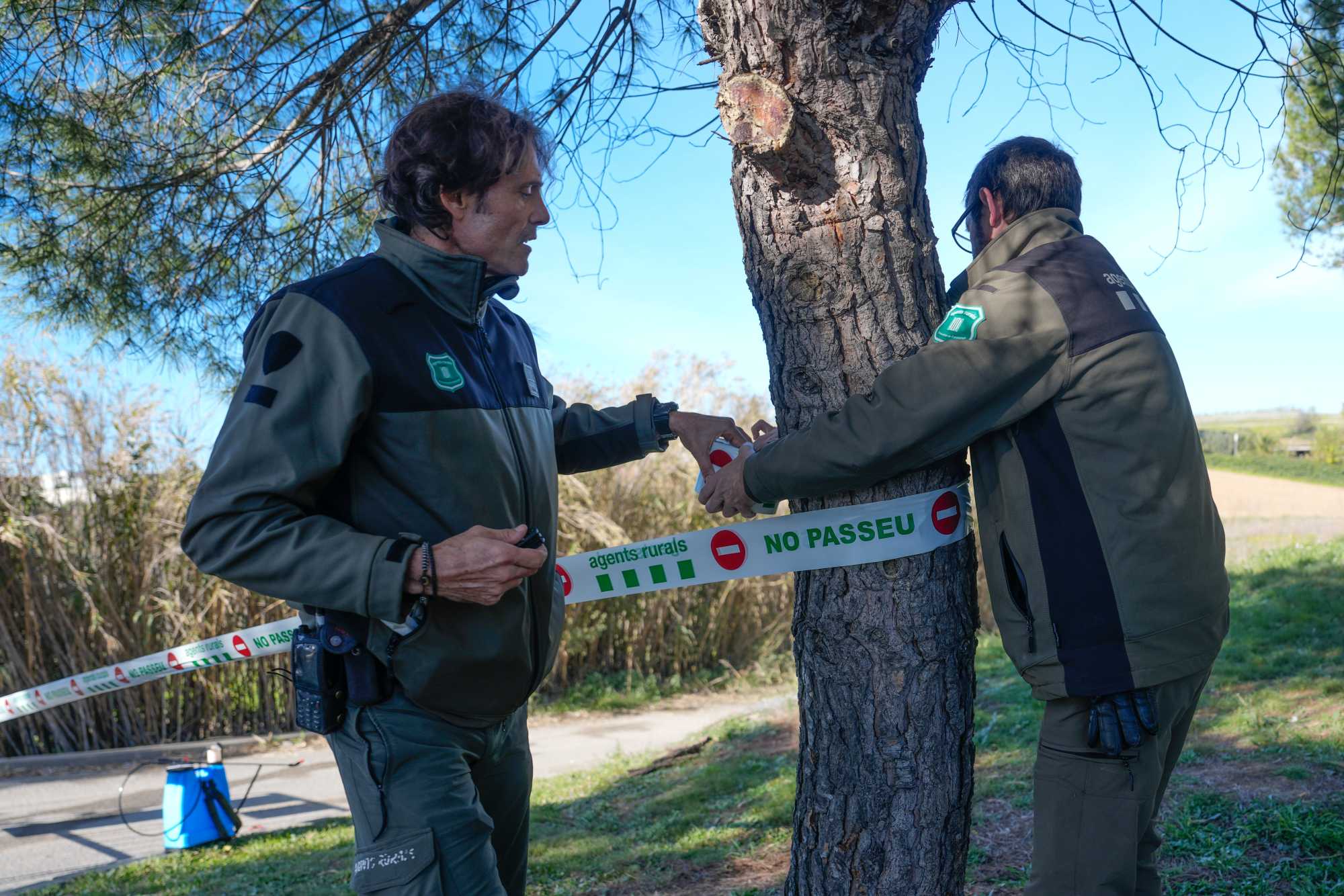
The sequencing of the DNA of the virus found in wild boars infected with African swine fever in Catalonia and its comparison with the DNA of 17 of the 19 samples being investigated at the Animal Health Research Centre (IRTA-CReSA) has revealed that they do not match, according to a press conference held this morning by representatives of the scientific team in charge of the study and the Catalan Regional Ministry of Agriculture, Livestock and Fisheries. They consider the leak from the laboratory to be ‘highly unlikely’, although further studies are still ongoing. The research, led by the IRB, suggests that it could belong to a new strain not described in the scientific literature.


0
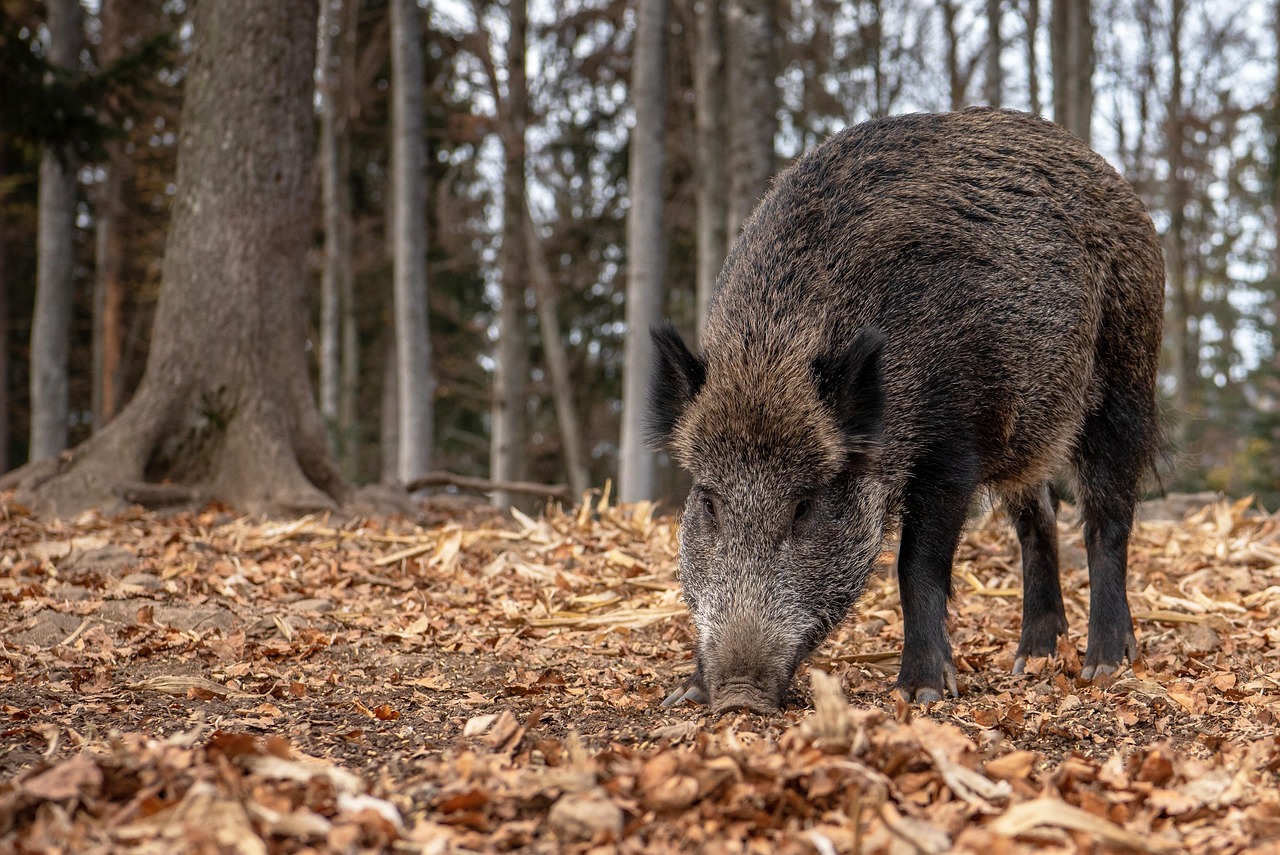
Spain detects two cases of African swine fever in two wild boars in Bellaterra (Barcelona)

The veterinary services of the Catalan Regional Government have notified the Ministry of Agriculture, Fisheries, and Food of the detection of two wild boars positive for African swine fever virus in Bellaterra (Barcelona), where they were found dead on November 26. These cases represent the first detection of the disease in Spain since November 1994, according to the ministry in a press release. African swine fever is considered a Category A disease by the European Union, which means that member states must take measures to control and eradicate it as soon as possible. It is a non-zoonotic disease, meaning that humans are not susceptible to infection either through contact with animals or through the consumption of animal products.

0