CIBERobn
If you are the contact person for this centre and you wish to make any changes, please contact us.
PhD in Pharmacy, Professor of Human Physiology at the University of Navarra, member of the CIBER Physiopathology of Obesity, Carlos III Health Institute and IDISNA (Navarra)
CIBEROBN researcher and professor of preventive medicine at the University of Valencia
Professor Emeritus of Pediatrics at the University of Valencia
Researcher Emeritus at the Research Foundation of the Valencia University General Hospital Consortium
Research group head at CIBERobn
Professor in the Department of Physical Education and Sport at the Faculty of Sports Sciences, Director of the Joint University Institute for Sport and Health (iMUDS) at the University of Granada, and Coordinator of the CIBEROBN Group on Physical Activity and Obesity
Researcher and lecturer in nutrition and public health, Rovira i Virgili University (URV) and the Southern Catalonia Biomedical Research Institute (IRBCatSud), CIBERobn
Co-coordinator of the working group on Nutrition of the Spanish Society of Epidemiology (SEE), Professor of Preventive Medicine and Public Health at the University of Navarra, and member of CIBERobn
Assistant Professor in the Department of Preventive Medicine and Public Health at the University of Valencia, and researcher at the CIBER Centre for the Physiopathology of Obesity and Nutrition (CIBEROBN) at the Carlos III Institute

Switching some of the world's red meat consumption to forage fish - such as sardines, herring or anchovies - would reduce the number of deaths by between 500,000 and 750,000 by 2050, according to a study published in BMJ Global Health. The authors used data projections for that year for both red meat consumption and forage fish catches in 137 countries, substituting one for the other without exceeding the supply limit for the latter. The research estimates that sardines, herring and anchovies could replace 8% of the world's red meat, which would also serve to reduce the prevalence of diet-related diseases.
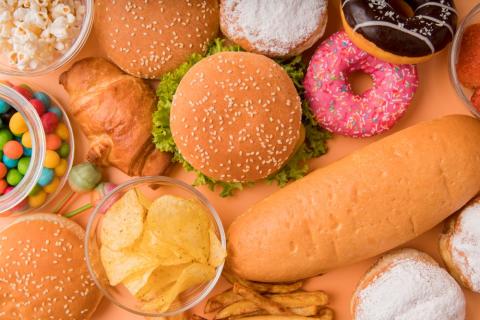
Eating more ultra-processed foods is linked to a higher risk of health problems, according to an umbrella review of 45 previous meta-analyses, involving almost 10 million people in total. The research, published in The BMJ, finds direct associations between exposure to ultra-processed foods and 32 health parameters. The strongest evidence links this exposure to cardiometabolic health problems, mental disorders and overall mortality.

A US research team has identified several genes that may be associated with a strict vegetarian diet. Some of these genes have "important roles in lipid metabolism and brain function", according to the paper, which suggests that these differences could explain the ability to subsist on a vegetarian diet in those who carry these genes. The study, published in the journal PLoS ONE, used data from the UK Biobank to compare a group of more than 5,000 vegetarians with a group of more than 320,000 non-vegetarians.

A review of studies of more than 700,000 women has estimated that those who follow a Mediterranean diet faithfully have about a 25% lower risk of cardiovascular disease and death. This effect is greater than had been found in other studies, many of which included a majority of men and did not differentiate results by sex. According to the authors, the study underscores the need for this type of targeted analysis. The results are published in the journal Heart.