
Miguel Hernandez University of Elche
If you are the contact person for this centre and you wish to make any changes, please contact us.
Nutritionist and Doctor of Public Health from Miguel Hernández University in Elche. Member of the Sports Nutrition Research Group at Alfonso X El Sabio University.
Associate Professor in the Department of Health Psychology at Miguel Hernández University of Elche and researcher at the Center for Research on Childhood and Adolescence
Director of the Nutrition and Bromatology research group.
Full professor at the Miguel Hernández University, specialising in Pharmacology and pain, coordinator of the SED Bioethics working group and coordinator of the Neuropharmacology applied to pain research group of the ISABIAL Foundation
Director of the Institute of Neurosciences, a joint centre of the Miguel Hernández University of Elche (UMH) and the CSIC
Professor and vice-director of the Institute for Research, Development and Innovation in Health Biotechnology of Elche (IDiBE) of the Miguel Hernández University
Researcher in the Biomedical Neuroengineering group at the Miguel Hernández University (UMH) of Elche
Director of the Institute of Bioengineering at the Miguel Hernandez University of Elche and director of the Biomedical Neuroengineering group at the Center for Biomedical Research Network on Bioengineering, Biomaterials and Nanomedicine (CIBER-BBN)
Postdoctoral Researcher, Department of Applied Biology.
Professor of Nutrition at Miguel Hernández University in Elche.
Research scientist at the Institute of Neurosciences in Alicante (CSIC-UMH), head of the Molecular Neurogenetics group
Professor of Preventive Medicine and Public Health at the Miguel Hernández University and director of the Global Health research group.
CSIC Group Leader at the Institute of Neurosciences (CSIC-UMH)
Professor of Preventive Medicine and Public Health and Director of the Unit of Epidemiology of Nutrition at the University Miguel Hernández
CSIC research professor (honorary) at the Instituto de Neurociencias de Alicante (CSIC-UMH) and member of the Royal Academy of Sciences of Spain
Researcher at the Department of Plant Production and Microbiology, Miguel Hernández University of Elche
Professor of Social Psychology, Department of Health Psychology
Researcher at the Department of Applied Biology.
Research Professor at CSIC at the Institute of Neurosciences (Alicante)
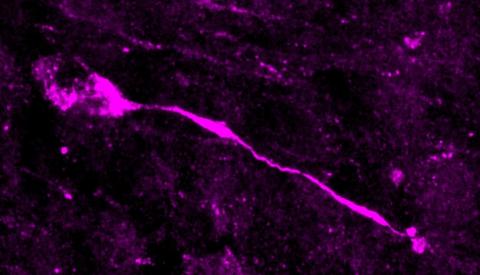
A single amino acid change in a protein (TKTL1) may have given modern humans an advantage over their older contemporaries, such as Neanderthals, by allowing greater neocortical neuronal formation, according to research published in Science.

The draft Animal Protection Bill has just been approved by the Council of Ministers, awaiting ratification in Congress. The authors consider that the text includes improvements compared to its first version, but consider that it still contains negative aspects.
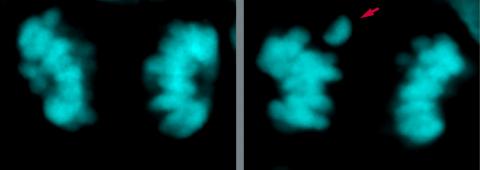
Compared to Neanderthals and apes, modern humans experience fewer chromosomal inheritance errors when their brains develop, according to a new study published in Science Advances.

Research conducted on more than 25,800 healthy adults aged 50 and older in the United States concludes that taking vitamin D supplements does not reduce the risk of bone fractures. The study is published in The New England Journal of Medicine.

The journal JAMA today publishes several articles, along with an editorial, in which the US Preventive Services Task Force recommends against the use of vitamin supplements to prevent cancers and cardiovascular disease.

Nearly three and a half million Ukrainians have fled their country; half of them are children. Ensuring their physical well-being is a priority, but we cannot forget the effect that war can have on children's mental health.